


Description
Namibian pop is often bright, beat-driven music, built for movement as much as for catchy vocal hooks. The name is mapped by Every Noise at Once and used for Spotify’s playlist “The Sound of Namibian Pop”, though published descriptions are scarce.
Programmed drums and bass give the music a steady, punchy foundation. Some tracks bounce along at a mid-tempo pace with syncopated rhythms; others push toward faster dance music with a kick on every beat. Synthesizer chords and repeating harmonic loops fill out the sound, while clean, interlocking electric guitar lines add a bright melodic edge to some songs. The production is generally polished, with tight low end, spacious effects and voices placed prominently in the mix.
Singers often alternate melody with rhythmic chanting or rapping, supported by layered harmonies, ad-libs or answering phrases. Some vocals are treated with pitch effects. English appears alongside other languages, and song titles include both English and Afrikaans. The music ranges from upbeat dance-pop close to afrobeats and amapiano to songs with hip-hop and R&B inflections. Much of the playlist comes from the early 2020s.
Based on: Every Noise at Once, Spotify's genre tags and playlist
Build the groove
Start with programmed drums and a firm bass line. For a bouncy mid-tempo track, use syncopated percussion, crisp hi-hats or shakers, and a snare or clap. For a faster dance track, try a kick on every beat. Draw on the melodic dance rhythms of afrobeats or the house-oriented feel of amapiano.
Add melody and vocals
Loop a short chord progression with synthesizer pads or chords. Add a bright, clean guitar figure or a plucked synth melody, leaving space for a strong vocal hook. Alternate sung lines with rhythmic chants or rap, and layer backing harmonies, ad-libs or call-and-response phrases.
Polish the mix
Keep the drums and bass tight, bring the lead voice forward, and use reverb or delay for space. Pitch effects can give the vocal an additional modern sheen.

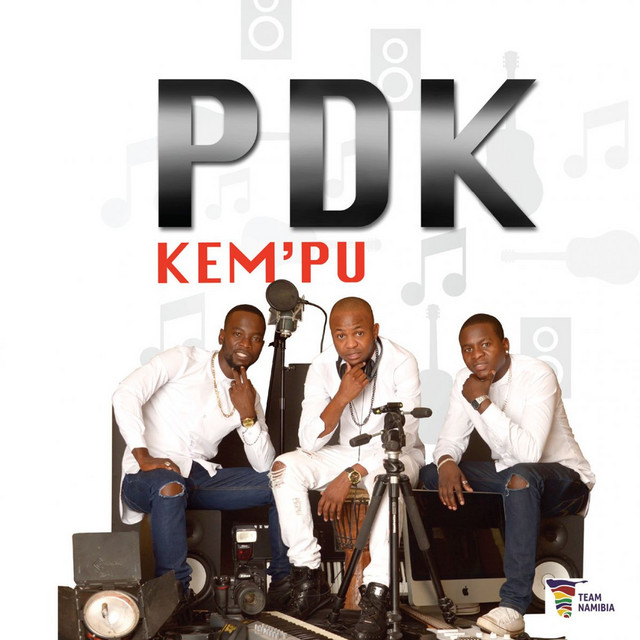
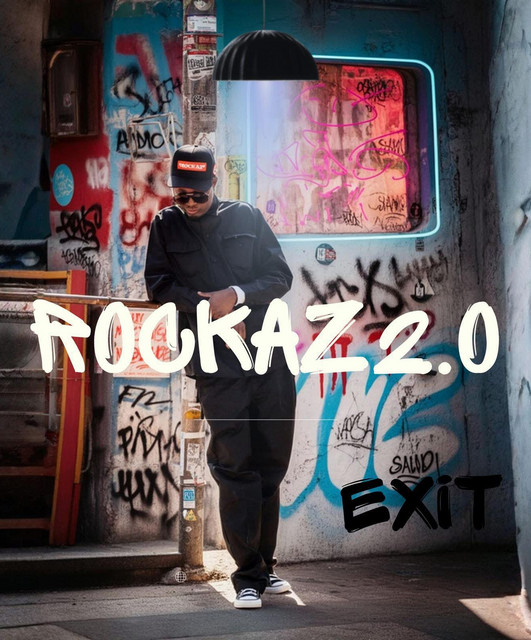
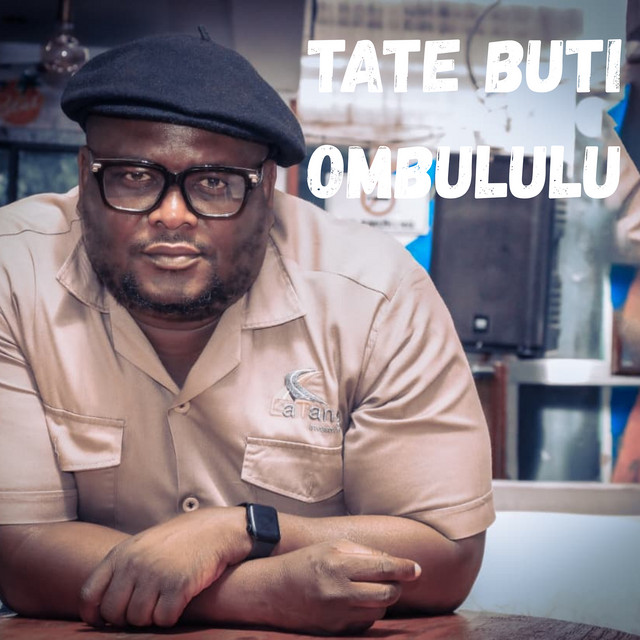
Top albums



Best playlists

Influenced by

Other similar genres
Genres sharing the most artists with Namibian Pop

