Description
Nordic classical piano is the body of solo- and piano-centered concert music created by composers from the Nordic region (Norway, Sweden, Finland, Denmark, and Iceland), characterized by luminous textures, folk-tinged modality, and a strong sense of nature and landscape.
Rooted in late-Romantic lyric miniatures and national styles that flourished in the late 19th century, it blends character-piece intimacy with distinctive dance rhythms (polska, halling) and modal colors (Dorian, Mixolydian). Typical writing favors cantabile melody, bell-like voicings, pedal-blurred sonorities, and transparent counterpoint.
Across the 20th century the idiom absorbed elements of neoclassicism and modernism while retaining a Nordic clarity of line and atmospheric restraint. The result ranges from songful, nature-evoking miniatures to architecturally taut sonatas and concertos with a cool, granite-like grandeur.
More on: Every Noise at Once
History
Antecedents and Roots (mid–late 19th century)
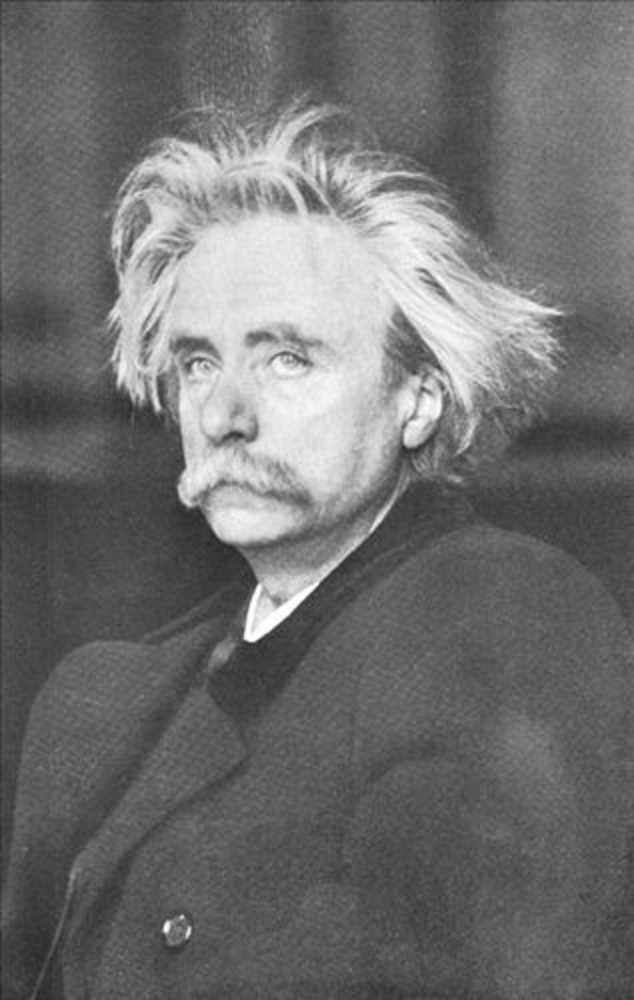
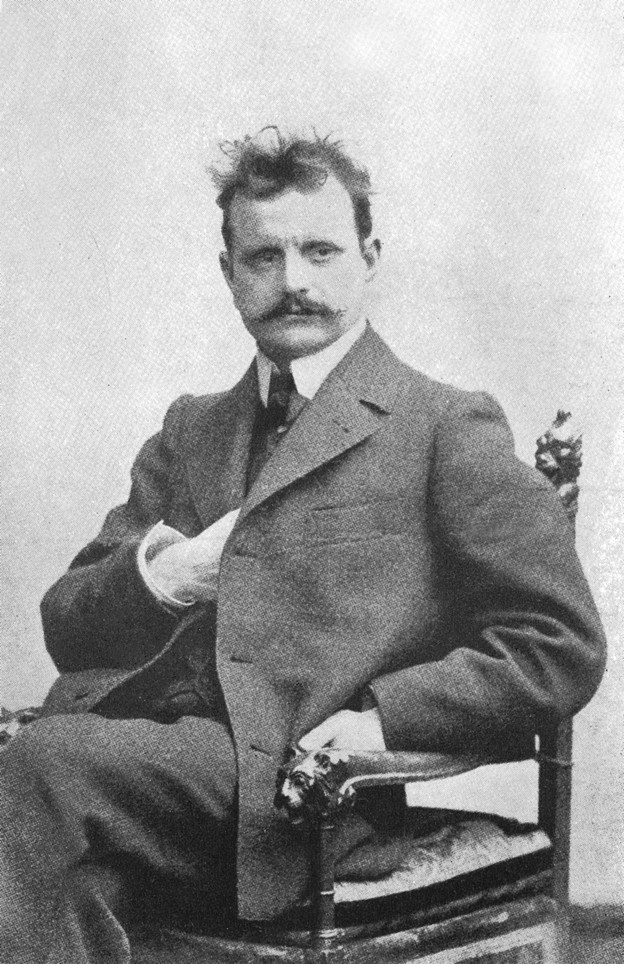
The idiom crystallized in the later Romantic era as Nordic composers sought distinct national voices at the keyboard. In Norway, Edvard Grieg’s lyrical character pieces helped define a concise, folk-inflected piano language, while Agathe Backer Grøndahl enriched the salon and concert repertoire with refined miniatures. In Sweden, Wilhelm Stenhammar and Wilhelm Peterson‑Berger cultivated songful, harmonically clear writing; in Denmark, Carl Nielsen’s piano music brought muscular counterpoint and chaconne craft; in Finland, Jean Sibelius contributed atmospheric shorter works alongside his orchestral legacy. Folk dance rhythms (polska, halling), Hardanger-fiddle drones, and modal turns entered art-music syntax, marrying national color to Romantic expressivity.
Early 20th Century Expansion
Around 1900–1930, Nordic piano writing broadened stylistically. While late-Romantic idioms persisted, composers experimented with neoclassical transparency and modern harmonic language, yet often preserved the region’s trademark clarity and nature imagery. Pianist-composers and pedagogues reinforced a tradition of finely etched miniatures and recital pieces that balanced intimacy and rigor.
Post‑war to Contemporary Currents
After 1945, a spectrum emerged—from cool, neoclassic clarity to rugged, modern textures and, later, spectral colorations. Finnish voices (e.g., Rautavaara) projected orchestral imagination onto the keyboard through tolling bell harmonies, chant-like themes, and spacious resonance. Across the region, composers continued to fuse folk modality, austere beauty, and structural discipline, influencing filmic and ambient-classical aesthetics.
Idiomatic Traits
Common fingerprints include: modal mixture and pentatonic inflections; lyrical, speech-like phrasing; dance-derived meters and off-beat accents; drone tones and open fifths; pedal-crafted resonance suggesting bells, winds, or water; and evocative titles that frame nature scenes or poetic moods. Forms range from brief character pieces and suites to large-scale sonatas and concertos, all typically favoring clarity, contour, and atmosphere over excessive ornament.
Tonal Language and Harmony
• Favor modal colors (Dorian, Mixolydian) and pentatonic or folk-like scalar turns; mix major/minor with modal mixture for bittersweet hues.
• Use open fifths, drones, and pedal points to evoke Hardanger-fiddle or kantele resonance; let low-register pedals suggest distant bells or landscape “ground.”
• Balance diatonic clarity with gentle chromatic sidesteps; cadences need not always resolve fully—leave a Nordic, luminous ambiguity.
Rhythm and Texture
• Draw on dance rhythms (polska in lilting triple with uneven subdivisions; halling in strong duple with accented upbeats). Keep grooves implied rather than overtly percussive.
• Textures should be transparent: cantabile melody over lightly arpeggiated or broken-chord accompaniments; alternate bell-chord tolling with singing inner voices.
• Exploit sustained pedaling for color, then clear it for granite-like clarity at climaxes. Half-pedal and feathered changes help blend landscapes of sound.
Melody and Form
• Compose concise character pieces with evocative titles (e.g., nature images, folk scenes). Aim for memorable, speech-like melodies shaped by breath and contour.
• For larger forms (sonata or concerto movements), anchor sections with recurring motives; vary texture (from murmuring ostinati to stark chorales) to trace an arc.
Articulation and Color
• Alternate legato cantabile with crisp, folk‑dance articulations; let accents feel sprung, not heavy. Use una corda for veiled timbres.
• Register painting: high treble for icy luminescence, middle register for song, dark bass for earth and sea. Deploy “bell” sonorities via rolled chords and spaced voicings.
Orchestral Transfer (if concerto writing)
• Give the piano a lyrical, clearly profiled theme; let the orchestra supply Nordic color (winds, muted strings, horn chorales). Keep piano textures lucid so folk-modal harmony shines.

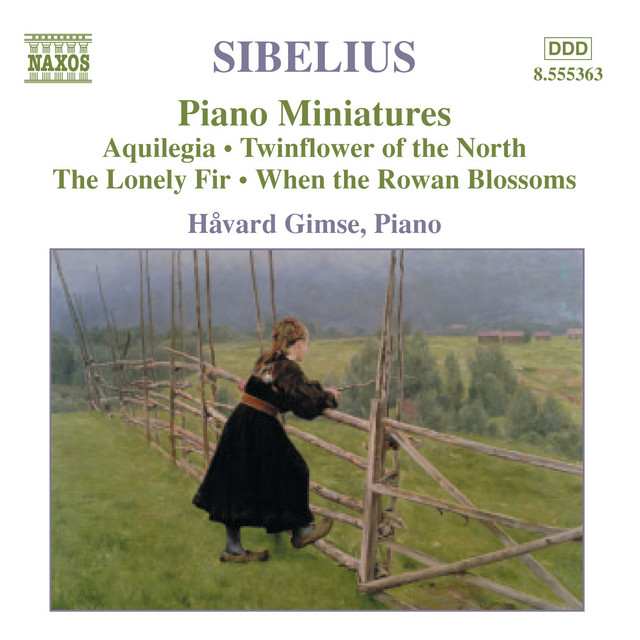
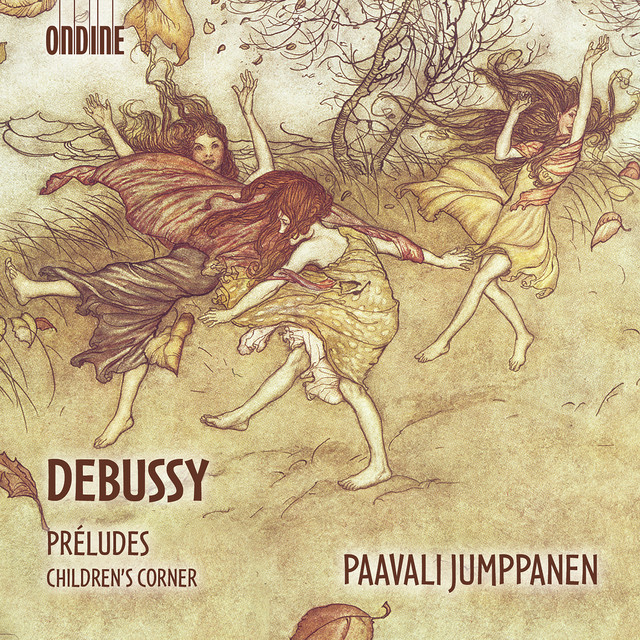
Top albums


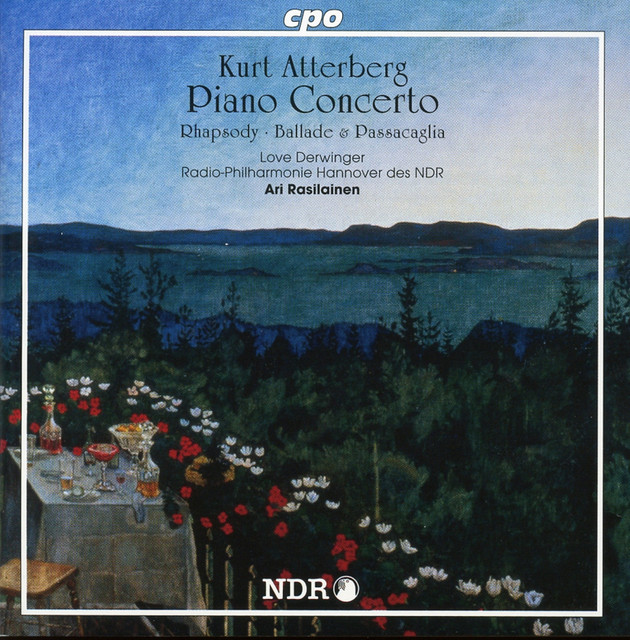
Best playlists

Influenced by


Has influenced



Other similar genres
Genres sharing the most artists with Nordic Classical Piano