Description
Nova vanguarda paulistana was an independent music scene that emerged around São Paulo’s alternative music community in the late 2000s and early 2010s. Rather than a single style, it brought together artists working across MPB, samba and experimental rock, with a shared interest in renewing Brazilian popular music through experimentation.
Its musicians drew on the earlier Vanguarda paulista as well as sources ranging from afoxé and samba-choro to rock and avant-garde jazz. Some participants regarded contemporary samba and MPB as overly dependent on repeated formulas; their response was to take ideas from different musical contexts and refashion them. Internet distribution helped independent artists circulate their work.
Based on: Rate Your Music
More on: Wikidata

Episódio 3 - A vanguarda paulista e a new wave da Gang 90 | BRock | Alta Fidelidade
Alta Fidelidade

Extra 3 - Lira Paulistana e a Vanguarda Paulista - São Paulo
lirapaulistana

Laura-Finocchiaro_na_Lira-Paulistana (copia full)_longa
Laura Finocchiaro

Um Dedo de Prosa - Riba de Castro - Lira Paulistana e a Vanguarda Paulista
Liésio Pereira - Trabalhos
History
Formation
The scene emerged in São Paulo in the late 2000s and early 2010s, as internet access was becoming more widespread in Brazil. Some artists in the city’s alternative scene saw samba and MPB as having become repetitive and looked to the experimental legacy of Vanguarda paulista, particularly Itamar Assumpção and Rumo.
Groups and independent production
Among the musicians associated with the scene were Juçara Marçal, Kiko Dinucci and Thiago França, members of Metá Metá. Dinucci also formed Passo Torto with Romulo Fróes, Rodrigo Campos and Marcelo Cabral. YB Music played a prominent role in production and dissemination, while several artists made albums available free online.
Wider reach
The albums A mulher do fim do mundo and Besta fera helped popularize the scene in Brazil and internationally. MetaL MetaL subsequently gained recognition as a classic. The scene also came to include artists from outside São Paulo, including Ava Rocha, Jadsa, Negro Leo and dadá Joãozinho, suggesting a movement with a broader Brazilian reach.
Start from Brazilian popular music
Work in the spirit of the scene by using samba or MPB as a starting point rather than treating either as a fixed formula. Explore ideas associated with afoxé or samba-choro, for example, and consider how they might be renewed in a different musical setting.
Combine and recontextualize
Bring material from Brazilian popular traditions into dialogue with experimental rock, art rock, jazz-rock, noise rock or avant-garde jazz. Rather than simply moving from one established style to another, take an idea out of its usual context and reshape it within the piece. The aim is an exploratory meeting of existing genres, not a prescribed sound or a uniform set of rules.

Top albums


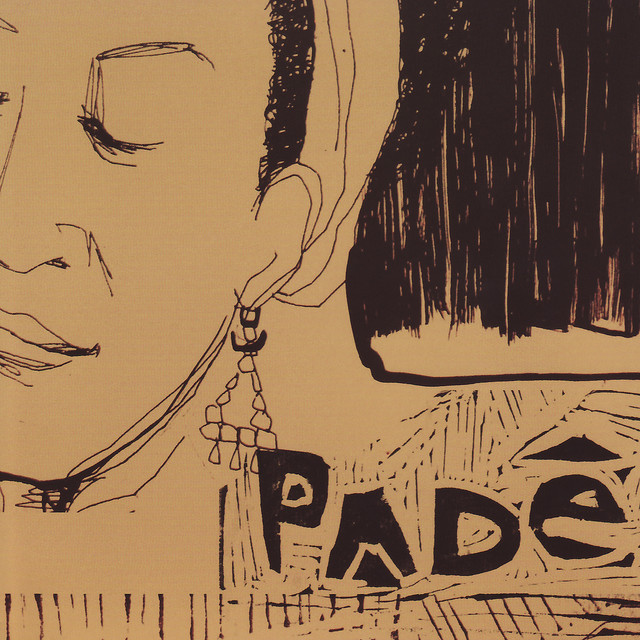
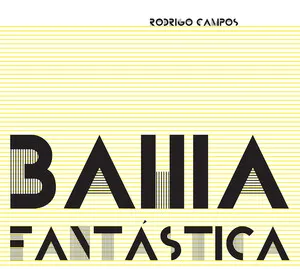
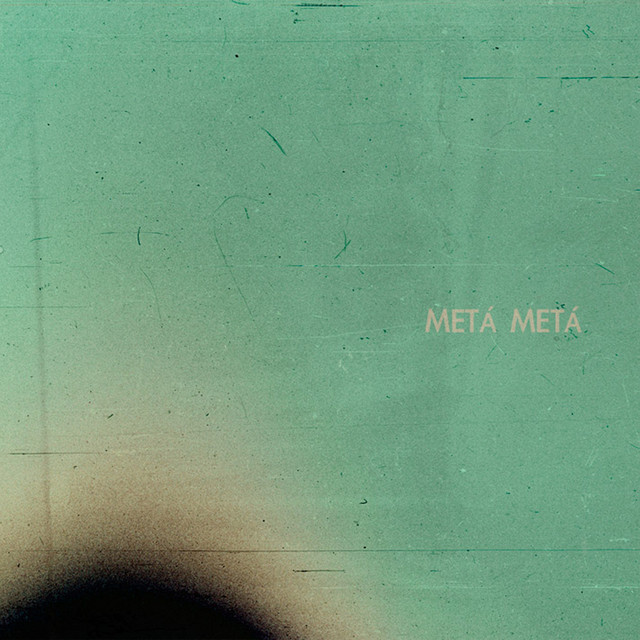
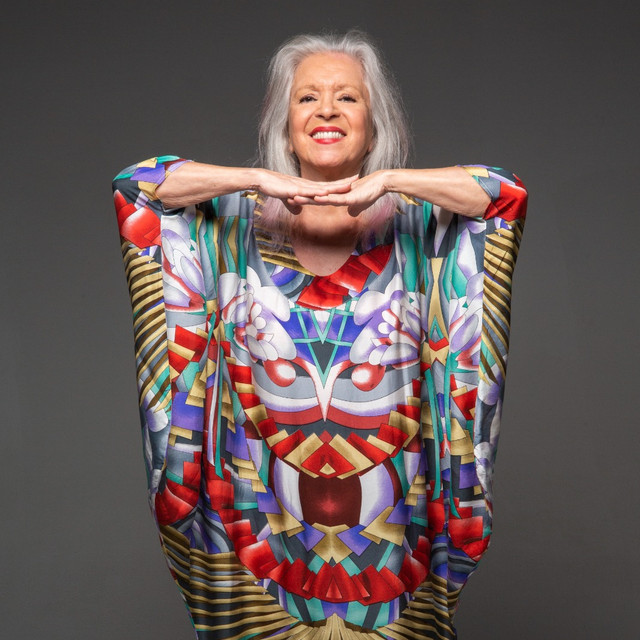
Best playlists
Influenced by





Other similar genres
Genres sharing the most artists with Nova Vanguarda Paulistana