


Description
Warm, expressive Spanish-language voices and plucked strings are at the heart of nueva trova chilena. The name is used by Every Noise at Once and a Sounds of Spotify playlist, though published writing about it is scarce. Acoustic guitar often carries the rhythm through fingerpicking, arpeggios or syncopated strumming, with tempos ranging from slow and reflective to lively and driving.
The music is close to trova and nueva trova, traditions of lyric-centered songwriting in which a voice and guitar can hold the foreground. Arrangements range from sparse acoustic folk to fuller folk-rock textures. Some songs add bass or percussion, while others leave the guitar and voice largely exposed; backing voices and harmonies also appear. Melodies tend to be lyrical and smooth, set against both major- and minor-key harmony. The production often keeps the voice close and clear, with a natural, intimate feel.
The predominantly Spanish song titles suggest subjects ranging from love and everyday life to nature and social injustice. The playlist’s releases are mostly from the 2010s.
Based on: Every Noise at Once, Spotify's genre tags and playlist

Violeta Parra "Gracias a la vida"
"La Pichanga Música Chilena"

Canción ★ Nacional. La Nueva Canción Chilena - CANAL 13 CHILE 2005/2006
TomahawkNoticias
Voice and song
Start with a lyric-centered melody in the spirit of trova or nueva trova. Sing with a warm, direct delivery, and consider adding a close harmony or a lightly doubled vocal on the refrain.
Guitar and rhythm
Build the accompaniment around acoustic guitar: alternate fingerpicked arpeggios with syncopated strumming. Try a gentle triple or compound-meter pulse, or use a steadier rhythm that leaves room for the phrasing of the words.
Arrangement and production
Use major or minor tonal progressions and let the melody carry the emotional movement. Keep the arrangement sparse, or add bass and restrained percussion for a fuller folk-rock sound. Record the voice up front, with a natural, intimate mix and light reverb.

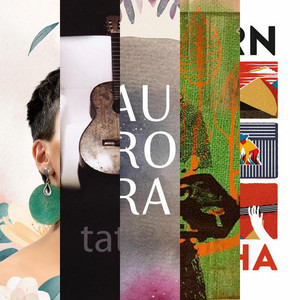
Top albums






Best playlists
Influenced by
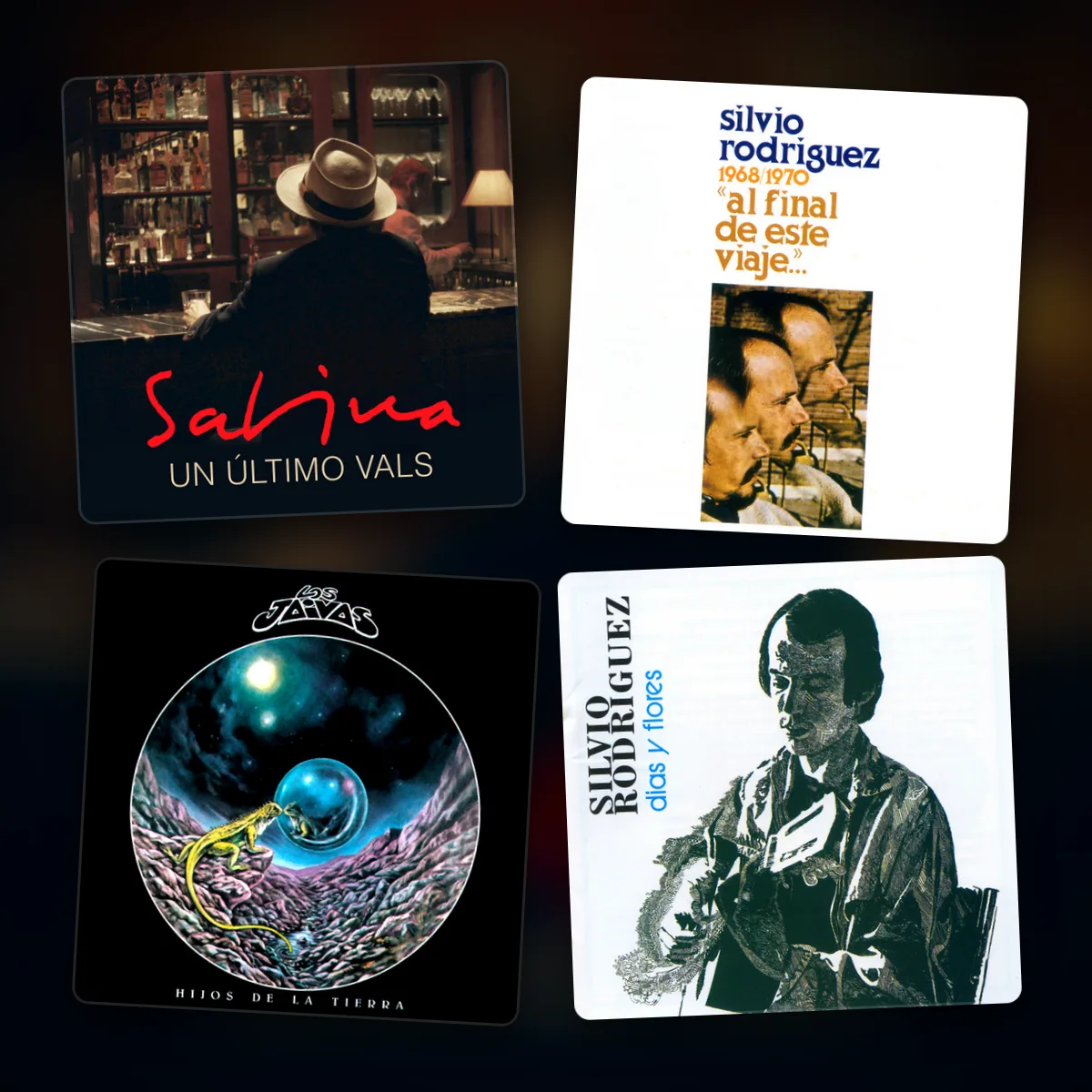

Other similar genres
Genres sharing the most artists with Nueva Trova Chilena


