Description
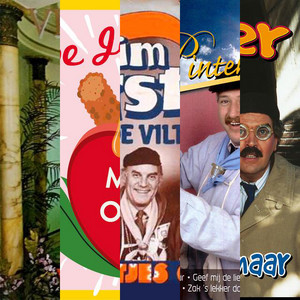
Oeteldonk is a local carnival-song tradition associated with Den Bosch in the Netherlands. Its songs bring together music, lyrics and presentation with a festive local character; playful humour, tradition and the carnival idea of an upside-down world are among its recognised themes.
The annual Kwèkfestijn song contest is an important setting for the repertoire. Its rules require the winning song to be playable on traditional wind instruments and prohibit electronic music and instruments in the contest. These are contest requirements rather than a complete description of every Oeteldonk performance.
Based on: oeteldonk.org, dokter-oetel.webnode.nl, bastionoranje.nl
More on: Every Noise at Once
History
A local song festival
The Groot Oeteldonks Songfestival began in 1959 as a competition for lyricists and composers. It later developed into the Kwèkfestijn, an annual event at which a carnival song is selected for the coming season. The festival treats expanding the local repertoire as a way of sustaining Oeteldonk’s carnival identity.
Changing participation and presentation
Rules were introduced requiring new lyrics to be paired with new melodies. From 1967, presentation was also a judging criterion. In 1971, competing groups began performing their own songs, and the preliminary selection was dropped. Participation grew: from 1978, more than 40 carnival clubs took part.
Write the song
Create a new melody and original lyrics with a carnival or Oeteldonk character. You could build the text around playful reversals, local tradition or humorous observations. Let the words and melody work together as a song a group can present rather than treating the lyric as separate from the performance.
Arrange and present it
For a Kwèkfestijn entry, make sure the song can be played on traditional wind instruments, and do not use electronic music or electronic instruments. Plan the group’s presentation alongside the song: performance and presentation are part of the festival tradition. A practical approach is to establish the tune clearly in the wind arrangement before adding supporting parts.