Description
Old school dancehall moves on deep basslines, syncopated beats and clipped keyboard chords struck on the offbeats. The name is used by Every Noise at Once and a Sounds of Spotify playlist, though very little has been written about it. Voices are central: performers toast, chant and singjay in Jamaican Patois and English, often with the lead placed prominently over the rhythm.
Much of the music has a bouncy, danceable pulse, with punchy drum-machine kicks and snares, bright synthesizers and sparse, tightly arranged backing. Other tracks settle into a slower, heavier groove, using reverb and echo to open up space around the bass and voices. Backing voices can add harmonies, shouts or answering phrases. Repeating chord patterns keep the focus on vocal rhythm and the movement of the bass.
The music sits close to dancehall and ragga, as well as reggae and the spacious studio treatments of dub. Its mood can be bold and playful or relaxed and hypnotic. Song titles point toward subjects including romance, dancing and life in the ghetto, alongside playful turns of phrase.
Based on: Every Noise at Once, Spotify's genre tags and playlist
Build the rhythm
Start with a reggae-derived syncopated groove and a deep, prominent bassline. Use a drum machine for punchy kicks and crisp snares, then place short keyboard or synthesizer chords on the offbeats. Keep the pace slow to mid-tempo and let the beat feel either buoyant or heavy and relaxed.
Voice and arrangement
Draw on dancehall and ragga by writing a rhythmic lead part that moves between toasting, chanting and melodic singjaying. Keep the vocal upfront, and add answering shouts or sustained backing harmonies. A simple, repeating chord progression leaves room for the phrasing and bass to carry the track.
Production
For a tight digital sound, keep the arrangement sparse and the lead relatively dry. For a more dub-influenced version, give the bass extra weight and use spring-like reverb and delay on selected vocal or snare accents.

How To Make Dancehall Beats In FL Studio 21#shorts
Seth

OLD SCHOOL DANCEHALL MOVES 🇯🇲🔥 #Shorts #Dancehall #Dancing #Jamaica #CuttyRanks
VP Records

How to Create a Dancehall Track in 1 Minute with Di Genius
Splice

Learn a Dancehall Beat in Just 30 Seconds! ⏱️
Melodics

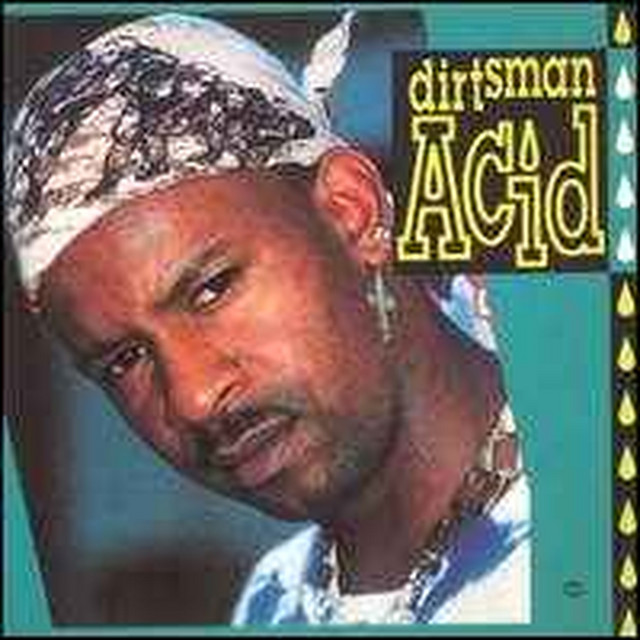
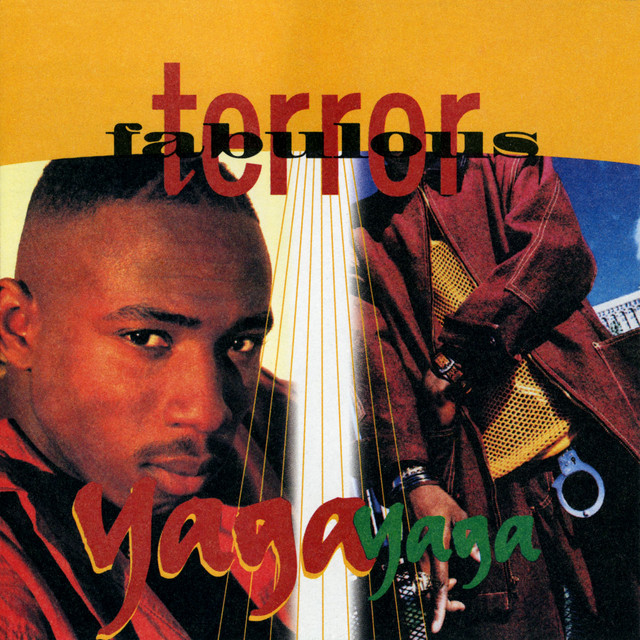
Top albums
Best playlists

Influenced by


Other similar genres
Genres sharing the most artists with Old School Dancehall