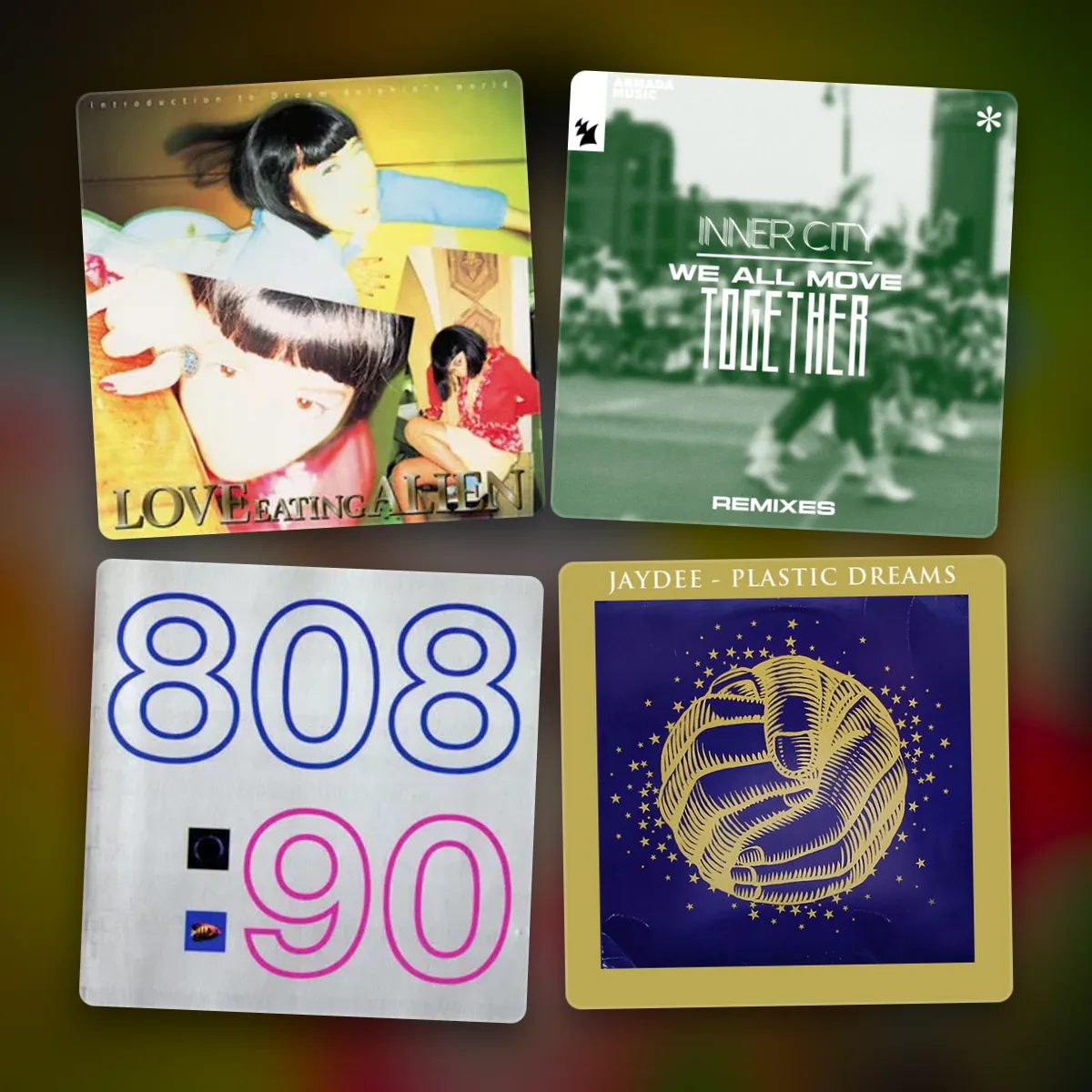
Description
Fast, driving electronic rhythms and repeating minor-key synth figures give old school hard trance an intense, hypnotic pull. The term comes from Every Noise at Once and The Sounds of Spotify’s playlist, though the music has scarcely been described in writing. Heavy four-on-the-floor kicks and crisp off-beat hi-hats often anchor the tracks, while rapid synth pulses and snare rolls build tension.
Bright lead synthesizers cut through dense, compressed mixes, sometimes joined by pads or squelchy, resonant acid lines. Filter sweeps, reverb and delay add movement and space. Most tracks are instrumental; when voices do appear, they tend to be brief spoken samples rather than full sung parts, sometimes using short English phrases.
The music sits close to trance and hard trance, with their evolving arrangements, insistent rhythms and strong melodic lines. Acid trance and acid techno are useful reference points for the more elastic, buzzing synth tones, while techno’s mechanical repetition is present in the beat-driven passages. Titles such as “Outside World,” “Lost in Space” and “Universe Key” suggest futuristic or otherworldly imagery.
Based on: Every Noise at Once, Spotify's genre tags and playlist
Build the pulse
Start with a fast four-on-the-floor electronic kick and crisp off-beat hi-hats. Add claps or snares for emphasis, and use rapid snare rolls to build tension before a change in the arrangement.
Shape the synths
Write a repetitive minor-key arpeggio or pulsing bass sequence, then layer it with a bright lead and sustained pads. For an acid trance or acid techno color, add a resonant, squelchy synth line and automate its filter. Trance and hard trance offer a model for gradually building and releasing tension around a strong melodic figure.
Produce for impact
Keep the mix forceful and compressed, using stereo placement, reverb and delay to give the synths space. Vocals can be omitted; if used, try a short spoken phrase treated with delay rather than a full sung part.

Hard Trance Bass Tutorial
Sam Jones DJ

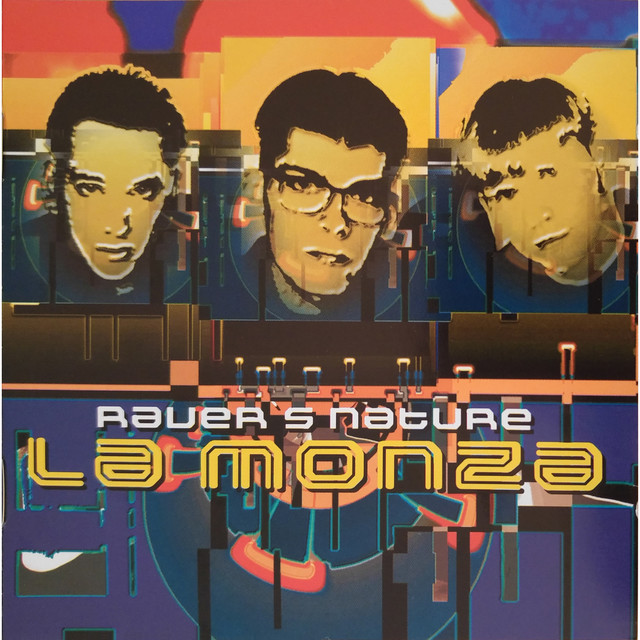
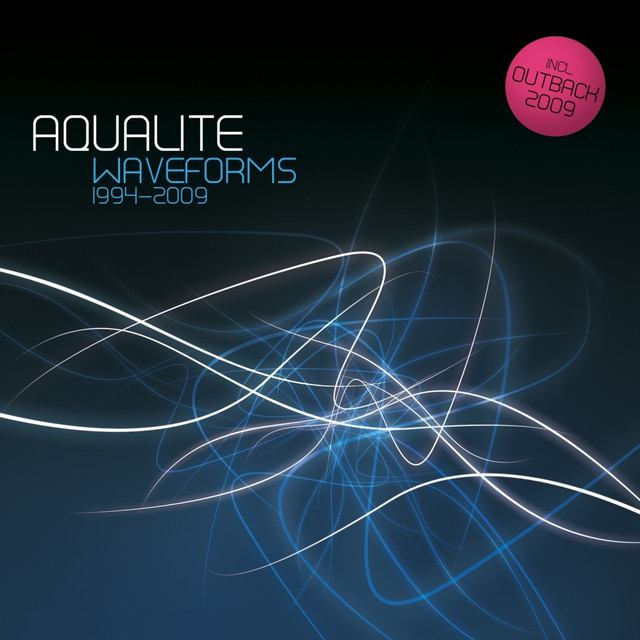
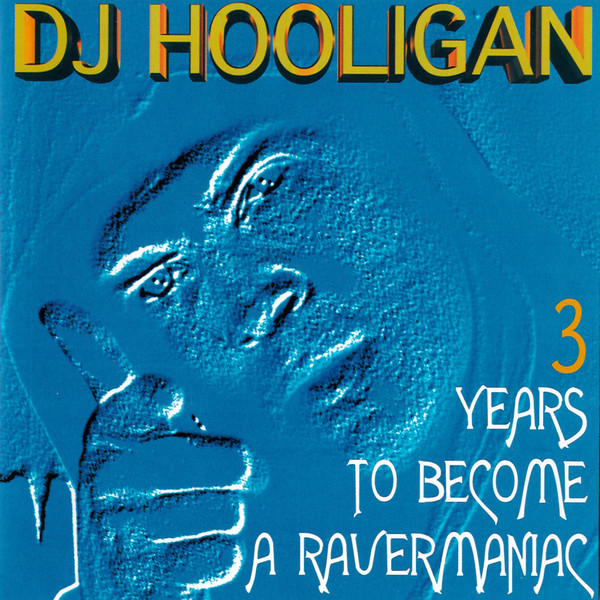
Top albums

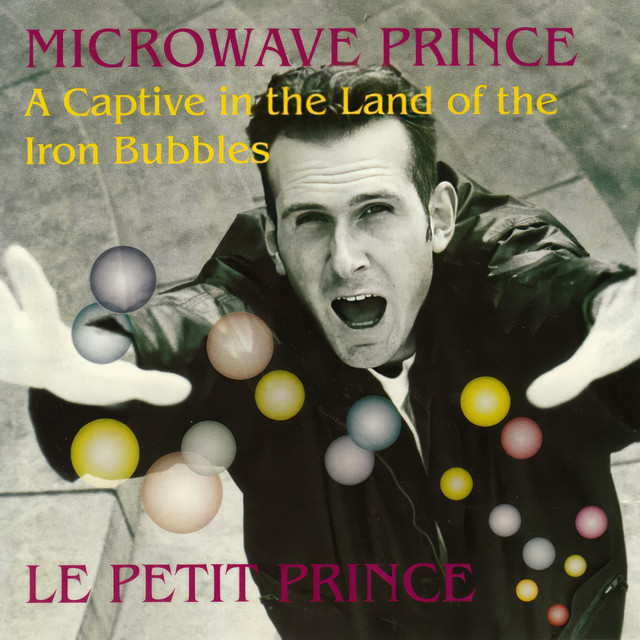
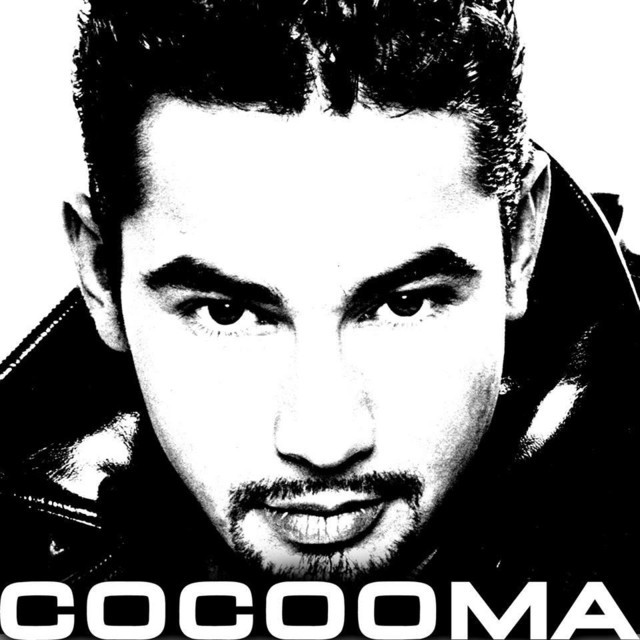

Best playlists

Influenced by


Other similar genres
Genres sharing the most artists with Old School Hard Trance