


Description
Outer hip hop centers on head-nodding rap over punchy, mid-tempo drum loops, deep bass and repeating minor-key melodies. The term comes from Every Noise at Once and Spotify’s “The Sound of Outer Hip Hop” playlist, with scant written description. English-language rappers usually deliver their lines clearly and up front, sometimes joined by soulful sung hooks.
Piano, electric piano and vibraphone-like sounds give many tracks a reflective, sometimes jazzy cast. Subtle pads or strings fill out the background, while occasional guitar motifs and turntable scratches add texture. The drums often follow a boom-bap pattern, with a firm kick and crisp snare; the production tends toward a warm, slightly vintage or lo-fi sound. Reverb and delay can give sung lines and vocal interjections a little more space around the dry rap vocals.
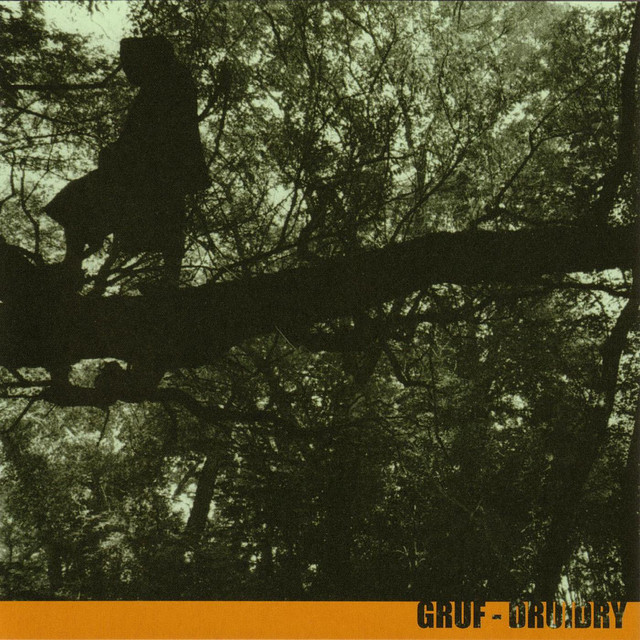
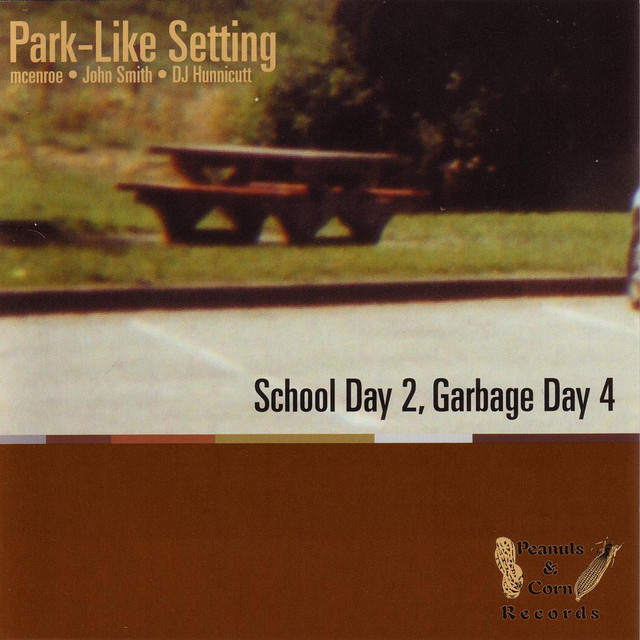
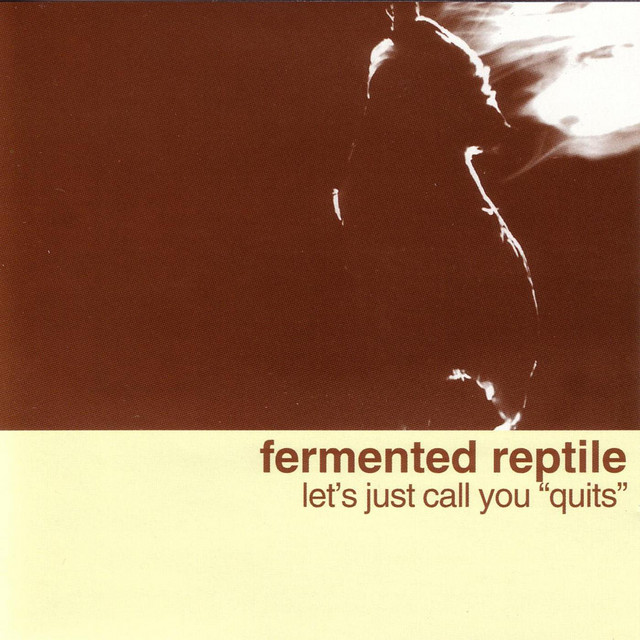
The music sits close to underground hip hop and jazz rap, combining loop-based beats with a contemplative or melancholy atmosphere. Titles such as “Time Alone,” “Old Friends” and “Help Wanted” suggest personal reflections and everyday concerns. Many releases by its artists date from the 2000s, including Gruf’s Druidry, Park-Like Setting’s School Day 2, Garbage Day 4 and Fermented Reptile’s Let’s Just Call You “Quits.”
Based on: Every Noise at Once, Spotify's genre tags and playlist
Build the groove
Start with a mid-tempo boom-bap drum loop: a punchy kick, a crisp snare on the backbeat and steady hi-hats. Add a deep bassline that locks in with the drums without crowding the vocal.
Make a loop
Draw on jazz rap for a repeating minor-key piano, electric piano or vibraphone-like phrase. Keep the harmony reflective and add a restrained pad, string texture or guitar motif for depth. A turntable scratch can punctuate a transition.
Record and mix
Take cues from underground hip hop: put an articulate English rap vocal prominently in the mix and leave room for its cadence. Try a sung hook or doubled phrase endings, using reverb or delay sparingly against a warm, slightly lo-fi instrumental bed.

Learn How To Rap : Does It Need Improvement? #howto #rap #howtorap #improvement #studymusic #study
Crook Brown

50 Cent Teaches Rap Songwriting In 3 Steps (50 Cent Writing Process)
How To Rap

How to Make, Mix, and Record Hip-hop: EVERYTHING You Need to Know
Sweetwater

Top albums







Best playlists
Outer Hip Hop
Melodigging
The Sound of Outer Hip Hop
Every Noise at Once
Outer Hip Hop
Chosic

Sun Came Out Hip Hop Mix (ft. Gunna, Travis Scott, Playboi Carti, Don Toliver+ more)
DJ Otis

2026 NEW HIP HOP MIX 🔥 DaBaby, Sexyy Red, 42 Dugg, Bossman Dlow, Pooh Shiesty | Club Bangers
djbj3525
Influenced by


Other similar genres
Genres sharing the most artists with Outer Hip Hop


