Description
Pinoy R&B blends smooth, intimate singing with slow to mid-tempo electronic beats, deep bass and a touch of melodic rap. The name is used by Every Noise at Once, Spotify’s genre labels and the playlist “The Sound of Pinoy R&B”, though published description is scarce.
The rhythm often rests on a heavy sub-bass or 808 kick, a crisp snare or clap, and skittering hi-hats. Clean electric guitar figures and warm keyboards repeat over slow-moving chords, often in minor keys. Voices are typically high or mid-range, with breathy melodies, vocal runs and rap-sung phrases. Layered harmonies, pitch correction, reverb and delay give the polished production a spacious, contemporary finish.
The music sits close to Pinoy hip hop, sharing its rhythmic vocal delivery and electronic beats, while its melodic side also connects with Filipino pop and ballad traditions. Songs in Tagalog and English often evoke affection, longing and uncertainty, as titles such as “Love + U” and “Need You” suggest. The overall mood tends to be romantic and laid-back, with a reflective or late-night melancholy. Many releases in the playlist date from the late 2010s and early 2020s.
Based on: Every Noise at Once, Spotify's genre tags and playlist
Build the groove
Start with a slow or mid-tempo drum-machine beat. Use a deep sub-bass or 808 kick, a crisp snare or clap, and syncopated hi-hats; borrow the rhythmic energy of pinoy hip hop without crowding the vocal.
Shape the harmony
Loop a slow-moving chord progression, using minor chords for a reflective mood or extended chords for extra warmth. Add a clean electric guitar arpeggio or repeating riff, then fill out the space with piano, electric keys or a soft synth pad.
Write and produce the vocal
Combine an intimate sung melody with rhythmic, melodic phrases. Add harmonies, doubles or ad-libs, and experiment with pitch correction. Reverb and delay can lend the voice and guitar a spacious finish while the bass remains prominent.

Pasulyap-sulyap - Tootsie Guevarra | Romantic R&B Cover | OPM Love Song ❤️
Coffee and Pillow

Kay Tagal Kitang Hinintay - SpongeCola | Smooth Romantic R&B Cover | OPM Love Song ❤️
Coffee and Pillow

Biyahe - Josh Santana | Smooth R&B OPM Cover
Coffee and Pillow

Recreating Pantropiko by BINI with BandLab (English Pop R&B Cover) #shorts
a!ka

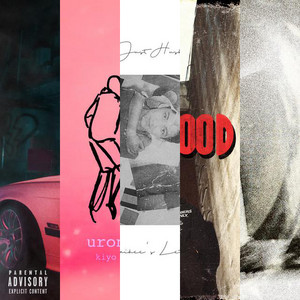
Top albums





Best playlists

Influenced by

Other similar genres
Genres sharing the most artists with Pinoy R&b