Description
Pirate is a broad label for music built around pirate imagery and seafaring stories rather than a single, uniform sound. Its rock and metal variants can combine amplified guitars and driving rhythms with melodies reminiscent of Celtic music and sea shanties. Lyrics may use nautical jargon or romanticize pirate life, while theatrical performance and period costume can extend the theme beyond the songs.
Pirate metal draws on heavy metal styles, including thrash, speed and folk metal. Concertina, accordion, tin whistle and steel drums may add folk-like colors, whether played directly or imitated with synthesizers. Pirate rock can also bring together punk and classic rock with shanty-like hooks.
Based on: Wikipedia, urbandictionary.com, ftdmusic.com, plunderandlightning.com
More on: Every Noise at Once
History
Rock and metal variants
Pirate-themed music has developed in more than one rock setting. Pirate metal was widely established and popularized by the German heavy metal band Running Wild. Pirate rock has also been described as a blend developed by the Southern California band Dannicus Live, bringing Celtic music and sea shanties together with punk, metal and classic rock.
Approaches and criticism
The band Plunder Lightning combines pirate storytelling with influences ranging from indie and punk to sea shanties. Within Celtic pirate rock, one musician has criticized some bands for putting Irish or pirate lyrics over ordinary rock to earn festival money. That musician argues instead for integrating traditional-sounding Celtic and shanty melodies with rock.
Build a nautical theme
Start with a seafaring story or pirate imagery, and use nautical language where it suits the song. Write a memorable, singable refrain: a shanty-like melody can give the narrative a communal feel without requiring the whole piece to imitate a traditional song.
Blend the musical styles
For a heavier approach, build the arrangement around metal riffs and experiment with folk-like melodies over them. For a pirate-rock approach, you could combine a straightforward rock or punk backing with a Celtic- or shanty-inspired hook. Give the traditional-sounding melody an active role in the arrangement rather than relying on the lyrics alone to establish the setting.
Add instrumental color
Try concertina, accordion, tin whistle or steel-drum sounds as melodic accents; synthesizers can imitate these colors if the instruments are unavailable. Let the vocal delivery and arrangement support the story, and consider a theatrical presentation for live performance.

Playing “He’s a Pirate” on EVERY Instrument!
Landen Purifoy

The Pirate Scale On Guitar 🎸
Shred

HOW TO MAKE PIRATE SWAG
prodbycircus

How To Write A Sea Shanty Song or Pirate Music
Signals Music Studio

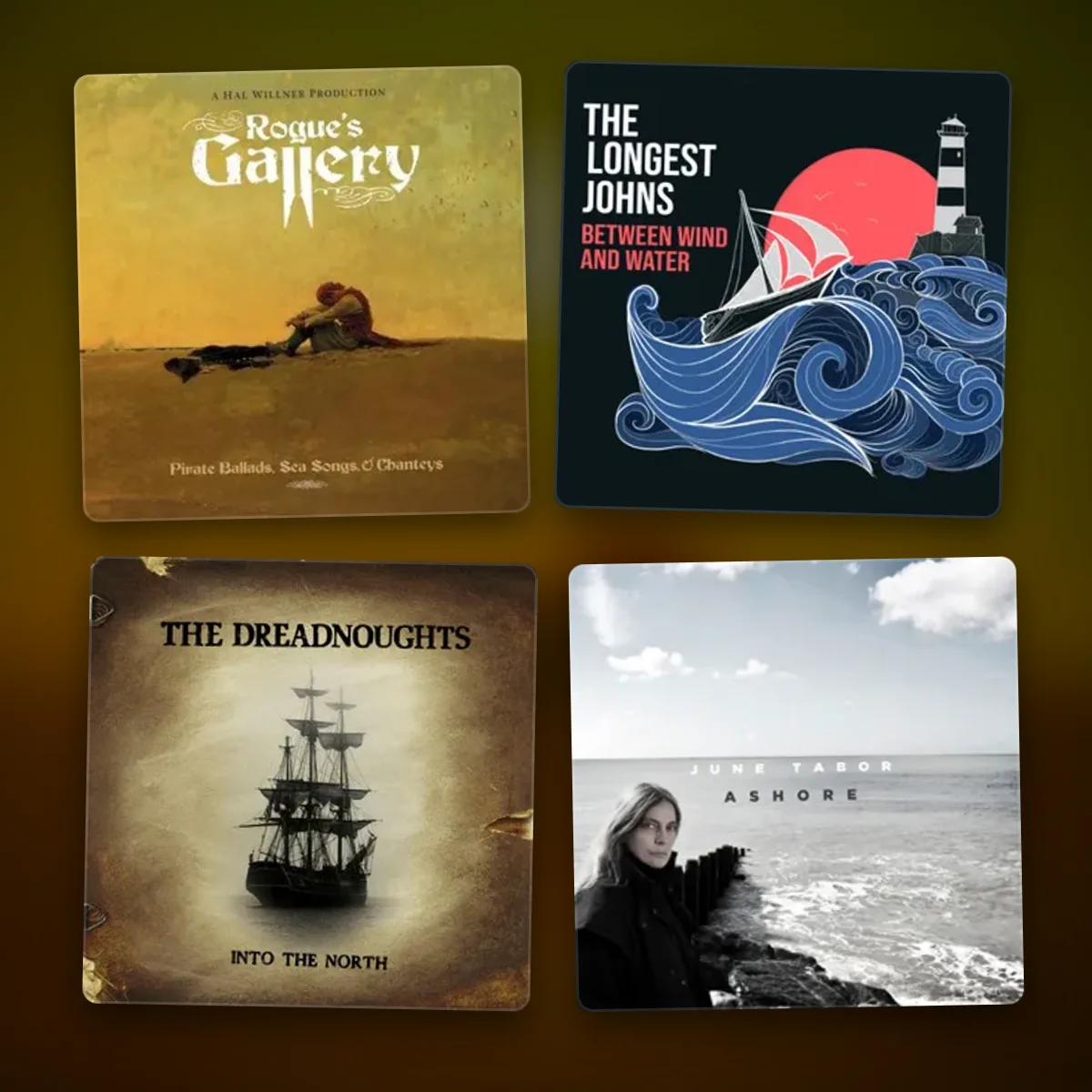
Top albums

Best playlists


Influenced by




Other similar genres
Genres sharing the most artists with Pirate