Description
Pixie centers on intense, melodic heavy rock: distorted guitars and driving drums support soaring, often gritty English-language vocals. The name is used by Every Noise at Once, Spotify genre labels and The Sounds of Spotify’s playlist “The Sound of Pixie”, though commentary on it is scarce.
The music tends to be fast and forceful, with prominent snare backbeats, crashing cymbals and minor-key power chords. Riff-led passages and half-time rhythms provide contrast, while layered harmonies reinforce the lead vocals. Synthesizers add another layer to the guitar-and-bass sound; some tracks also use piano or electronic percussion. The production is generally polished and dense, with punchy drums and vocals placed prominently in the mix.
Its artists are also associated with pop punk, emo, post-hardcore and metalcore. Those connections can be felt in the combination of catchy vocal melodies, emotional urgency and heavier riffs and breakdowns. The overall mood is often dramatic, defiant and angsty. Much of the playlist’s music is from the 2010s.
Based on: Every Noise at Once, Spotify's genre tags and playlist
Build the rhythm section
Start with a driving rock beat, a firm kick and snare backbeat, and crashing cymbals. Lock distorted guitar riffs and bass tightly to the drums; use a half-time passage to give a heavier section room to breathe.
Write the guitars and melody
Use minor-key power chords and contrasting riff-led sections. Draw on pop punk for memorable hooks, emo for expressive melodic writing, and metalcore or post-hardcore for heavier, more dynamic passages.
Arrange and produce
Write a soaring lead vocal in English, moving between a powerful, gritty delivery and more restrained phrases. Layer harmonies around the lead, add synth pads or a piano part for color, and aim for a dense, polished mix with punchy drums and prominent vocals.

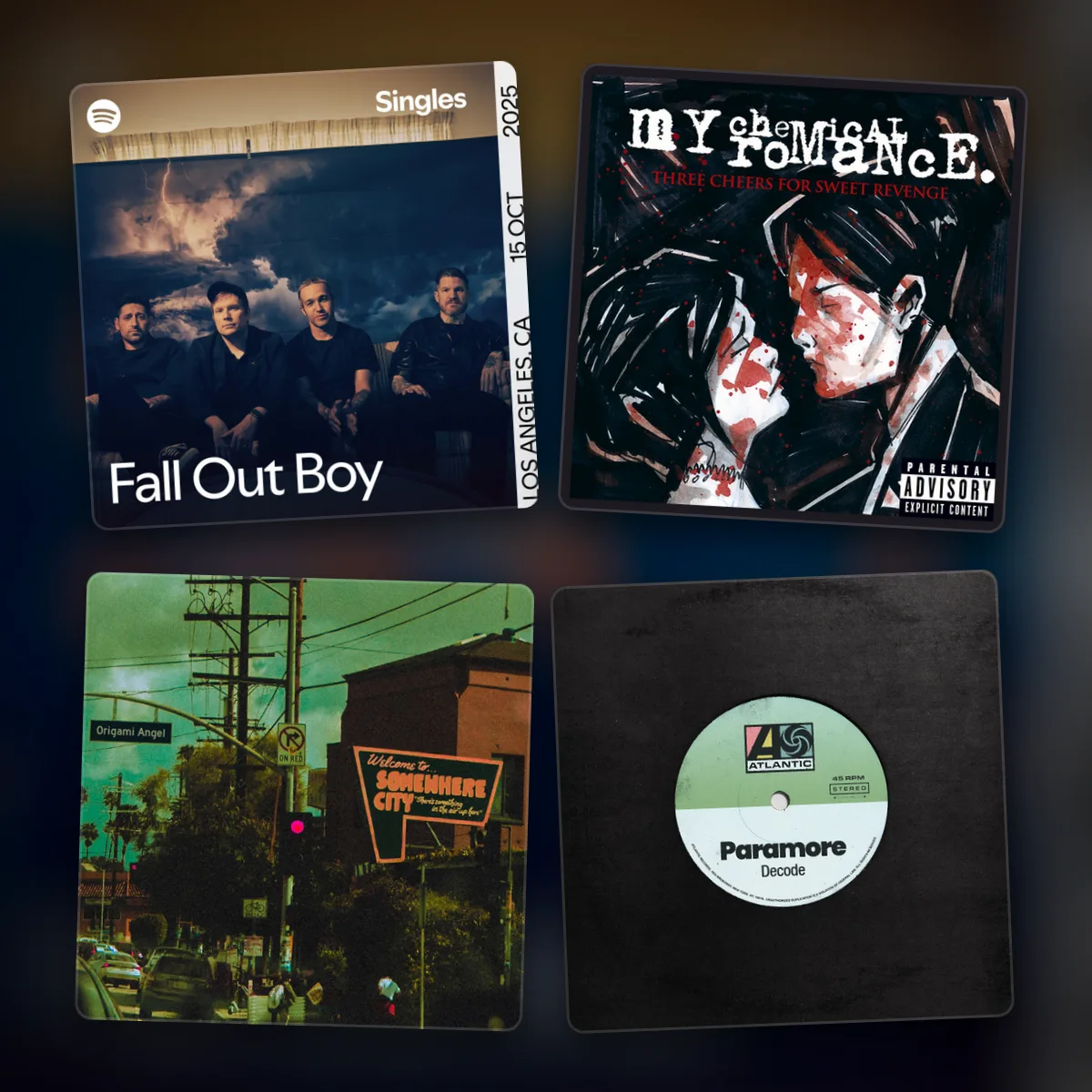
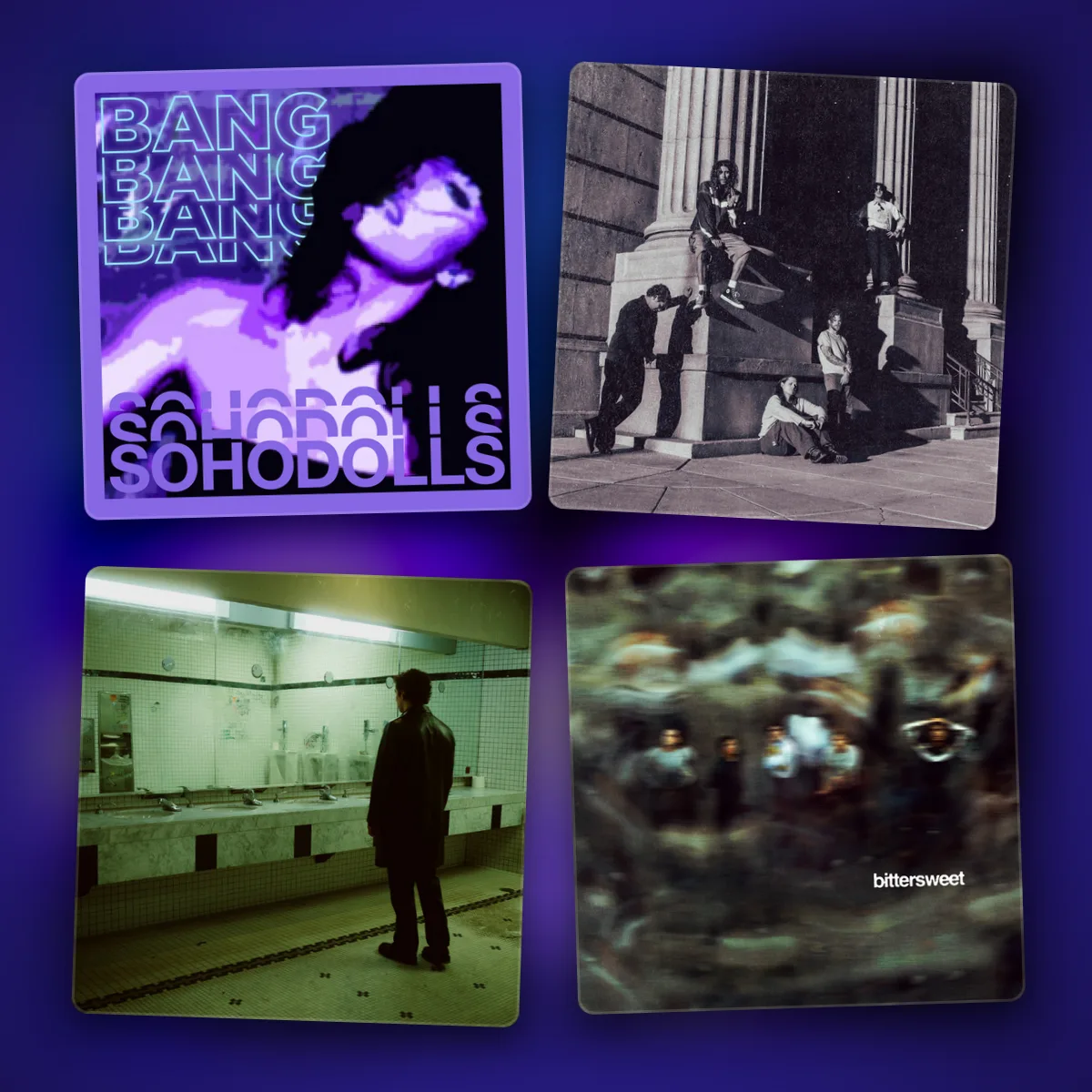
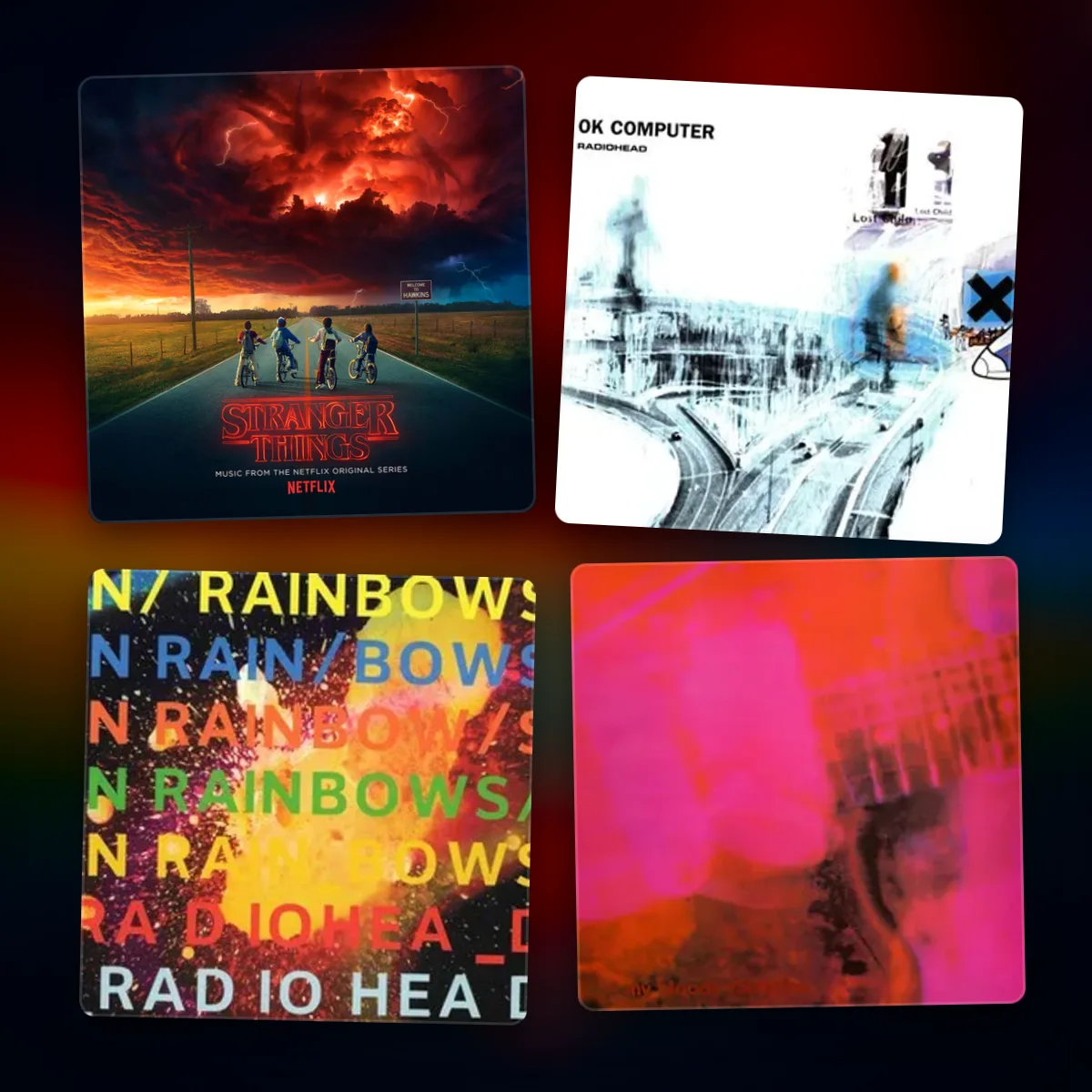
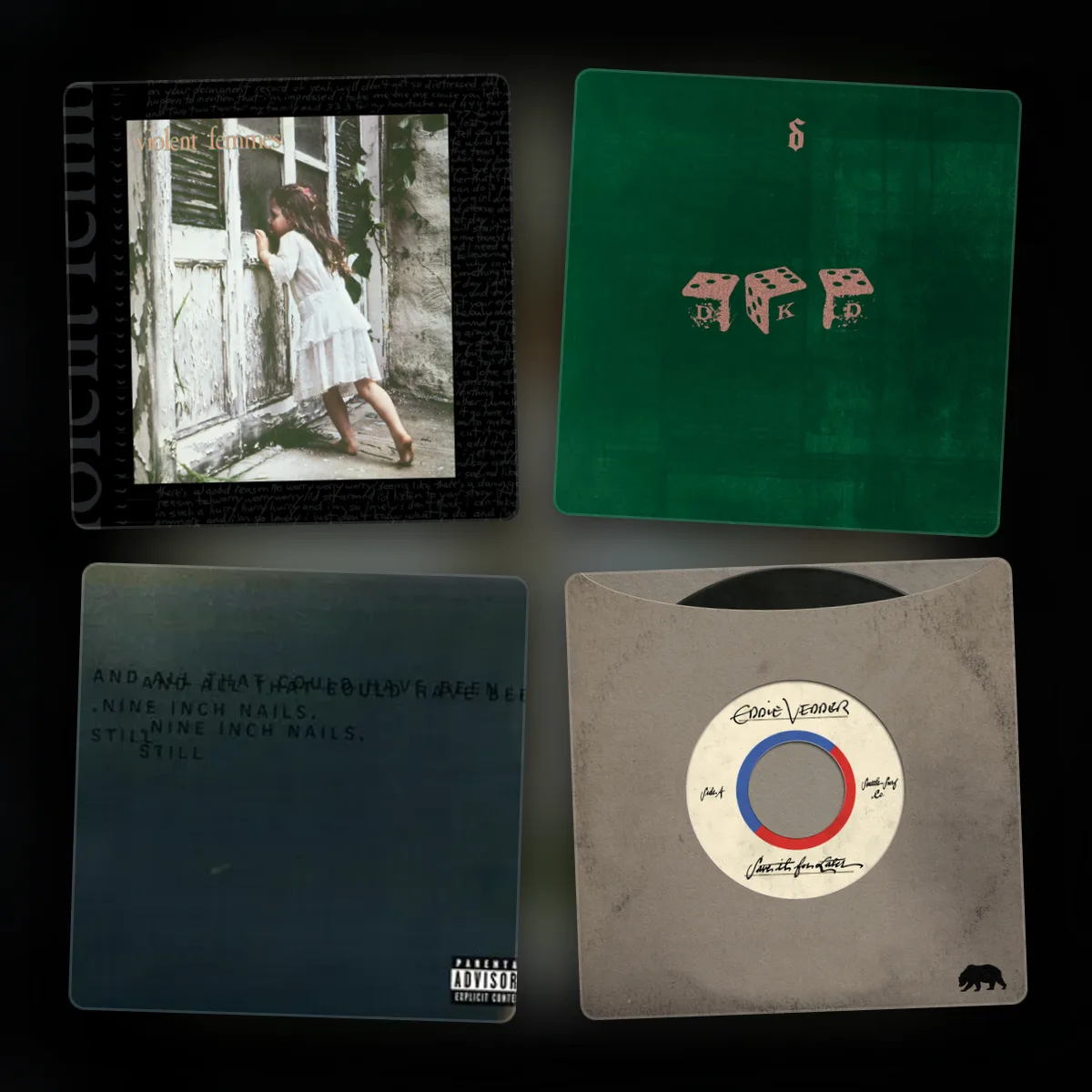
Top albums
Best playlists
Pixie
Melodigging
The Sound of Pixie
Every Noise at Once
Pixie
Chosic

Pixie Mix
Spotify

Pixie - Beats for Love 2025 I Drum & Bass
DnB Portal
Influenced by


Other similar genres
Genres sharing the most artists with Pixie