Description
Expressive violin melodies sit at the front of pop violin, often soaring above strings, piano or electronic beats. The name is used by Every Noise at Once and a Spotify playlist, though written discussion is scarce. The music ranges from tender, slow violin-and-piano ballads to dramatic instrumentals built on hip-hop and trap-style rhythms.
The violin lines can be lyrical and sustained or full of quick runs, slides and wide vibrato. Some arrangements pair them with deep electronic bass, sharp snares and rapid hi-hat patterns; others leave space for piano chords and arpeggios. Layered strings or sustained pads add breadth, while polished production and reverb give the lead a spacious sound. The music is largely instrumental, with occasional brief vocal accents rather than lead singing.
It sits close to classical crossover, bringing the sound of bowed strings and classical melodies into a pop setting. The repertoire includes pop-song arrangements such as David Garrett’s “Viva La Vida” and VioDance’s violin-and-piano version of “A Thousand Years,” alongside pieces drawn from classical repertoire, including “Canon In D” and “Fur Elise.” The mood can be romantic and reflective, but also urgent, brooding or intensely dramatic.
Based on: Every Noise at Once, Spotify's genre tags and playlist
Lead with the melody
Write a clear, expressive melody for solo violin. Shape longer notes with vibrato and slides, and use quick runs or trills to heighten dramatic phrases. Give the instrument a prominent place in the mix with some spacious reverb.
Choose an accompaniment
For a tender ballad, support the violin with piano chords and arpeggios. For a harder, more rhythmic track, build a programmed beat from deep bass, crisp snare or clap hits and quick hi-hat figures. Add sustained string layers or pads for a fuller backdrop.
Draw on classical crossover
Combine a classically inflected violin melody or an arrangement of a classical theme with a concise pop structure. Keep the production clean and make room for the instrumental lead rather than relying on a sung vocal.

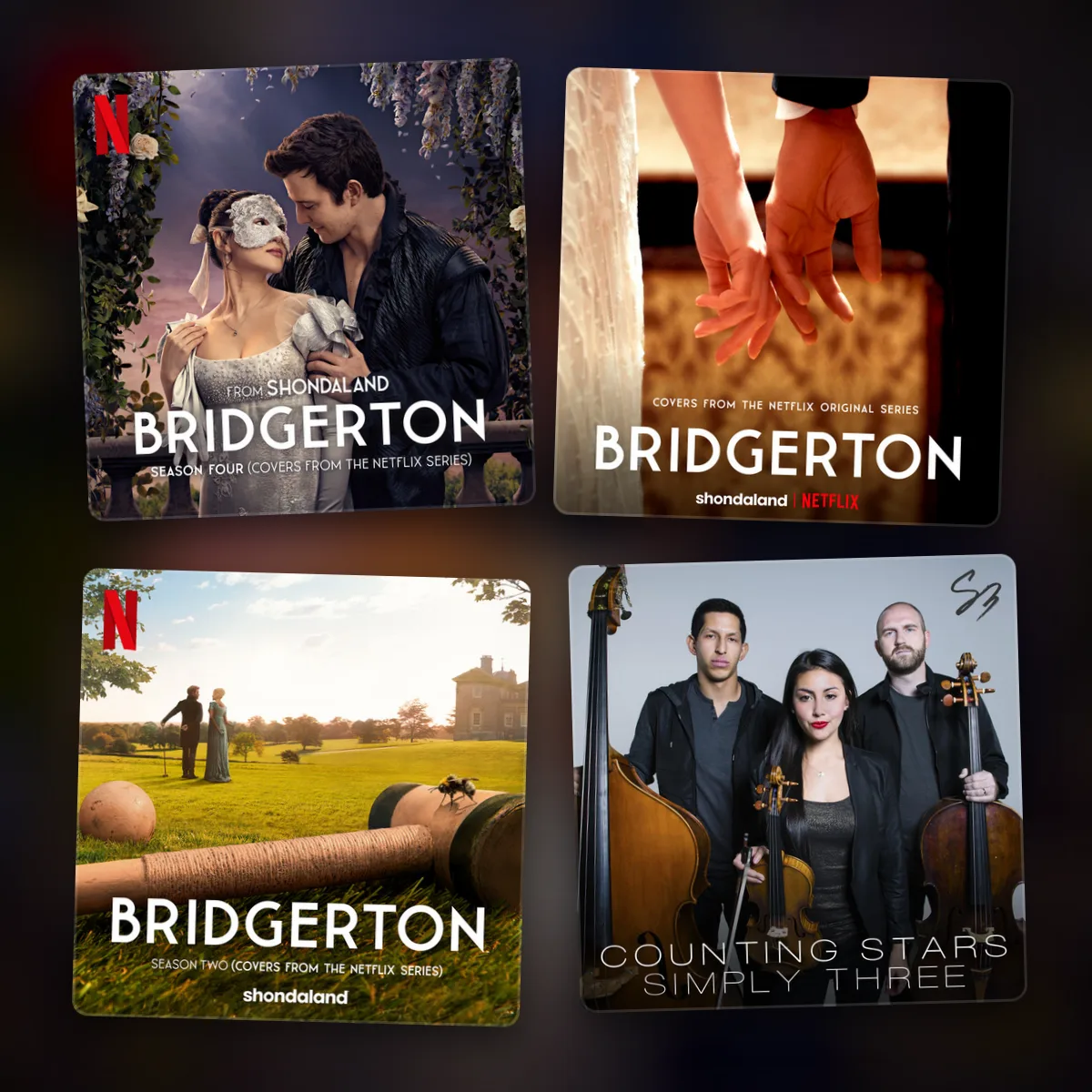
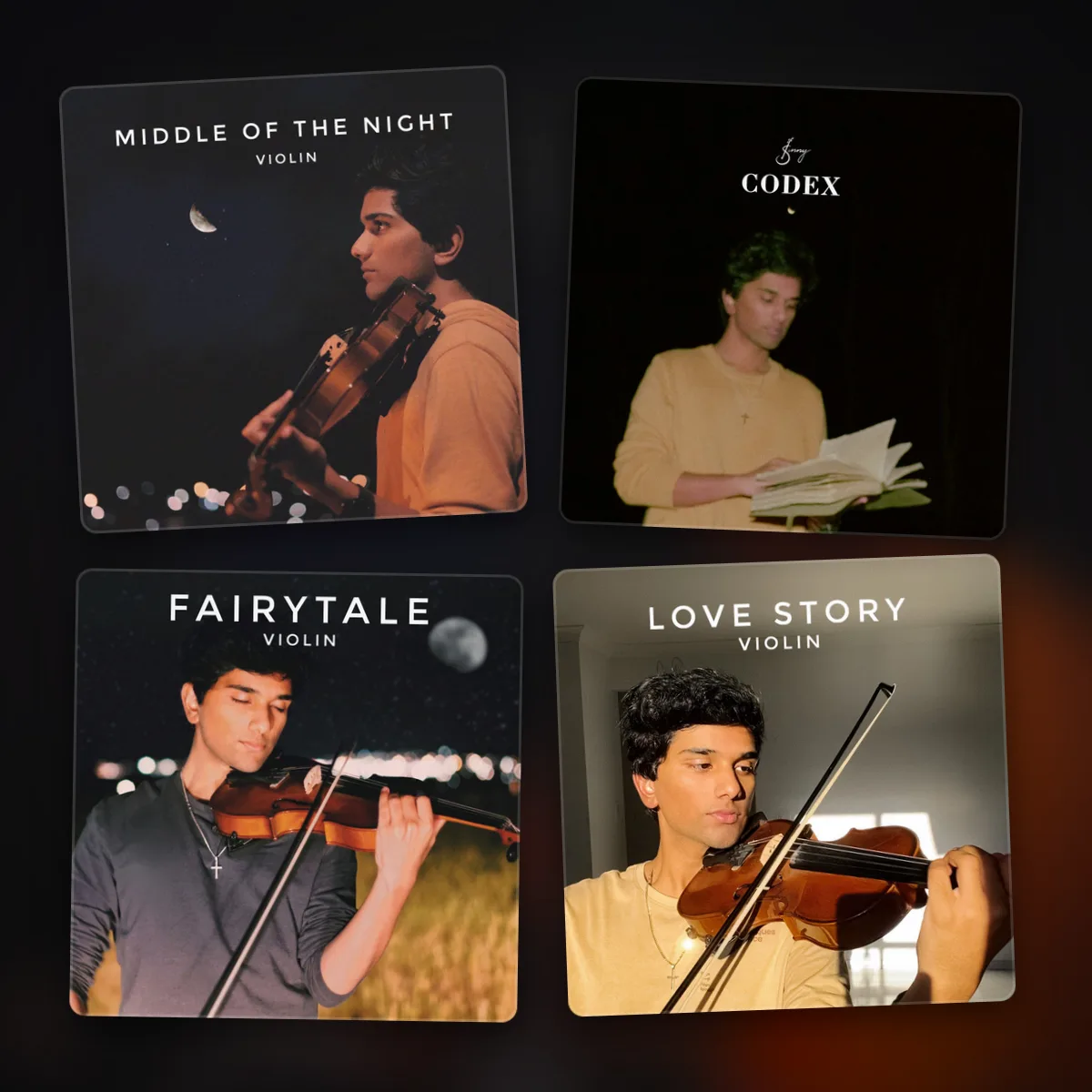
Top albums
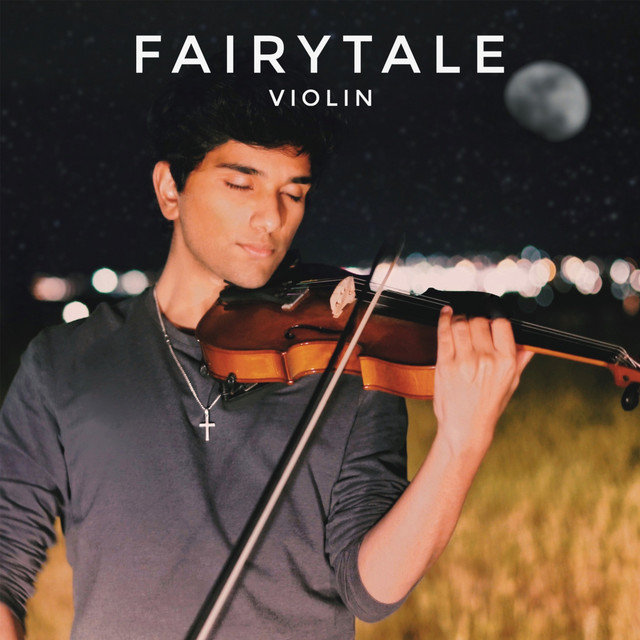
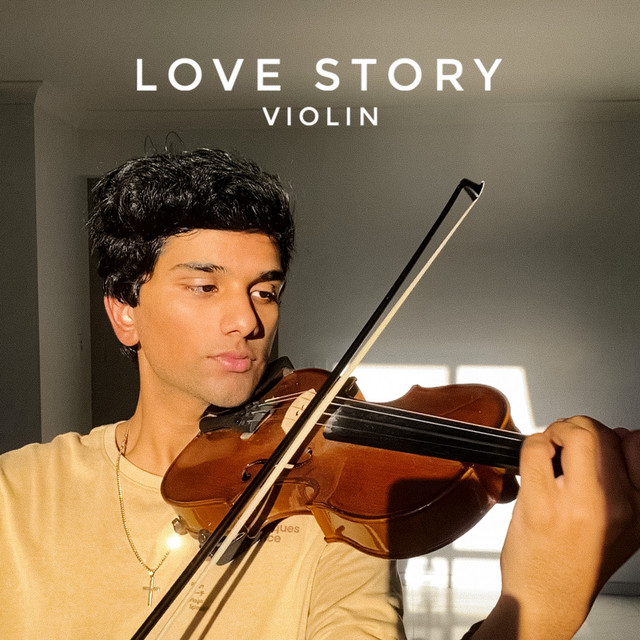
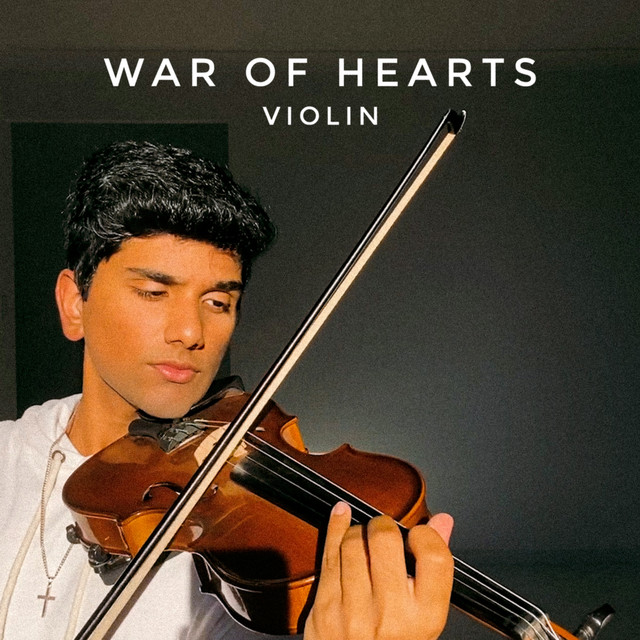

Best playlists


Influenced by


Other similar genres
Genres sharing the most artists with Pop Violin