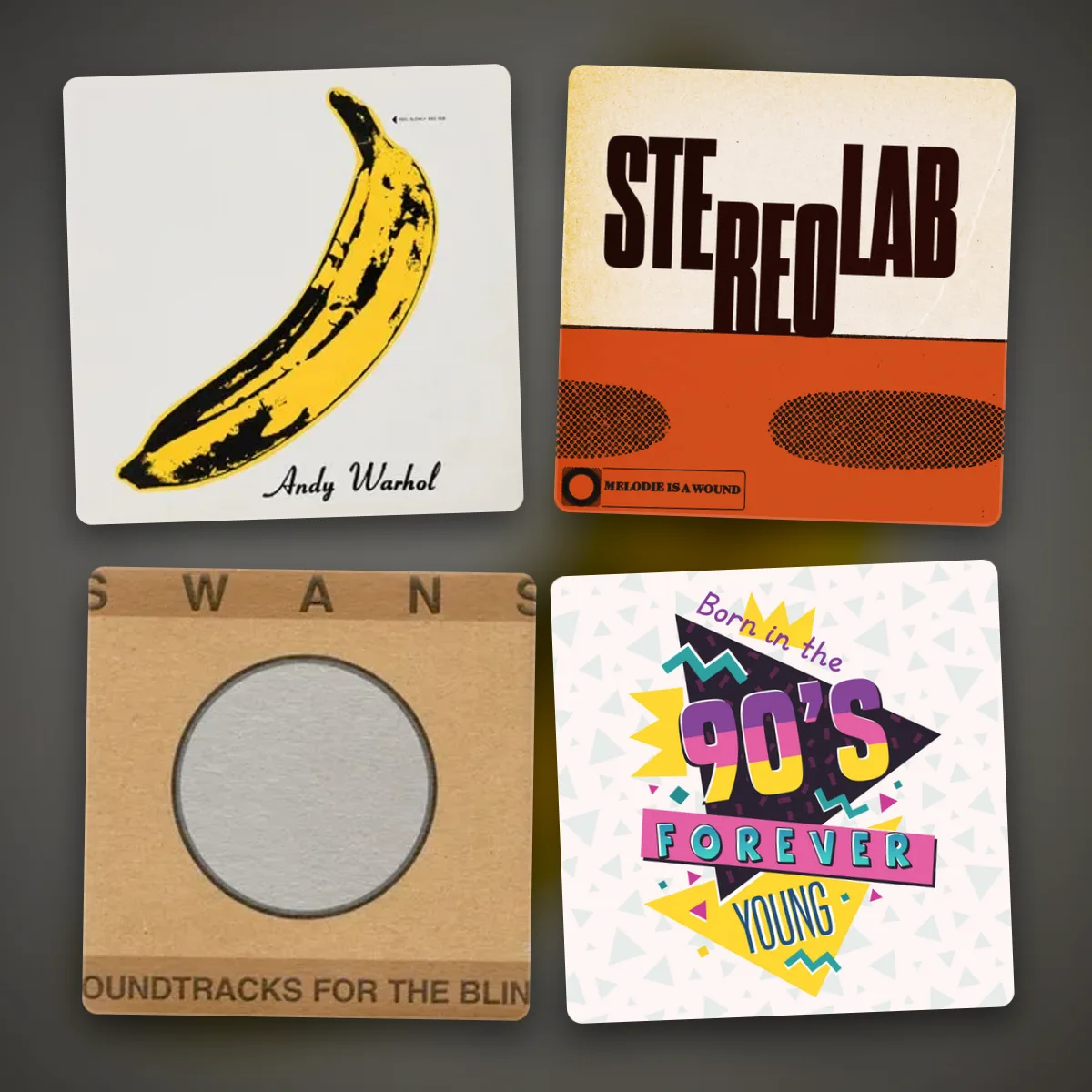
Description
Popgaze centers on driving guitar songs with steady drumbeats, repeating chords and voices that often sound raw or emotionally strained. The term is used in Spotify’s genre labels, Every Noise at Once and the playlist The Sound of Popgaze, though published description is scarce. Its artists range from the fuzz and energy of garage rock and noise rock to the hazier textures of dream pop and shoegaze.
Electric guitars can be jangly and clear or thick with fuzz, overdrive and modulation. Bass and acoustic drums tend to keep a straightforward, propulsive rock pulse, with a prominent snare backbeat. Melodies often circle around short phrases, while reverb gives the music a roomy or blurred sound. Some recordings build into a dense wall of sound with the vocals tucked into the mix; others let an airy, more detached voice come through. Even at energetic tempos, the mood is often bittersweet.
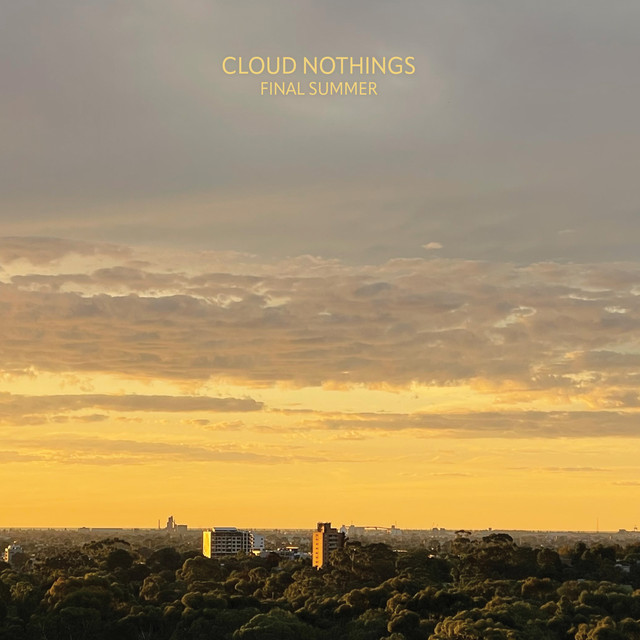
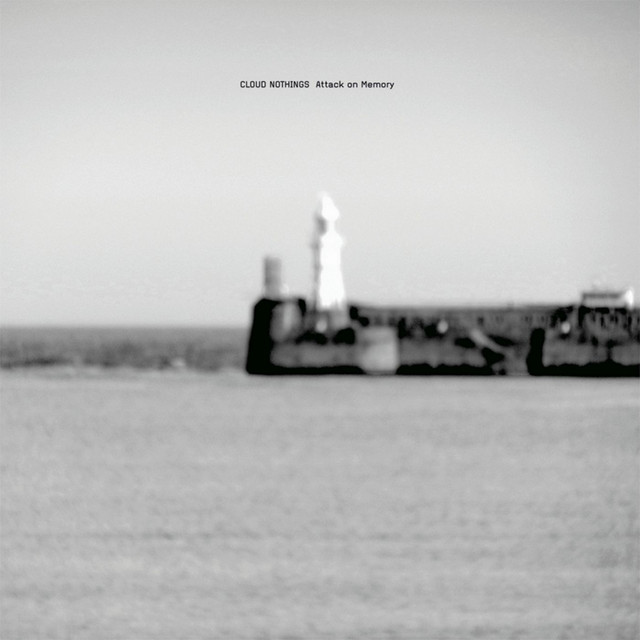
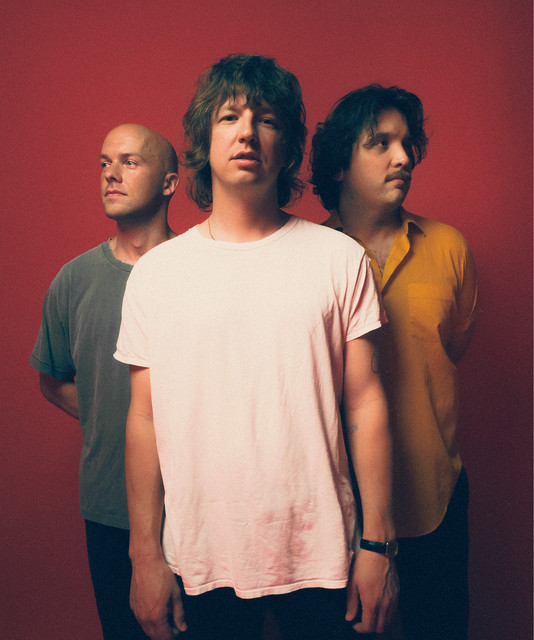
The songs are mostly in English, and titles frequently suggest youth, relationships and the passing of time. Much of the playlist’s music comes from the early 2010s, including tracks by Women, Cloud Nothings, No Joy and Young Prisms.
Based on: Every Noise at Once, Spotify's genre tags and playlist

Underrated Shoegaze Bands | Curve #curve #shoegaze #dreampop
Stained Glass Stories

What is Shoegaze Music? #shoegaze #dreampop #pedalpartners
pedal partners

Eyedress on shoegaze and inventing chords
Guitar Moves

what’s “psych gaze”? #music
blustre
Build a driving song
Start with a short, repeating chord progression and a steady rock beat. Use electric bass to reinforce the pulse, with a clear snare backbeat and persistent hi-hats or cymbals. Write a compact guitar or vocal hook that can gain force through repetition.
Shape the guitars and voice
Draw on garage rock and noise rock for overdrive, fuzz and a raw edge. For the spacious quality of dream pop and shoegaze, layer reverberant or modulated guitars and blend the vocal into the arrangement. A strained, emotive delivery or a softer, detached one can both work.
Keep some texture
Aim for a hazy, slightly unpolished mix rather than separating every part cleanly. Let the rhythm remain energetic while the melody or harmony carries a bittersweet undertone.

How To Create A Dreamy Guitar Sound
John Corduroy

Shoegaze Chords С D G #guitar #guitarist
Roman Guitarist
HOW TO SOUND MAKE SHOEGAZE ON BANDLAB 2025 *SOUND LIKE QUANNIC* #shorts
mourn

how to make shoegaze type beat #deftones #shoegaze #howtomakeshoegaze #shoegazetypebeat #flstudio
exkimelyy

Top albums




Best playlists



Influenced by

Other similar genres
Genres sharing the most artists with Popgaze