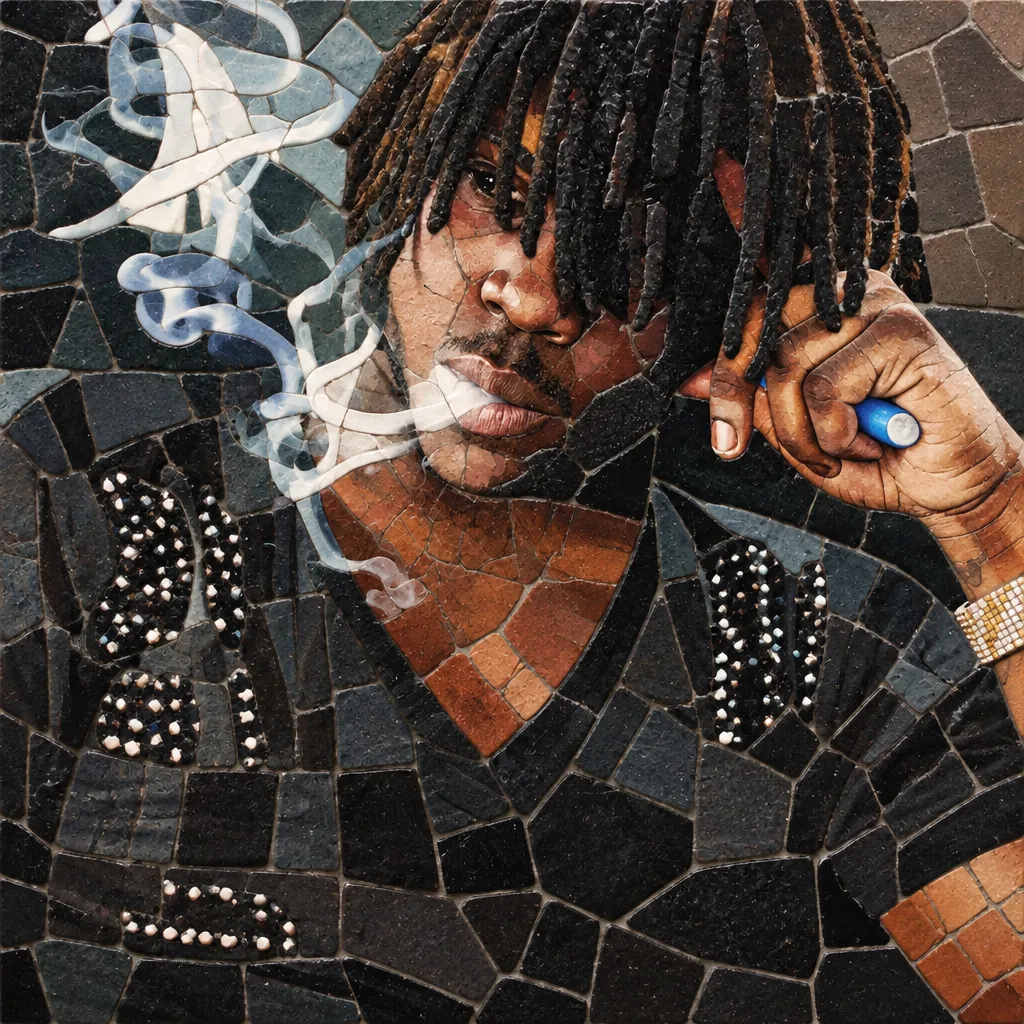
Description
Portuguese hip hop, often called hip-hop tuga, is a national scene within hip hop rather than a single, uniform musical style. Its performers have used Portuguese and Cape Verdean Creole as well as English, reflecting the scene’s connections to both international hip hop and local diasporic communities.
The music can draw on influences associated with Lusophone Africa, reggae, zouk and fado. Across its different currents, it has addressed the experiences of marginalized communities as well as more personal concerns. Once rooted in small-scale, self-made activity, it has also found a place on major festival stages in Portugal.
Based on: Wikipedia, latinolife.co.uk

Apollo G ft. Garry - Tempo antigo (Official Video) Prod by. Dj Michel
Apollo G Official

Valete - Rap Consciente (Prod Baghira)
Valete Canal

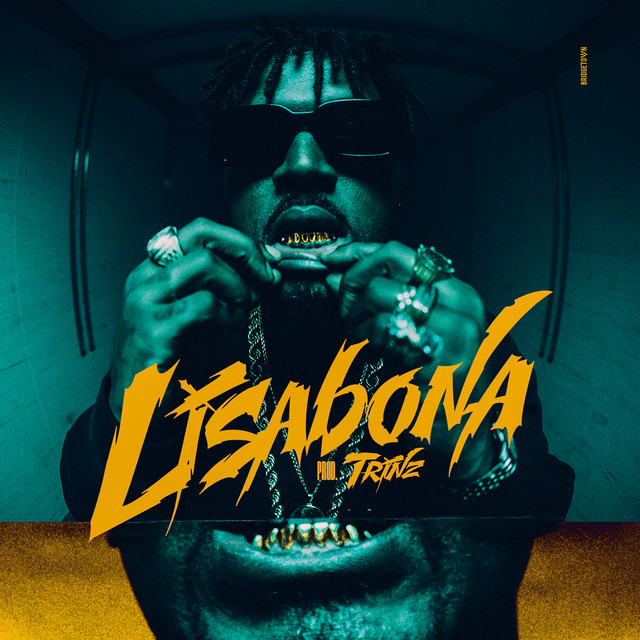
Plutonio - Lisabona
Plutonio 2765

WAZE - INVEJA
WAZE
History
Beginnings on the South Bank
Portuguese hip hop took root in the late 1980s on the Margem Sul, across the river from Lisbon. Almada and Miratejo were among the places involved, in an area with a strong Cape Verdean cultural presence. The movement began with breakdancing before developing through rapping and production. Early performers used English alongside the growing use of Portuguese and Cape Verdean Creole.
Recordings and the underground
The album Rapública, released in 1994, helped bring Portuguese hip hop wider recognition. Around 1996–1998, a mixtape culture gained ground as DJs brought together rappers from Lisbon and the Margem Sul. Diasporic communities remained important to the scene’s development.
Wider visibility
By the 2010s, hip hop had become sufficiently mainstream in Portugal for rappers to appear on major festival stages. Valete, Lancelot and Sam the Kid are among the scene’s popular artists. Its subject matter has ranged from social problems to personal experiences, including mental health.
Start with voice and subject
Build a track around rapping and a subject you can develop in your own words. The scene has encompassed both social concerns and personal experiences, so either can provide a starting point. Portuguese or Cape Verdean Creole could shape the flow and vocabulary; English has also been used in the scene.
Produce the track
The scene’s early development included self-made music with limited resources. You could begin with a simple beat and record a vocal over it, then refine the arrangement around the words. A common approach in hip hop is to combine programmed drums with a repeating melodic or sampled figure, leaving space for the rapper’s phrasing.
Choose influences
Rather than aiming for one fixed national sound, experiment with elements from the music you want to bring into the track. The scene’s reported influences include music associated with Lusophone Africa, reggae, zouk and fado; you could explore their rhythmic or melodic ideas while keeping the vocal and beat central.

Convertí FADO de PORTUGAL en HIP HOP 🇵🇹 Akai MPC2000XL beat making
Coldman Beats

Sampling Portugal Making a Hip Hop beat - Fado music
Marlow Digs

Top albums


Best playlists


Influenced by


Other similar genres
Genres sharing the most artists with Portuguese Hip Hop