Description
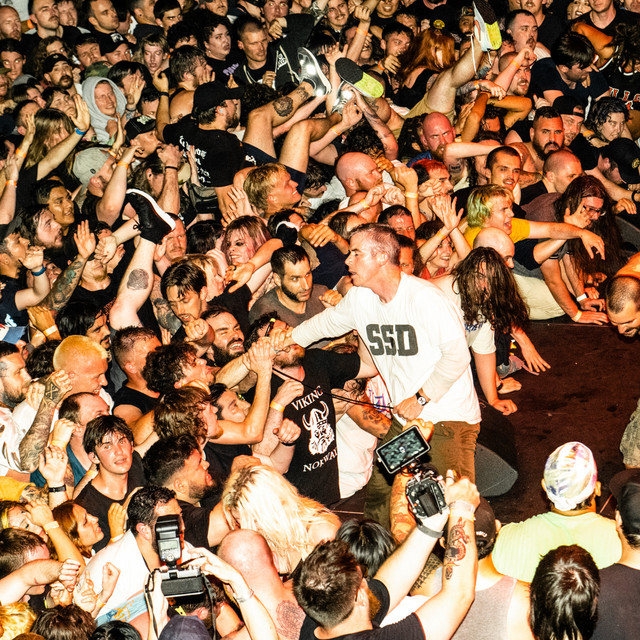
Positive hardcore, also called posicore or posi-core, is a branch of hardcore punk defined less by a single musical formula than by its social outlook. Its bands span different musical styles but share an emphasis on positive engagement with their community.
Lyrics and scene values commonly address inclusion, unity and non-violence. The style emerged in opposition to violence and negativity within the straight edge scene; its early advocacy of these values put it at odds with hardliners who rejected them.
History
Early development
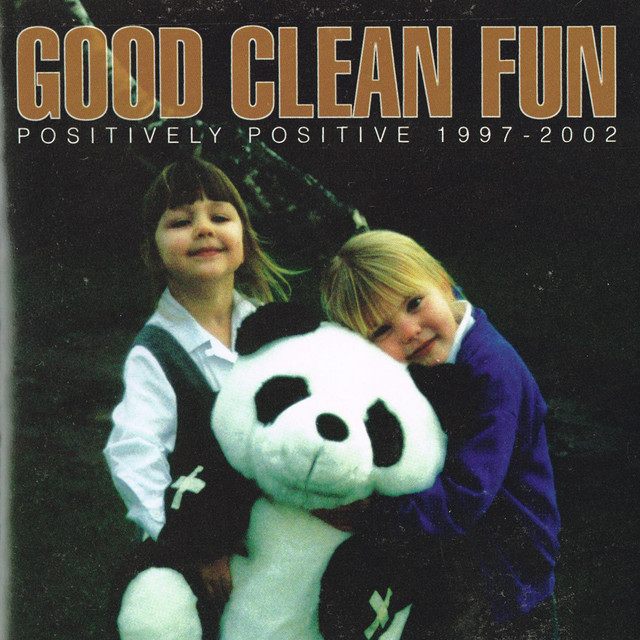
The term positive hardcore was coined in the 1980s. It described a response to violence and negativity in the straight edge scene, while encompassing bands with differing musical approaches. Among the groups associated with it are 7 Seconds, Youth of Today, Good Clean Fun and The Wonder Years.
Themes and later revival
In the 1980s and 1990s, early bands addressed non-violence, scene unity and the treatment of LGBT people within hardcore punk. Hardliners rejected these concerns.
A revival followed from the late 2000s into the 2010s. Rather than responding primarily to hardline, this later wave reacted against the prominence of metalcore bands in the scene.
Start with the message
Build the song around a social concern or a constructive scene value. You could write about inclusion, community, non-violence or solidarity, using a direct lyric that gives listeners a clear idea to rally around. Positive hardcore covers several musical approaches, so the theme need not dictate one fixed sound.
Shape a hardcore arrangement
As a starting point drawn from hardcore punk, you could use distorted guitar, bass and drums to make a forceful, compact arrangement. Try a prominent repeated riff and an emphatic vocal delivery, then give the central message a memorable refrain. Adjust the intensity and texture to suit the song rather than treating those choices as a rigid formula for the style.