Description
Progressive deathcore is a dense, aggressive form of extreme metal built on down-tuned guitar chugs, rapid double-kick drumming and harsh vocals. The name is used by Every Noise at Once, Spotify’s artist genre labels and the playlist The Sound of Progressive Deathcore, though writing about the style is scarce.
The music moves between frantic passages and slower, syncopated breakdowns, with guitars and drums locking together for abrupt rhythmic stops. Low guttural growls alternate with high, rasping screams; the words are often difficult to make out, although many tracks sound as if they are in English. Dissonant low-register riffs take priority over conventional chord progressions, sometimes punctuated by piercing guitar squeals.
The sound is close to deathcore and death metal, with the tightly controlled, syncopated guitar attack also recalling djent. Distorted bass reinforces the guitars, while atmospheric or electronic layers can sit behind the band. Production tends to be loud and heavily compressed, with wide guitars, sharply defined drums and distortion that cuts off cleanly between notes. The mood is often menacing and chaotic. Many releases associated with the style are from the mid-to-late 2010s; titles such as “Perennial Agony” and “World Demise” reinforce its bleak atmosphere.
Based on: Every Noise at Once, Spotify's genre tags and playlist

Top 10 Djentcore/ Progressive Deathcore bands
SwordXEvil
Build the riffs
Start with heavily distorted, down-tuned guitars and bass. Write dissonant, low-register, palm-muted patterns, prioritizing rhythm over conventional chord changes. Draw on death metal for the abrasive weight and on djent for precise, syncopated chugs.
Arrange the drums and breakdowns
Alternate fast double-kick passages and blast beats with slow, heavy breakdown grooves in the manner of deathcore. Lock the kick drum tightly to the guitar accents, and use short stops to make the transitions hit harder.
Vocals and production
Contrast deep guttural growls with high rasping screams. Keep the mix dense and forceful: spread the guitars wide, give the drums a sharp attack and use tight gating so the riffs stop cleanly. Subtle atmospheric or electronic layers can add depth without displacing the guitars.

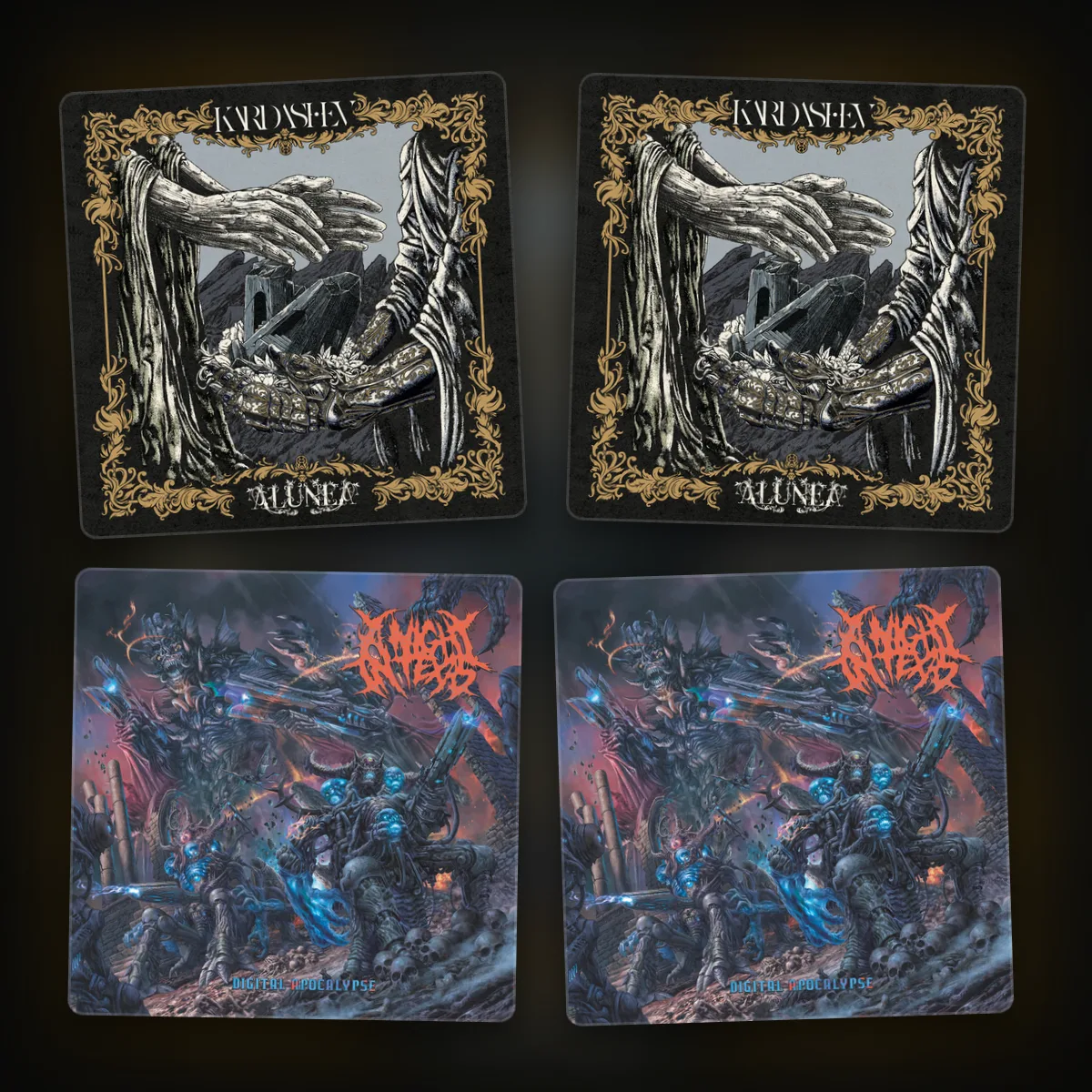
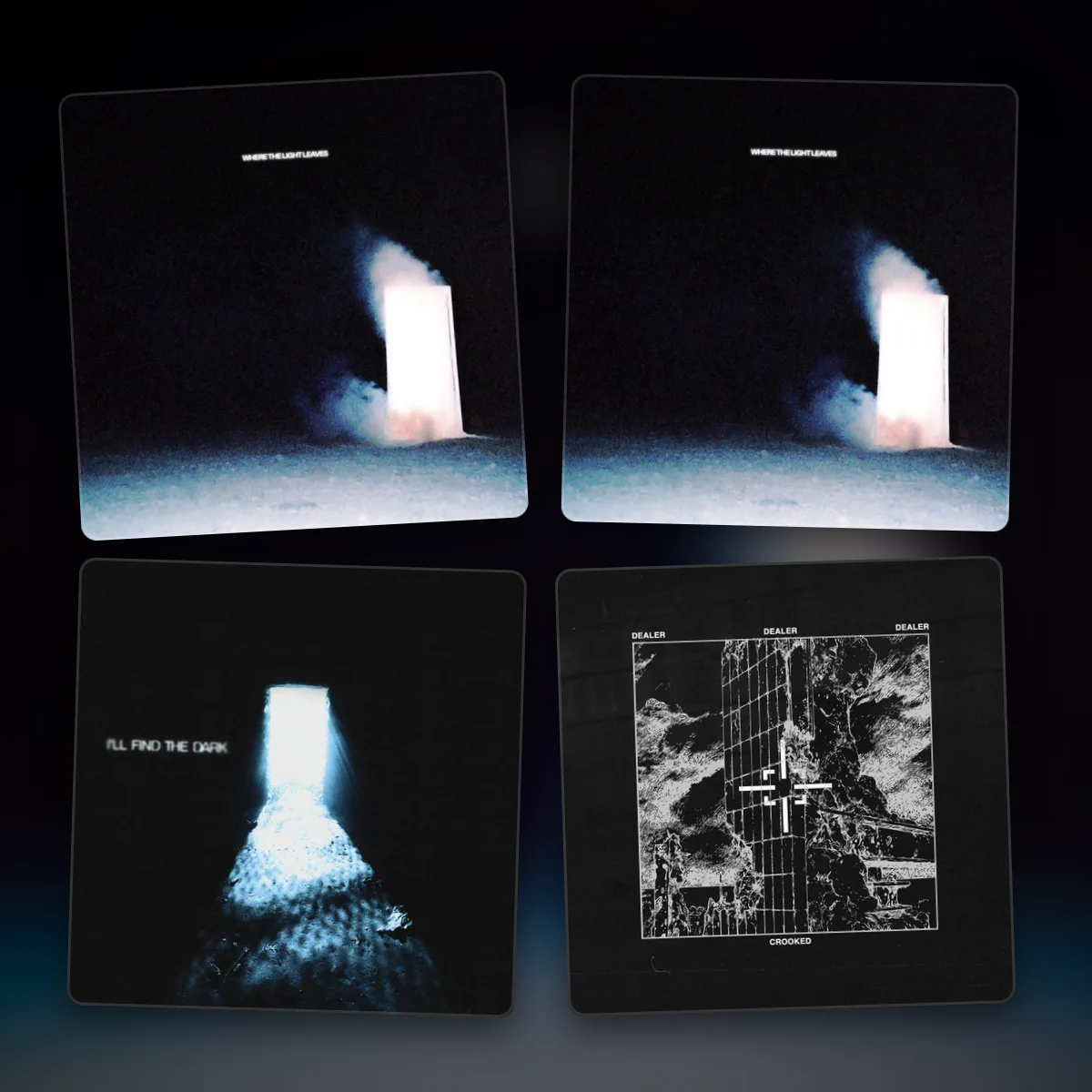
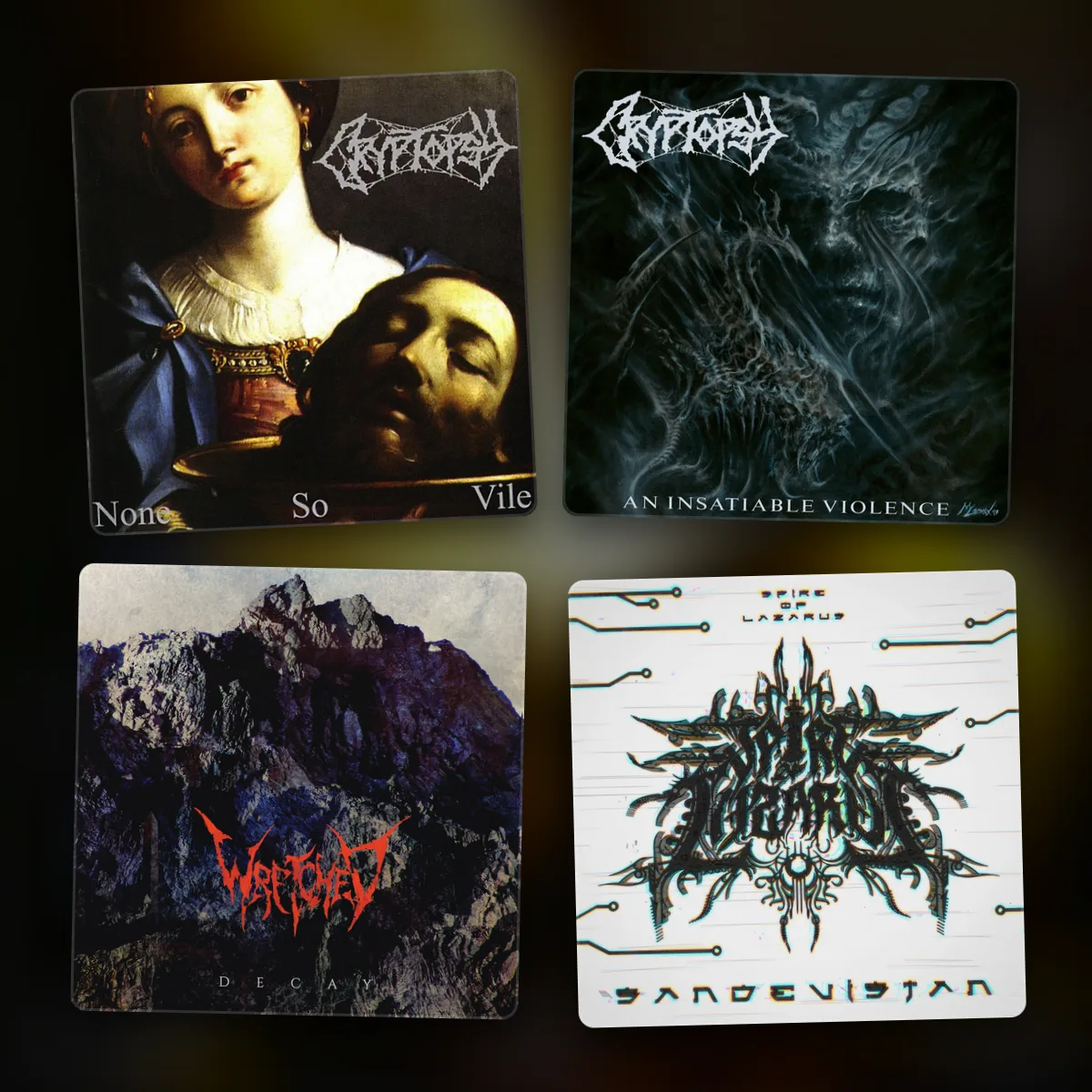
Top albums
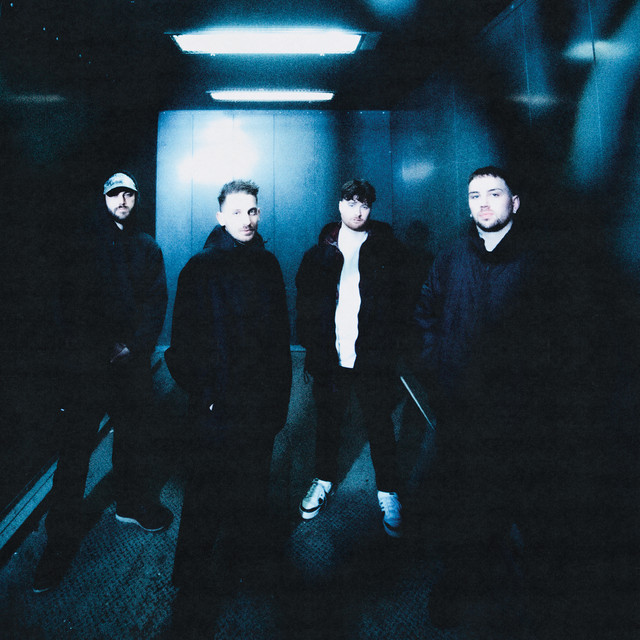
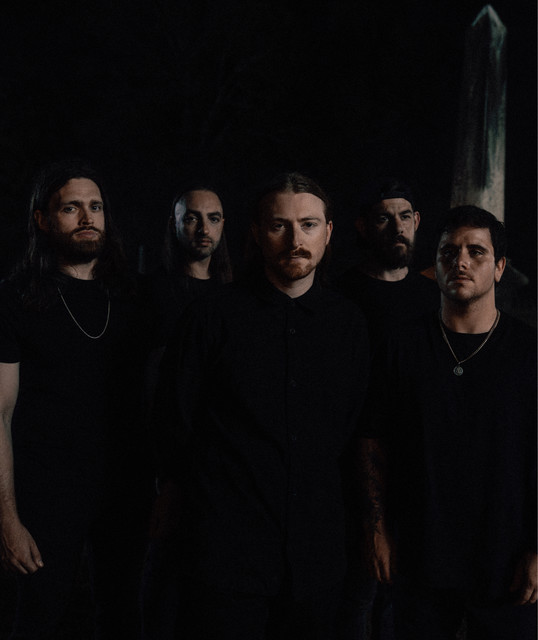


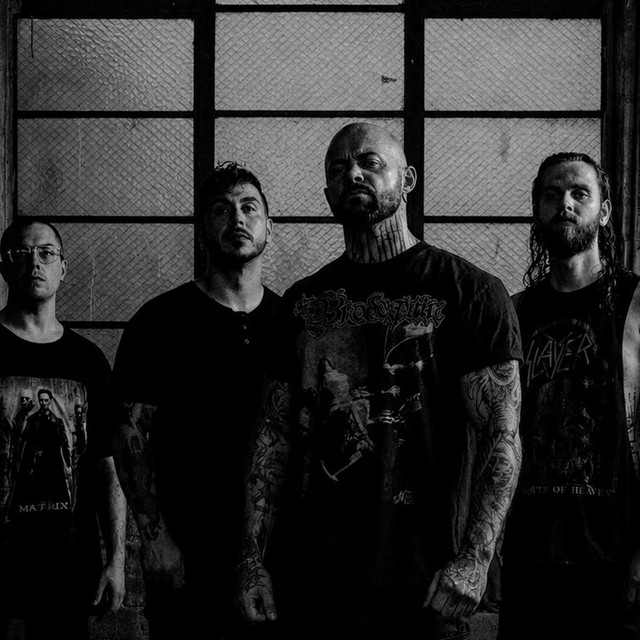
Best playlists
Progressive Deathcore
Melodigging
The Sound of Progressive Deathcore
Every Noise at Once
Progressive Deathcore
Chosic

DARK PROGRESSIVE METALCORE Like You’ve Never Heard Before!
HOLLOW FALLEN
Influenced by


Other similar genres
Genres sharing the most artists with Progressive Deathcore