Description
Distorted guitars, bass and hard-hitting drums give progressive groove metal a dense, aggressive sound, with riffs that can move from a heavy mid-tempo stomp to fast, relentless bursts. The term is used by Every Noise at Once, Spotify genre labels and the playlist “The Sound of Progressive Groove Metal”, but has scarcely any written description.
The music ranges from extreme metal with blast beats and guttural or shrieked vocals to synth-inflected heavy and power metal with more anthemic singing. Double-kick drumming often locks tightly with palm-muted guitar chugs, while syncopation, shifts in meter and sudden changes of pace add to the tension. Minor-key and chromatic riffs give much of the music a dark edge, though soaring vocal and synthesizer melodies can bring a more dramatic feel. Vocals range from growls and screams to gritty or forceful clean singing; English lyrics are common.
Groove metal’s weighty, syncopated riffs meet progressive metal’s intricate arrangements, with some of the tight, low-tuned chug associated with djent. Synthesizers can sit behind the guitars as atmospheric or orchestral layers, or come forward with bright, rapid melodies. Production is often dense and polished, with wide guitars and punchy drums. Much of the playlist’s music comes from the 2010s, and titles such as “The Paradox of Suffering” and “Reborn Through Hate” suggest themes of conflict and struggle.
Based on: Every Noise at Once, Spotify's genre tags and playlist

Top 10 Progressive Metal Bands
Jordan Carver

10 Best Groovemetal Bands. Full video. METALLLISTICA version! #rockmusic #metalmusic
Metalllistica
Build the riffs
Start with a heavily distorted guitar and bass foundation. Draw on groove metal for weighty, palm-muted riffs, and on djent for tightly articulated, syncopated chugs. Use minor-key power chords and chromatic movement to create tension.
Shape the rhythm
Lock the kick drum to the guitar accents, adding forceful cymbals and double-kick patterns. Contrast fast passages with a slower-feeling breakdown or a brief stop. Progressive metal offers a model for developing riffs through changes in meter and arrangement rather than repeating them unchanged.
Add voices and texture
Choose between harsh screams or growls and gritty, forceful clean singing; a soaring melody can provide contrast to the more rhythmic riffs. Layer synthesizer pads or orchestral textures behind the band, or bring a bright arpeggiated line forward. Aim for a dense mix with wide guitars and punchy drums.

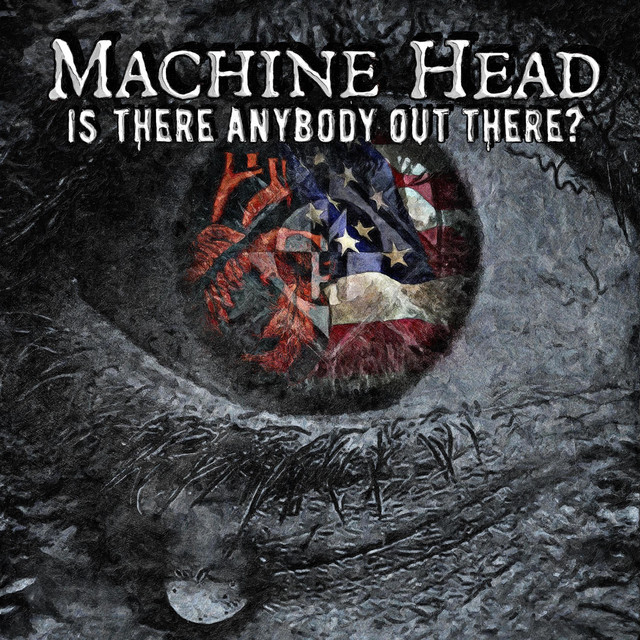
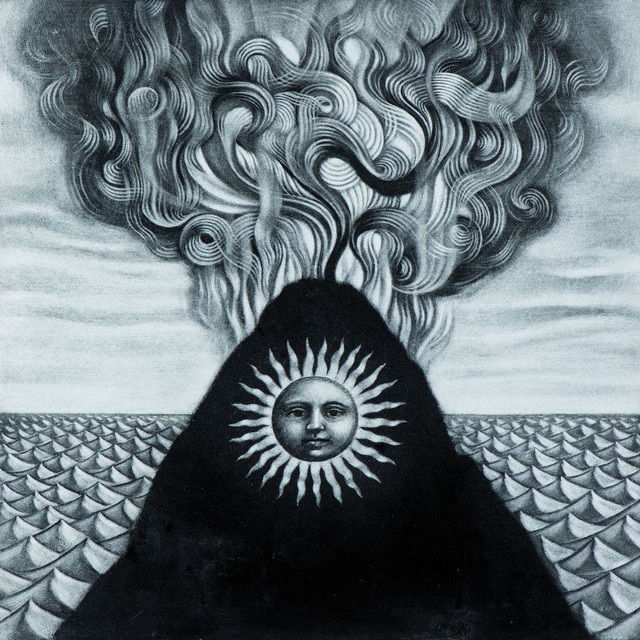
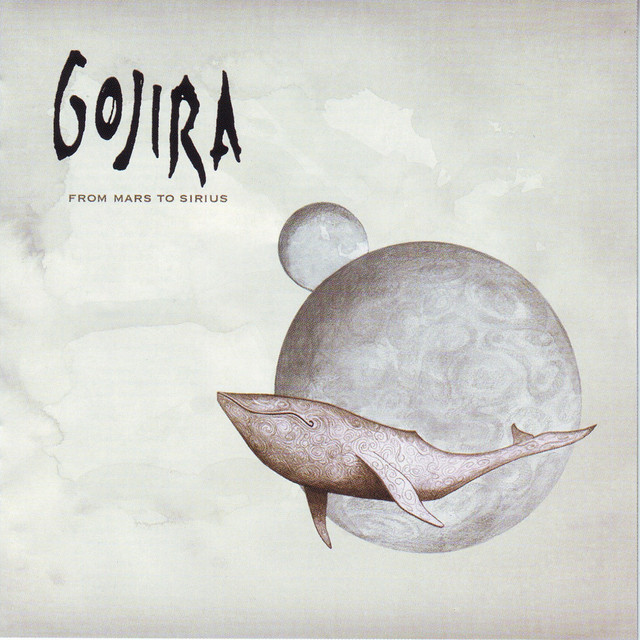
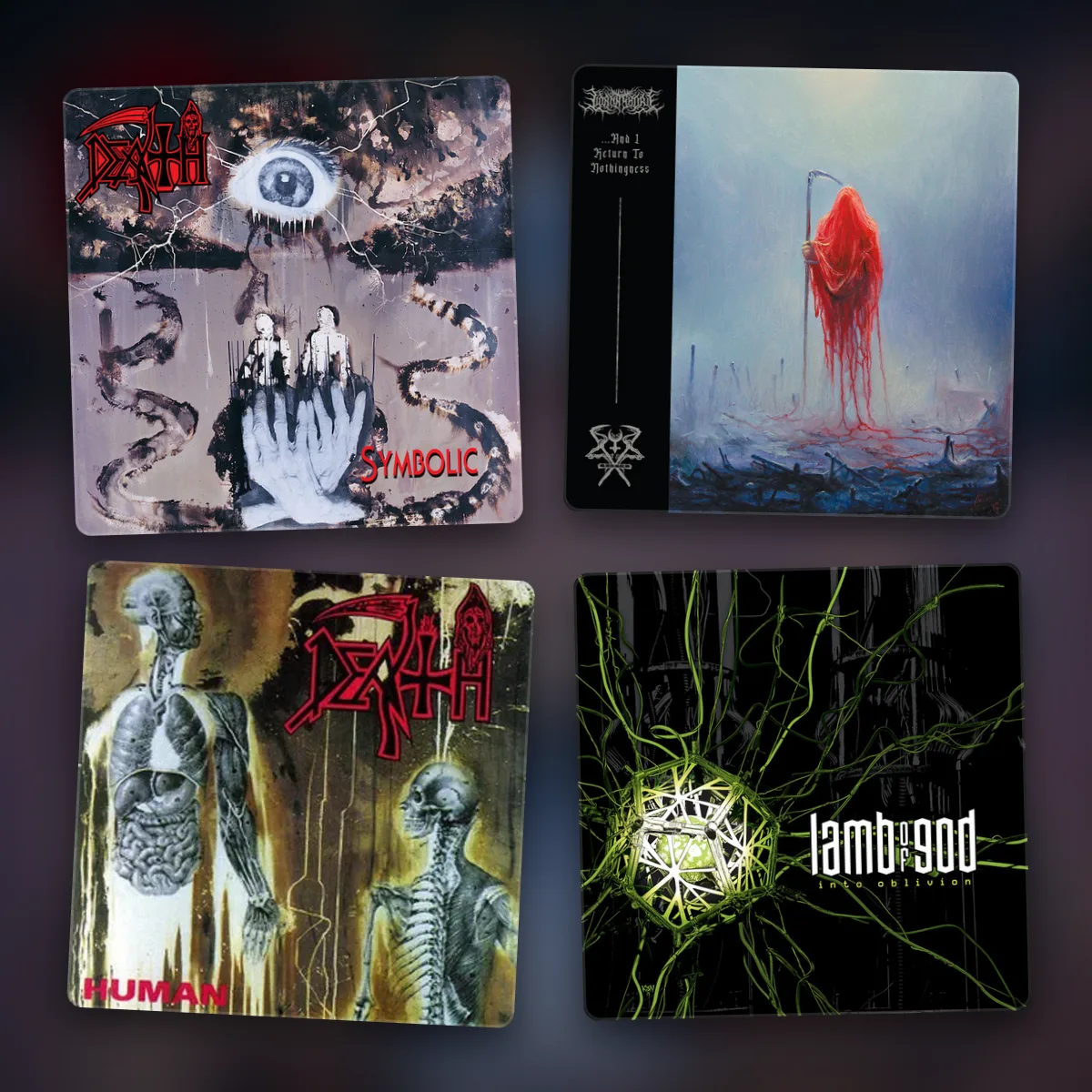
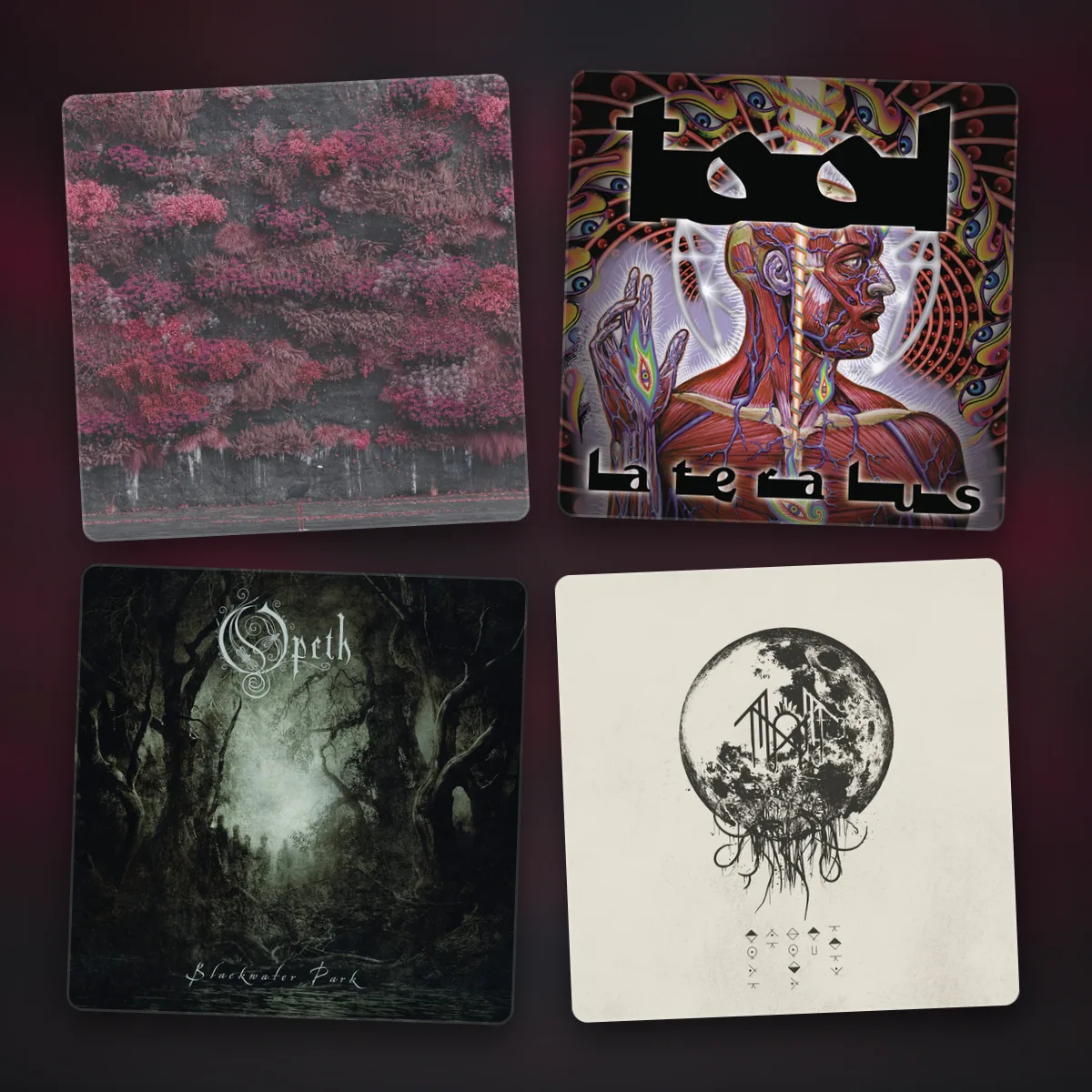
Top albums



Best playlists
Progressive Groove Metal
Melodigging

The Sound of Progressive Groove Metal
Every Noise at Once
Progressive Groove Metal
Chosic

Best of Progressive Groove Metal
volt.fm

Programming Metal - Extreme Metal Music for Coding & Hacking | Deathcore, Djent, Groove Metal
Music Farm
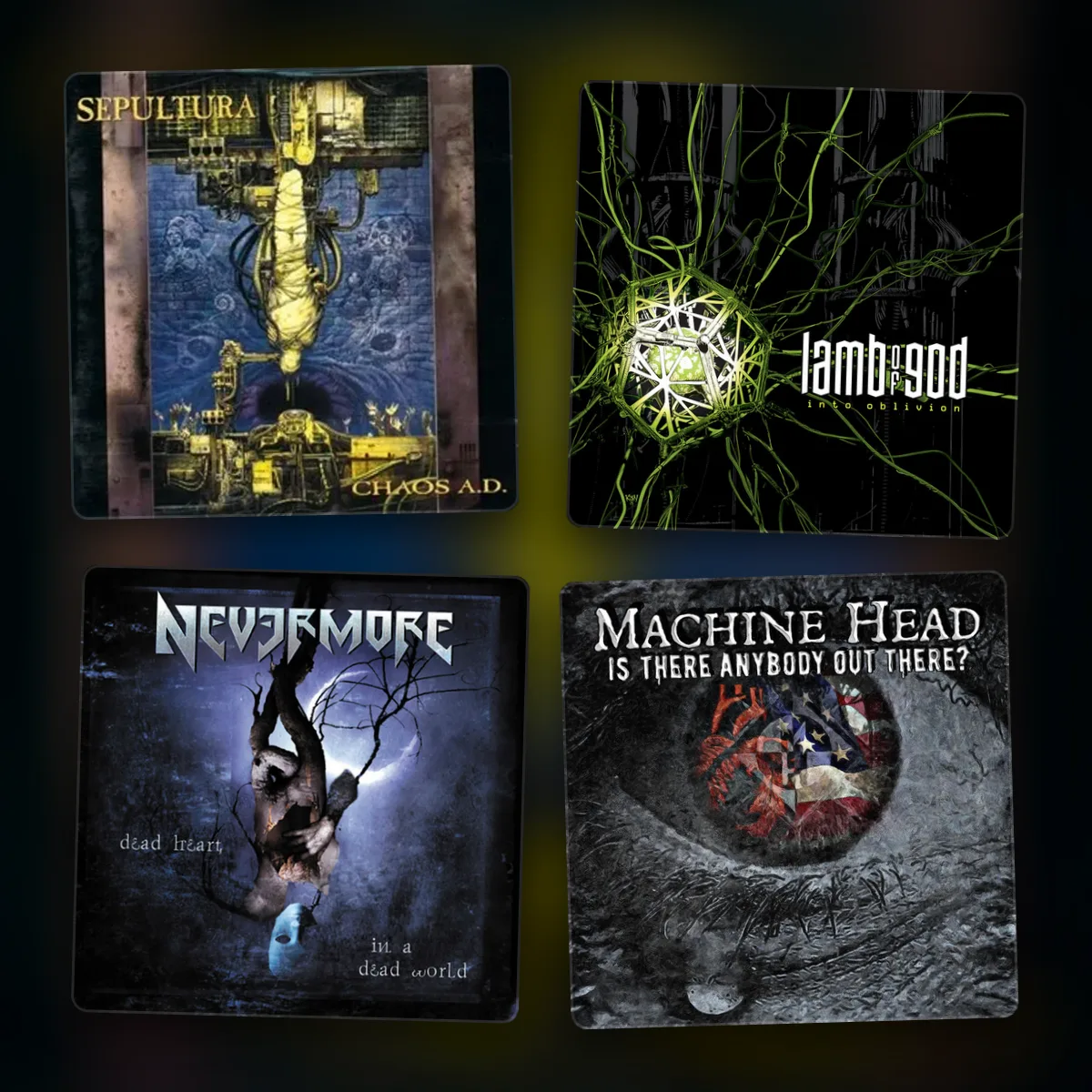
Influenced by


Other similar genres
Genres sharing the most artists with Progressive Groove Metal