Description
Progressive post-hardcore approaches post-hardcore through experimental structures, complex instrumentation and intricate guitar playing. Rather than relying on a predictable verse-and-chorus pattern, it can move abruptly between tempos, irregular meters and contrasting textures.
Swancore, a related strand, combines progressive rock and post-hardcore with technical guitar techniques, including tapping, intricate riffs and arpeggios. Its arrangements can connect aggressive and melodic passages as well as unclean and clean vocals.
Based on: madsound.com.br, classapps.chass.ncsu.edu
More on: MusicBrainz, Every Noise at Once

What’s Swancore?
blustre

TOP 5 ESSENTIAL PUNK & HARDCORE ALBUMS (@redscrollrecords)
Fantano Shorts

Top 10s: Metalcore CLEAN Vocalists #metalcore
RankEm

what is “hardcore”? #music
blustre
History
Emergence
Progressive post-hardcore emerged broadly around the 2000s as a more experimental approach to post-hardcore. Its emphasis on complex playing and departures from familiar song forms placed stylistic change at the center of the music.
Swancore and debate
Swancore also emerged in the 2000s, developing a blend of progressive rock and post-hardcore. Some purists resist stylistic changes, whereas the progressive approach emphasizes moving beyond conventional song structures.
Build the arrangement
Begin with a post-hardcore foundation, then experiment with the order and length of sections rather than repeating a fixed verse-and-chorus plan. Develop contrasts between aggressive and melodic passages; abrupt tempo changes and irregular meters can make the transitions less predictable.
Develop guitars and vocals
Write intricate riffs and arpeggiated figures, and try tapping passages inspired by math rock. Treat these techniques as parts of the arrangement rather than continuous displays of virtuosity. For a Swancore-oriented approach, explore transitions between unclean and clean vocals, varying their placement as the instrumental sections change.

10 Levels Of Post-Hardcore (FEAT. Monte Money of Beyond Unbroken, ex: Escape The Fate)
Nik Nocturnal

How To: Make a Post-Hardcore Song in 6 Min or Less (+ Full Song at the End) || Shady Cicada
Shady Cicada
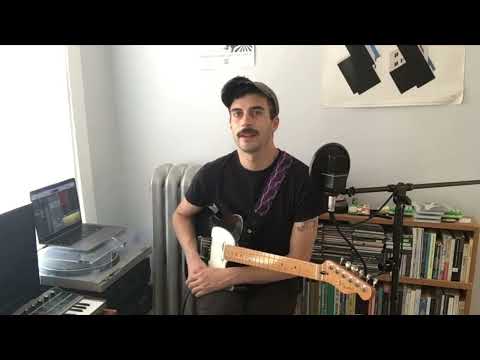
Improving Screamo/Post-Hardcore Progressions: Stop Thinking About Chords
Jam Econo

DADGAE is the HEAVIEST Tuning (Screamo, Mathcore, Post-Hardcore)
Freddy from dear Maryanne (cue)

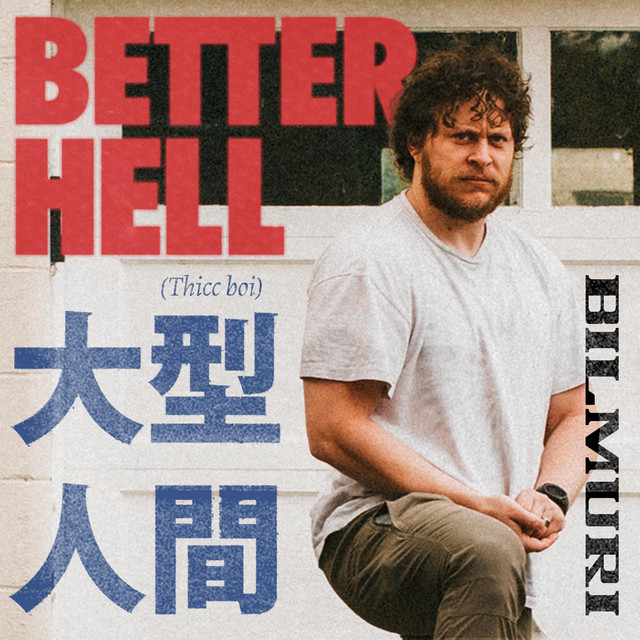
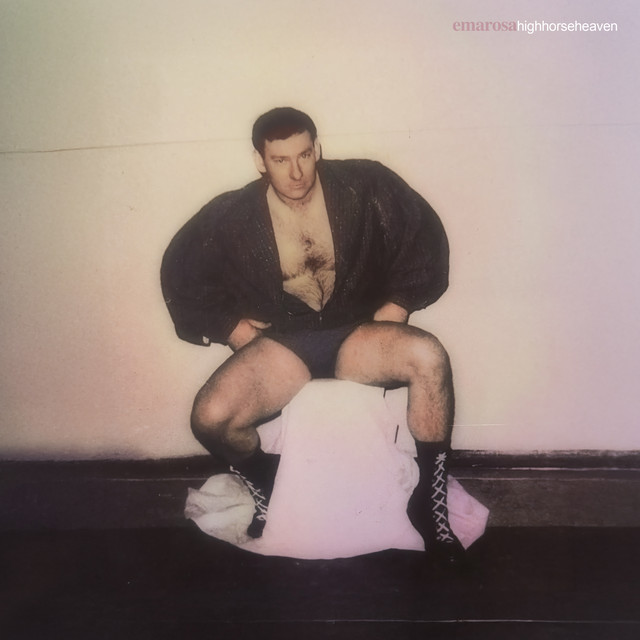
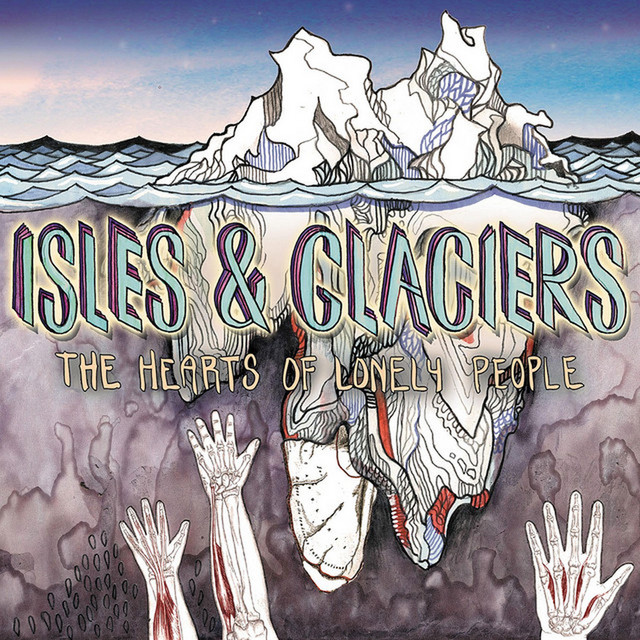
Top albums



Best playlists

Influenced by


Other similar genres
Genres sharing the most artists with Progressive Post-Hardcore