Description
Psychobilly is a high-octane fusion of 1950s rockabilly and late‑1970s punk rock, spiked with horror, sci‑fi, and B‑movie aesthetics. It is defined by twangy, reverb‑drenched guitars, an aggressively slapped upright (double) bass, and breakneck drums that push songs toward punk tempos.
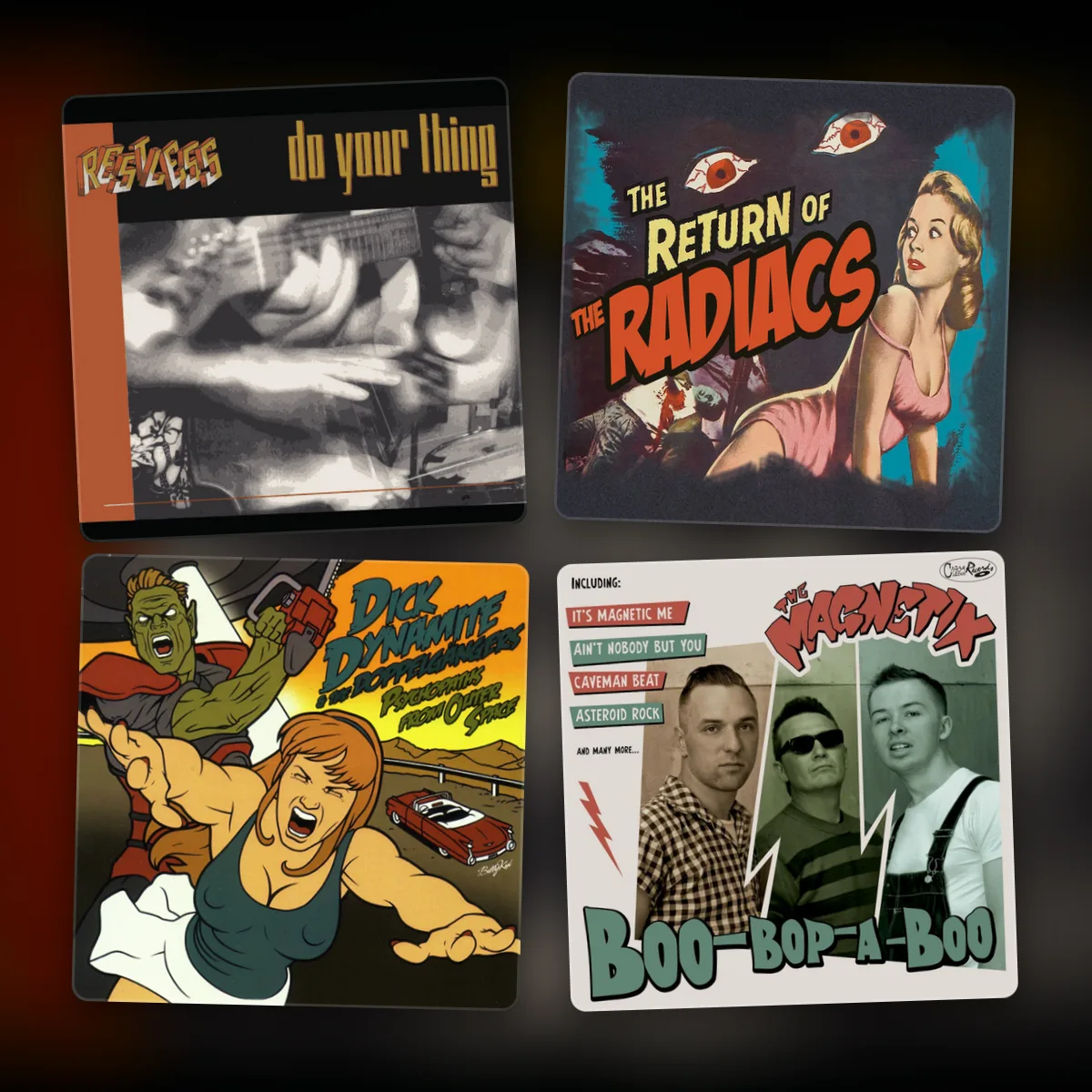
The style’s sound balances the swing and I‑IV‑V DNA of rockabilly with punk’s distortion, attitude, and shout‑along choruses. Lyrics typically revel in campy macabre imagery—monsters, hot rods, graveyards, radioactive romance—delivered with a snarling, tongue‑in‑cheek theatricality. Onstage, pompadours, quiffs, tattoos, coffin imagery, and the signature “wrecking” pit-dance complete a subcultural identity that is both retro and transgressive.
While rooted in the United Kingdom scene of the early 1980s, psychobilly rapidly spread across Europe and the United States, cultivating a global circuit of dedicated bands, labels, and festivals.
More on: Wikipedia, Rate Your Music, Discogs, MusicBrainz, Aesthetics Wiki, Every Noise at Once, Wikidata
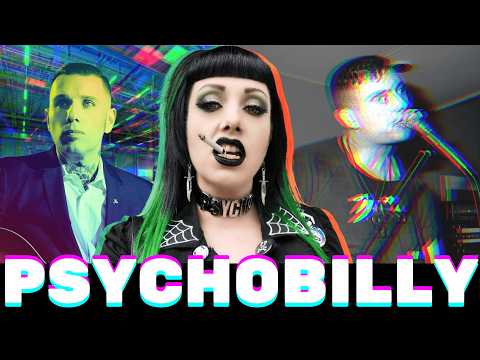
The Rise, Fall and Undeath of Psychobilly
eclecticism

its my top 10 Psychobilly bands
smallchick451
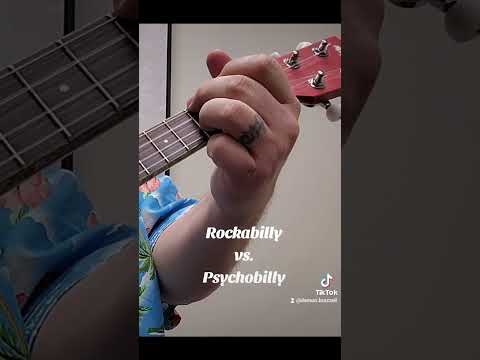
The difference between rockabilly and psychobilly in 20 seconds.
Damon Brazzell Ukesploitation

Thie History And Importance Of Psychobilly - Music School
The Daily Guru
History
Origins (late 1970s–early 1980s)
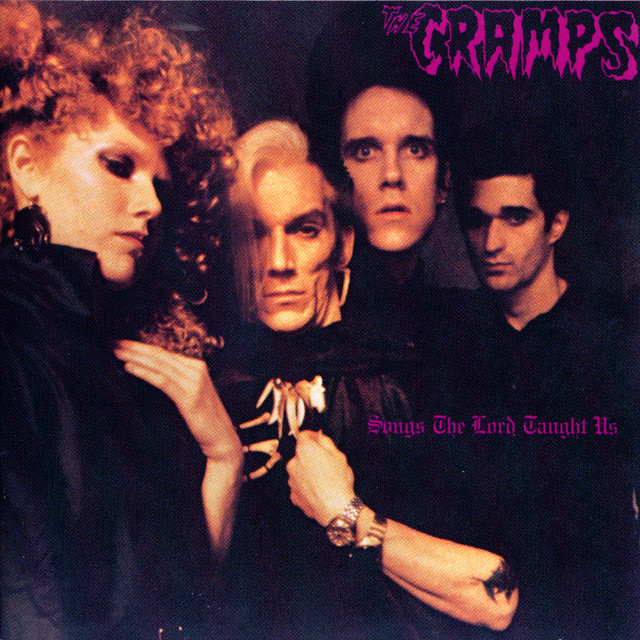
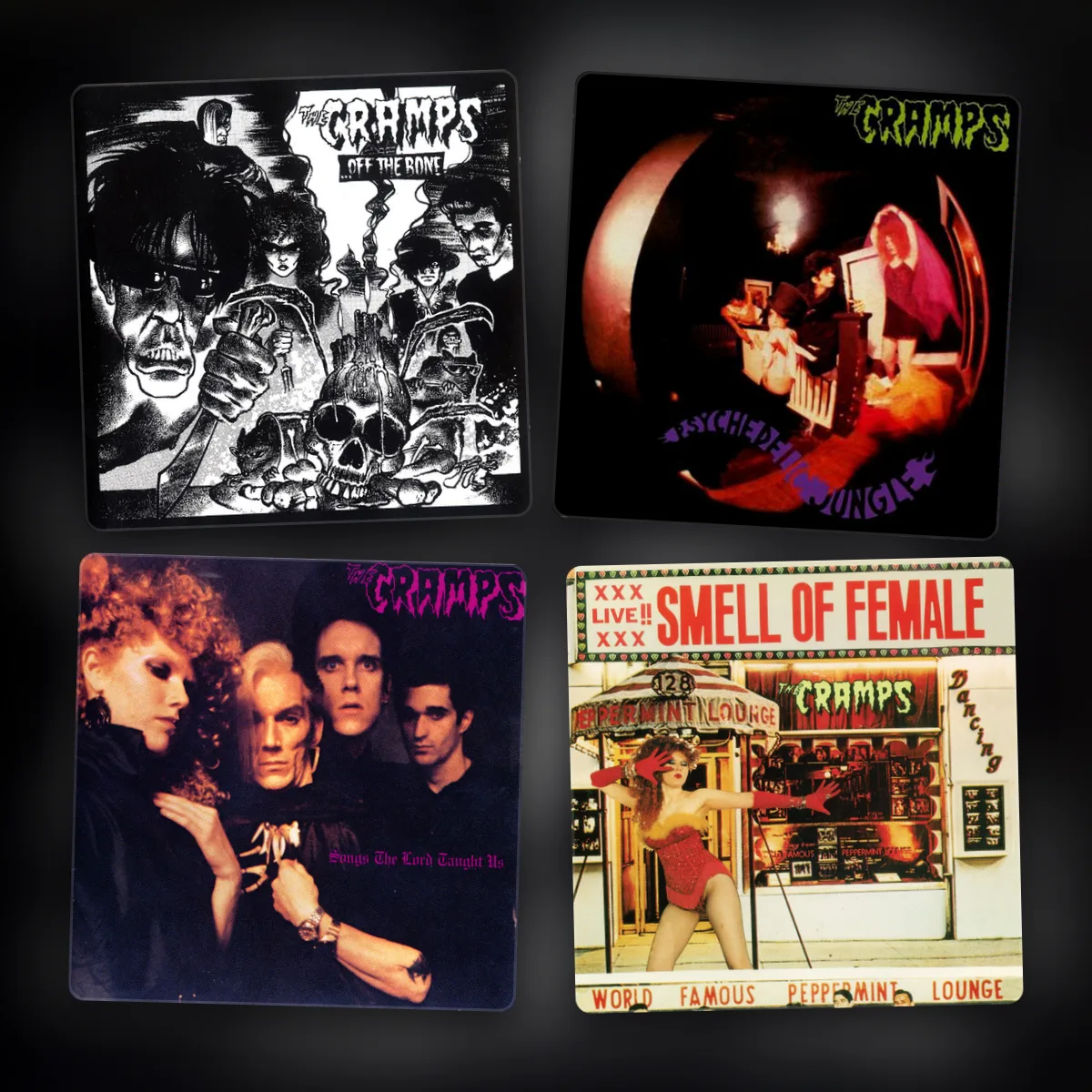
Psychobilly emerged from the collision of 1950s rockabilly revivalism and the first wave of punk. The Cramps in the United States pioneered a wild, horror‑soaked take on rockabilly in the late 1970s, while the United Kingdom provided the scene infrastructure and the term’s consolidation. London’s The Meteors, formed in 1980, are widely credited as the first self‑identified psychobilly band, codifying the genre’s sonic markers—slap‑bass propulsion, twang‑and‑tremolo guitars, and punk energy—along with macabre humor.
Klub Foot and the UK scene (1980s)
Through venues like the Klub Foot at the Clarendon Hotel in Hammersmith, a tight UK scene coalesced. Bands such as Guana Batz, Demented Are Go, The Sting‑Rays, and Frenzy helped define the look and sound: towering quiffs, upright basses used almost percussively, and frantic pits known as “wrecking.” European groups including Batmobile (Netherlands) and Mad Sin (Germany) spread the style across the continent.
Global expansion (1990s–2000s)
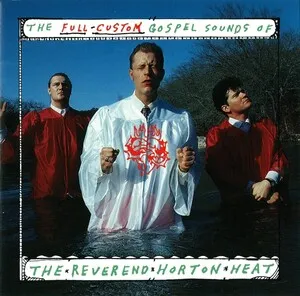
The 1990s introduced wider crossover and international growth. In the US, Reverend Horton Heat bridged rockabilly, punk, and alt‑rock circuits, while Danish act Nekromantix pushed a darker, more theatrical sound. The 2000s saw Tiger Army bring psychobilly aesthetics to punk and alternative festival audiences, cementing the genre’s visibility.
Festivals, scenes, and continuity (2000s–present)
A robust global network of festivals—such as Spain’s Psychobilly Meeting (Pineda de Mar) and Germany’s Satanic Stomp—sustains the culture. New waves of bands continue to refresh the formula, blending surf, garage, goth‑tinged atmospheres, and even metal edges while preserving the core: slap‑bass locomotion, haunted humor, and retro‑modern swagger.
Core instrumentation
• Upright (double) bass with aggressive slap technique (percussive “clicks” plus fundamental notes).
• Hollow‑body or Tele/Gretsch‑style electric guitar with spring reverb, tremolo picking, and slapback echo.
• Drum kit with tight snare backbeats, ride/hi‑hat drive, and frequent train‑beat or straight‑8 punk patterns.
Rhythm and tempo
• Common tempos range from fast rockabilly (140–160 BPM) to punk speeds (180–220 BPM).
• Alternate between swing/shuffle feels and straight‑8 punk drives; use stops, turnarounds, and push‑accents to add drama.
Harmony and melody
• Lean on rockabilly DNA: I–IV–V (12‑bar blues variants), quick IV changes, and turnarounds; add bVI–V or bVII–I punky cadences for grit.
• Use chromatic runs, double‑stop guitar licks, and surf‑style minor riffs to inject menace and kitsch‑horror color.
Arrangement and sound design
• Trio format (guitar, upright bass, drums) is standard; add second guitar or minimal keys for texture.
• Prioritize slapback delay on vocals and guitar; emphasize the upright’s percussive transients in the mix.
• Keep tones raw and lively: moderate overdrive on guitar, bright click on bass, punchy snare with room ambience.
Lyrics and delivery
• Embrace camp horror, B‑movies, hot rods, graveyards, and sci‑fi tropes with tongue‑in‑cheek humor.
• Vocals are snarky, shouted or crooned with swagger; gang shouts and “whoa‑oh” hooks fit well.
Performance ethos
• Project kinetic energy suitable for “wrecking” pits; tight stops, synchronized hits, and theatrical cues amplify impact.
• Visuals (pompadours, vintage attire, monster iconography) reinforce the subculture without overshadowing tight musicianship.

Learn This Easy Cramps Riff!
DEATHRAYCAT

Psychobilly Chord Progression Lesson
Adrian Whyte

Psychobilly Guitar Lesson - The Meteors - Wrecking Crew
DEATHRAYCAT

Easy Psychobilly Guitar Tutorial “Mad at You” Batmobile Full song Lesson - Adrian Whyte
Adrian Whyte

Top albums

Best playlists


Influenced by
Has influenced
Other similar genres
Genres sharing the most artists with Psychobilly