Description
Queer country brings LGBTQ+ perspectives into country music, though artists and scholars do not all agree on whether it is a distinct genre or a wider musical category. It can use familiar country chords and themes such as love, marriage and heartbreak while changing the gender assumptions embedded in their telling.
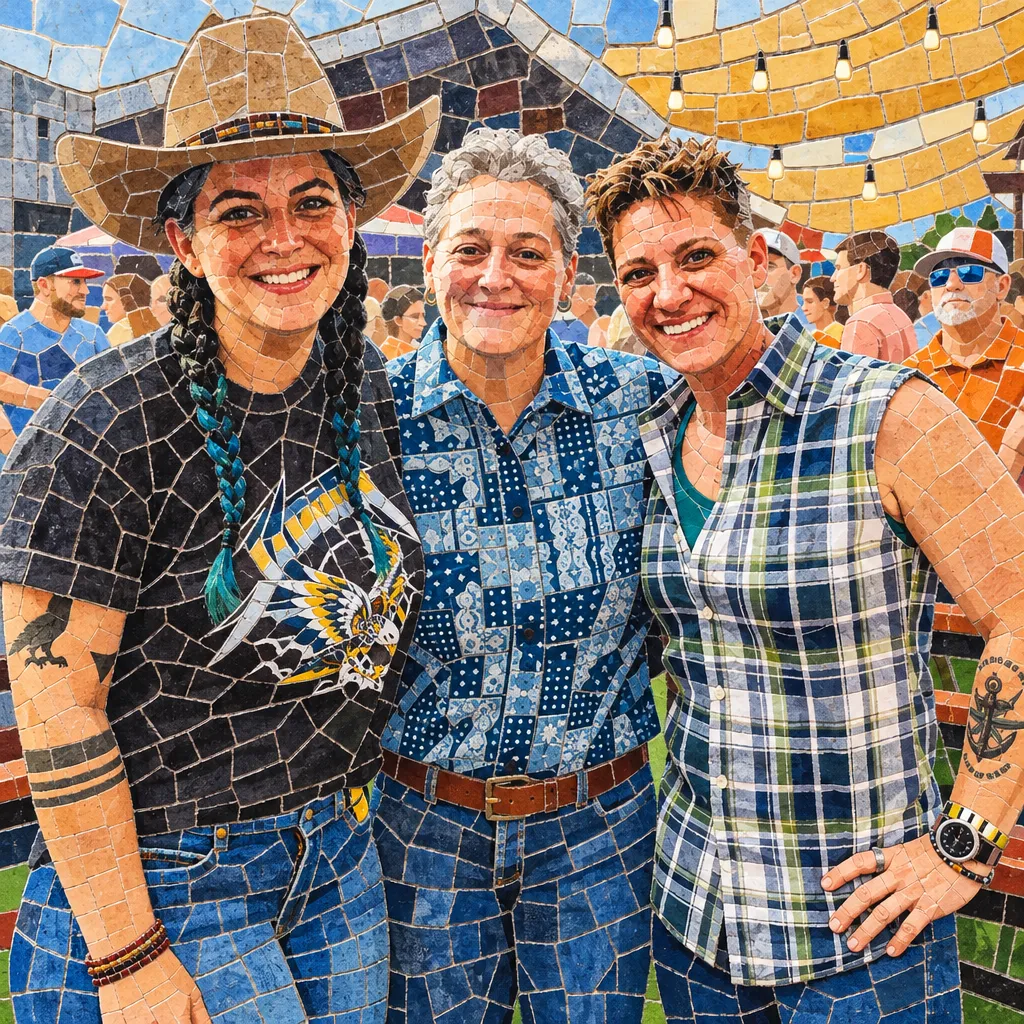
Its approaches vary: some songs are explicit about queer experience, while others are less overt. Adeem the Artist describes queer country as politically confrontational and sometimes raunchy; scholar Goldin-Perschbacher, by contrast, regards it as a category rather than a genre in its own right. The music can also be part of a social dance setting.
Based on: grammy.com, curvemag.com, news.wttw.com, washingtonblade.com
More on: Every Noise at Once

The History of Gay Country Representation in 5 Songs
Wide Open Country

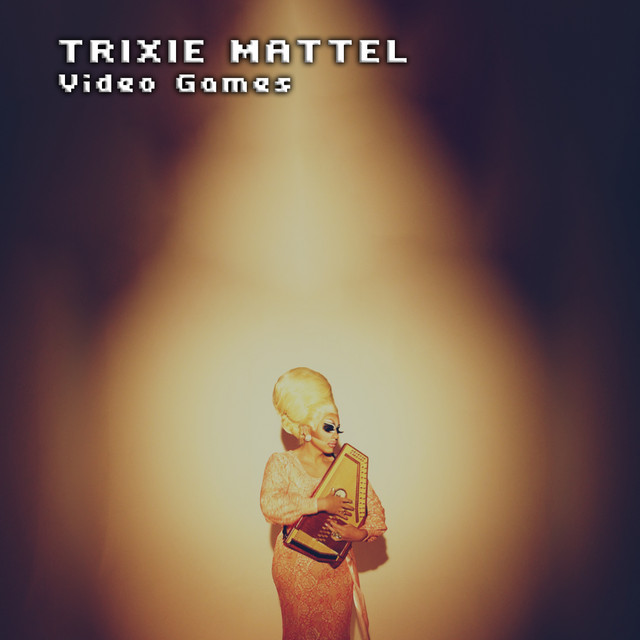
The History of Queer Country Music | from Lavender Country to Trixie Mattel
Victoria Shell

The Erasure & Resurgence of Black & Queer Country Music
Victoria Shell
History
An early landmark
In 1973, Patrick Haggerty and Lavender Country released an album generally regarded as the first gay country album. Haggerty recorded it in Seattle and sought to portray gay life honestly.
A Brooklyn scene
In April 2011, Karen Pittelman and Gina Mamone organized the first Gay Ole Opry showcase at Public Assembly in Williamsburg, Brooklyn. It helped launch a network of queer country events, performers and supporters; other bands subsequently formed and joined the Brooklyn scene.
A growing category
Chicago has also developed a queer country scene, with performers including Marlowe, Andrew Sa and #QueerCountry Bandwagon. The term's boundaries remain open to debate: Adeem the Artist considers it a genre, while scholar Goldin-Perschbacher sees it as a musical category that can encompass artists associated with several styles.
Start with country songwriting
Use country-style chord progressions as a foundation and write from familiar subjects such as love, marriage or heartbreak. You could give those themes a queer perspective through the characters, pronouns or situations in the lyric. The subject need not be stated with the same degree of explicitness in every song.
Choose a lyrical stance
Decide whether the song should be intimate, playful or confrontational. Some queer country uses direct political language, raunchiness or deliberate discomfort; those are possible approaches rather than requirements. Let the point of view guide the balance between storytelling and a more direct address to the listener.
Arrange for the song
A common approach in country is to build an arrangement around the vocal and chord progression, adding instrumental parts that support the story rather than obscure it. You could also shape the rhythm for social dancing, or leave more space around the vocal for a reflective song.

Top albums

Best playlists


Other similar genres
Genres sharing the most artists with Queer Country