Description
Rage rap is a trap subgenre built around forceful rhythms and prominent synthesizer hooks. Short, repeating leads can be wide and bright or buzzing and abrasive, set against hard-hitting 808s and bass. Its combination of electronic dance music textures and trap percussion gives the music an energetic, often chaotic sound.
Vocals tend toward confrontation and intensity, using growls, yelps and repeated phrases; lyrics can be difficult to make out. Although the style is closely associated with underground rap, not everyone identified with it embraces the label: Ken Carson has expressed dislike of the term “rage.”
Based on: Wikipedia, complex.com, firebirdmagazine.com

Who Really Started Rage Beats?
mattyballz

الفرق بين الراب و ال rage rap !! #rap #راب_سين #اكسبلور #مروان_بابلو #ويجز #راب #marwanpablo #wegz
خمسينه راب
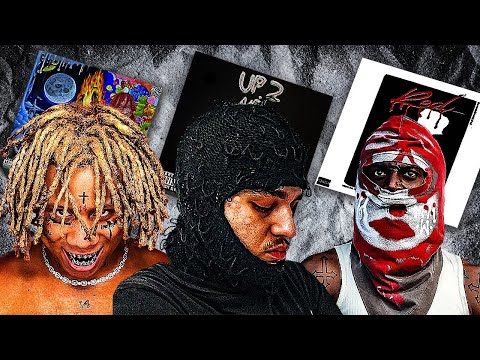
The History of Rage Music...
Goatmeal2x

The Evolution of Rage Rap 😡 (2020 - 2025)
RageRapArchive
History
Emergence
Rage rap emerged in the United States in the late 2010s as a development within trap. Playboi Carti and Trippie Redd were among its early pioneers. Its sound brought together hard trap rhythms with melodic and electronic influences, including future bass, hyperpop and cloud rap.
A named scene
The success of Playboi Carti’s Whole Lotta Red helped bring the subsequent underground scene into focus. The genre’s name is associated with “Miss the Rage,” a 2021 track by Trippie Redd and Playboi Carti; its title refers to the concert mosh pits Trippie Redd missed during COVID-19 lockdowns.
Underground connections
Rage became intertwined with other digital rap scenes, including jerk, plugg and digicore. Artists associated with its rise also include Ken Carson and Yeat, though the name itself has not been universally welcomed by performers in the scene.
Build the hook and beat
Start with a short synthesizer phrase that can repeat throughout the track. Try widening the lead in stereo and giving it a bright, buzzing edge; a simple, euphoric chord progression can make the hook contrast with the heavier percussion. Underneath, program an energetic trap rhythm and use a forceful 808 bass sound. Keep the hook prominent even if the arrangement becomes busy.
Shape the vocal
Try an aggressive, confrontational delivery, using changes in inflection, growls or yelps for emphasis. Repeat a compact phrase to give the track a memorable, crowd-ready focal point. The voice can be treated as part of the overall texture as well as a vehicle for clear lyrics.
Arrange for impact
Build momentum through repetition, then vary the density by bringing drums, bass or synth layers in and out. You could contrast a relatively exposed hook with a fuller, more chaotic section, while keeping the central loop recognizable.

learning how to make rage beat with mo beats (made pepe lore) #ragetypebeat #trippieredd #flstudio
shonci

How to make RAGE MELODIES!
Isaac Horner

How To Make Rage Beats in 2024
rly Beats

how to make rage beats #producer #flstudio
Geam

Top albums

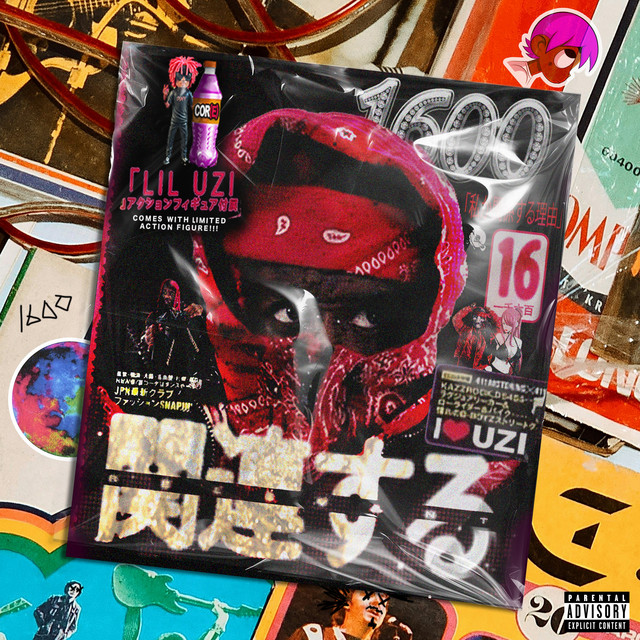
Best playlists


Influenced by



Other similar genres
Genres sharing the most artists with Rage Rap