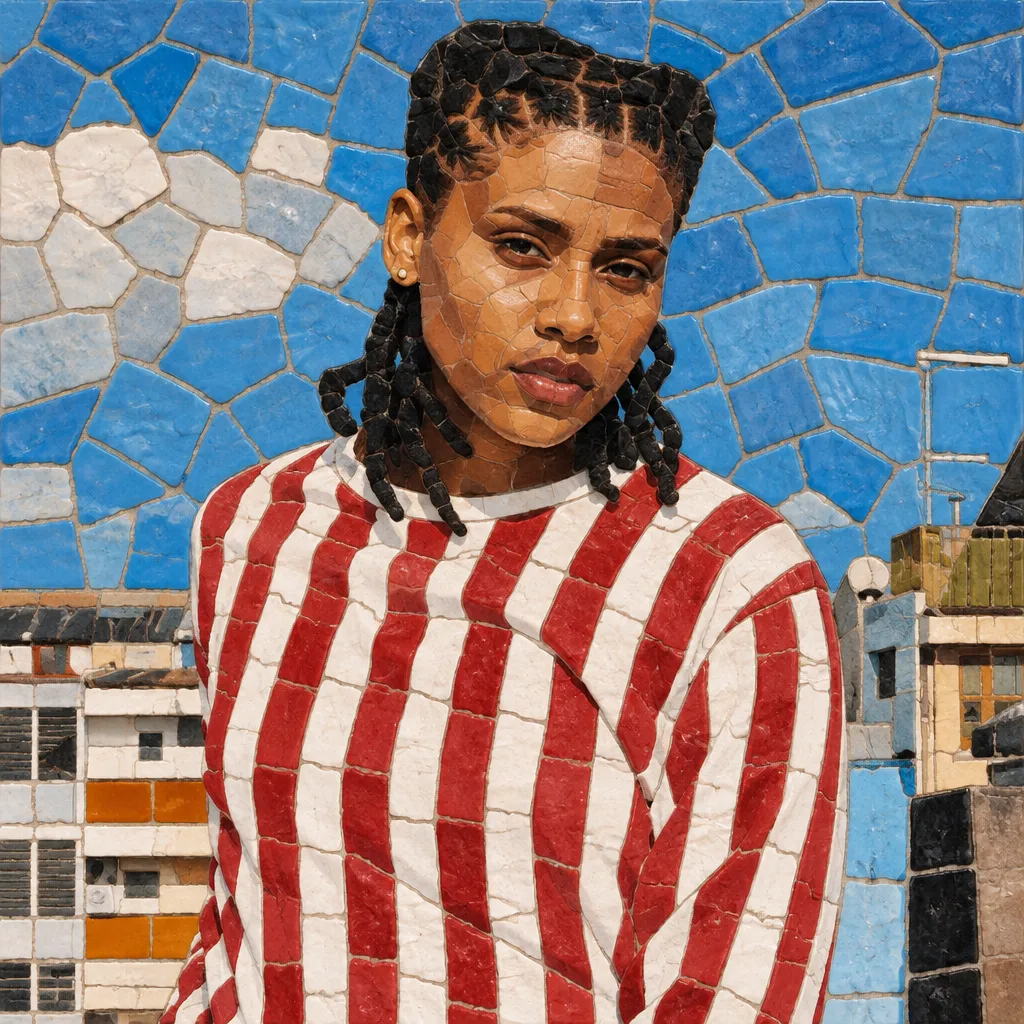
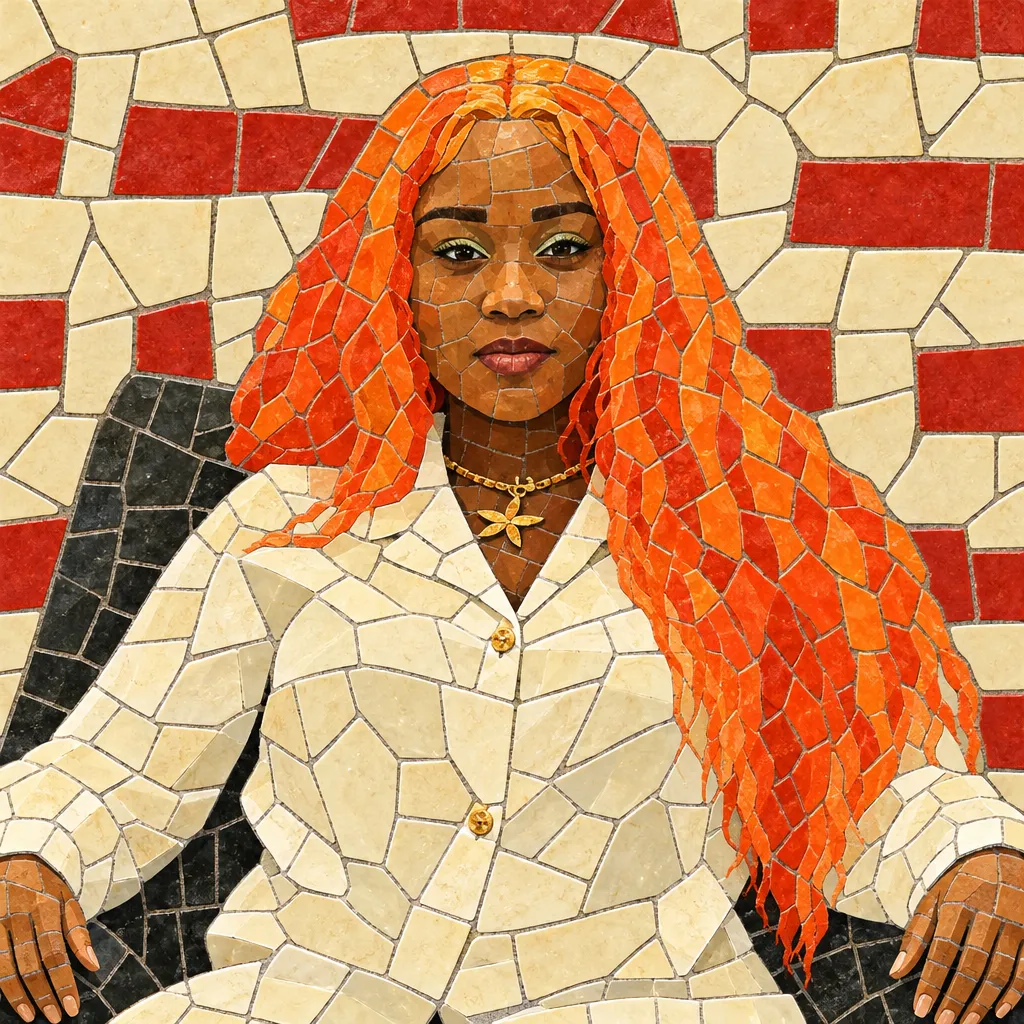
Description
Rap antillais brings rap into contact with the musical cultures of the French Caribbean. Rather than having a single fixed sound, it draws on a blend of Caribbean and North American influences, including dancehall, reggae, zouk, R&B and trap. Creole-language trap is one prominent strand.
Vocally, the music can move between Creole, French and other languages. Wordplay and rhythmic flow are important expressive resources, while lyrics can reflect local experience and identity. Some women artists also use Caribbean rap to offer a feminist counter-discourse.
Based on: 16mesures.com, www-actus.univ-ubs.fr, thebackpackerz.com
More on: Every Noise at Once

Le Créole dans la Music Urbaine │ITW @meryl270
Spykher
History
Early scene
Rap took root in the French Antilles in the early 1990s. Inspired in part by African American rappers, collectives formed in Martinique, where freestyle performances became part of street life in Fort-de-France. Rap developed alongside other urban styles, particularly dancehall and reggae.
Growth and exchange
From around 2005–2006, rap expanded its reach in the islands. Artists drew on a wide range of Caribbean, American and French influences, and the boundaries between urban styles were often fluid. In Guadeloupe, artists associated with a strongly rap-oriented approach include Fuckly, Shaolin and Misié Sadik.
Creole trap and newer voices
A local trap scene brought Creole lyrics and a strong sense of place to a wider audience, including listeners in metropolitan France. Local press has criticized some trap artists over illicit activities, while young island listeners have embraced music whose lyrics speak to their experience. Women in Caribbean rap have also used the form to develop a feminist counter-discourse.
Build from a blend
Start with a rap-centered idea and decide which Caribbean or related styles you want to bring into it. You could combine a dancehall-influenced rhythmic feel with the weight of a trap arrangement, or use touches associated with zouk or R&B. Keep the blend purposeful rather than trying to include every influence at once.
Shape the voice
Write for rhythmic delivery and experiment with wordplay. Creole, French and other languages can be combined where they suit the performer’s own expression. Try varying the flow across the beat and leaving spaces for particularly vivid lines to register.
Arrange the track
A common approach in trap is to build around a strong bass part, programmed drums and crisp hi-hat patterns. You could use that as a starting point, then adjust the groove and melodic layers to reflect the Caribbean influences you have chosen. Let the instrumental support the voice rather than crowding it.

Top albums
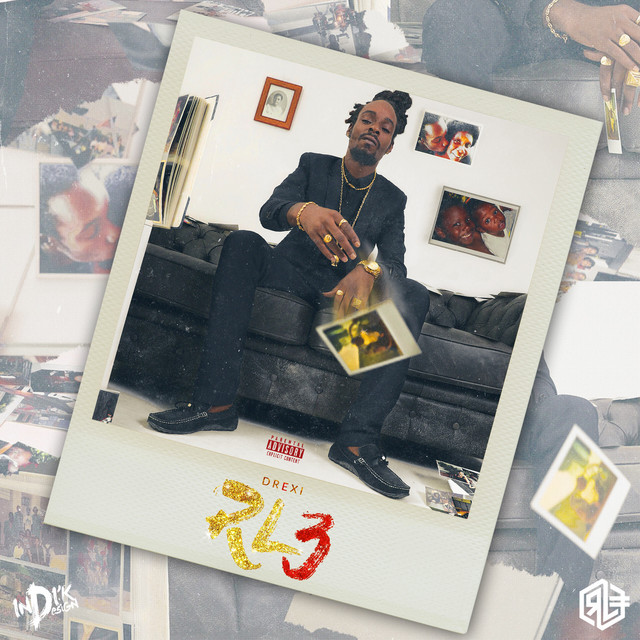
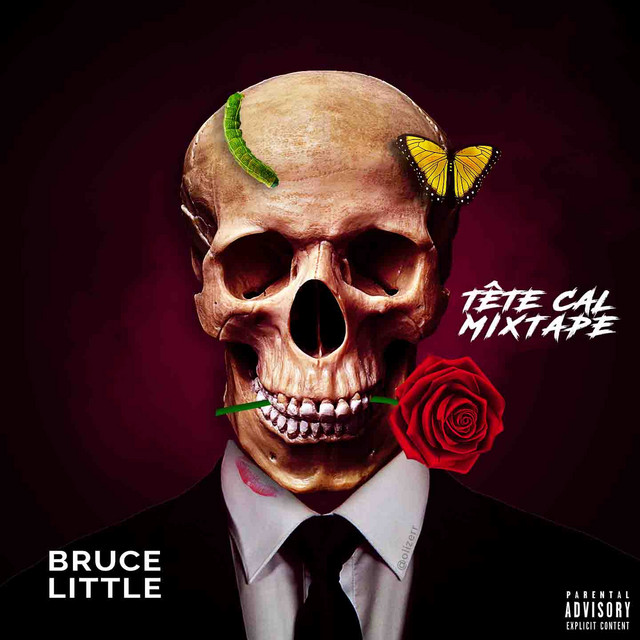

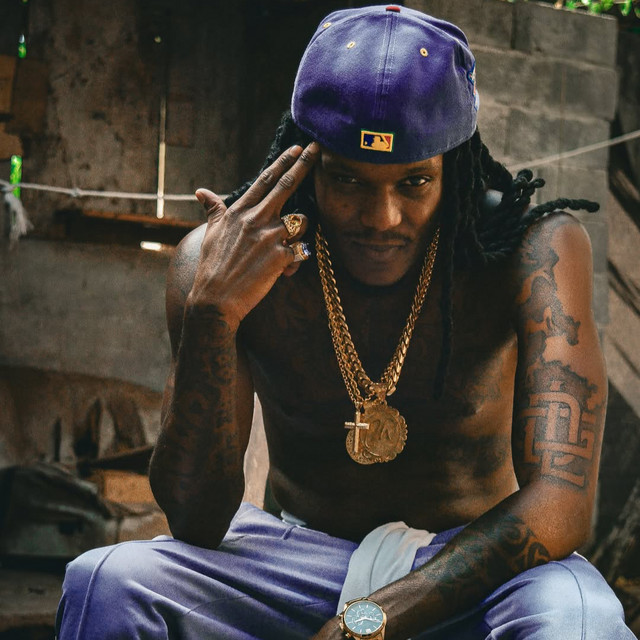

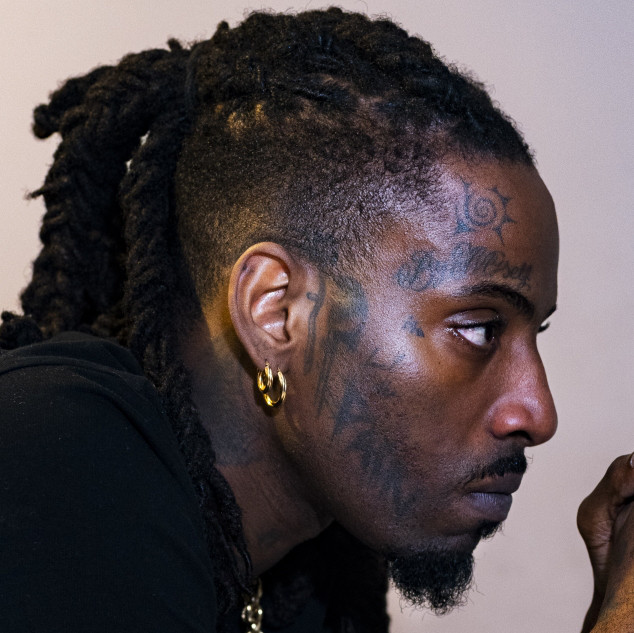
Best playlists

Influenced by




Other similar genres
Genres sharing the most artists with Rap Antillais