Description
Heavy, low-tuned guitar riffs, punchy drums and forceful English vocals give rap metalcore an aggressive, often confrontational sound. The name comes from Every Noise at Once, Spotify’s genre map, and the playlist The Sound of Rap Metalcore; there is very little published description of the style.
The music ranges from rap metal and nu metal grooves with rhythmic rapping and shouted hooks to heavier, scream-driven material and songs that contrast harsh vocals with soaring melodic choruses. Bass and distorted guitars lock into syncopated patterns against sharp snare hits and crashing cymbals. Some tracks shift between fast passages and stomping, mid-tempo grooves, using brief pauses or drops to make the riffs hit harder.
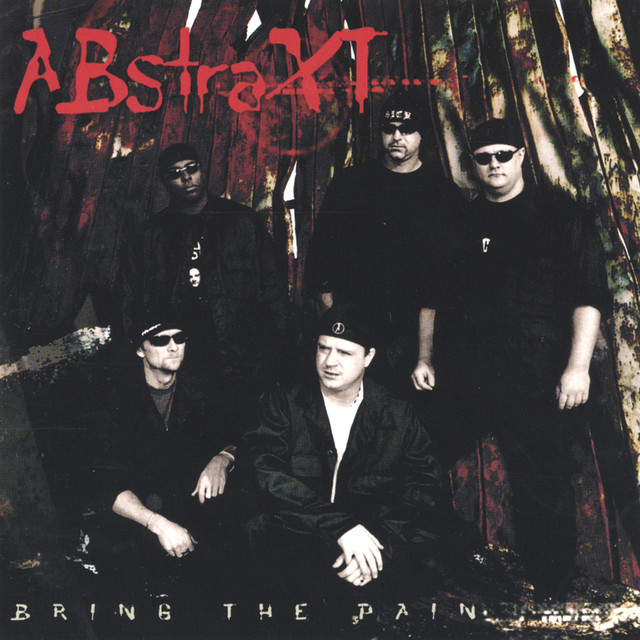
The production tends to be loud and dense, with guitars spread across the stereo field and vocals pushed to the front. Synth textures and turntable scratching add hip-hop or electronic color in some tracks, while dark, dissonant riffs and power chords keep the overall mood tense. Titles such as “Fight Back,” “Bring The Pain” and “Nothing Left” suggest defiance and frustration. Much of the music in the playlist was released in the 2000s and early 2010s.
Based on: Every Noise at Once, Spotify's genre tags and playlist

Metal Sub-Genres Explained
OPAL IN SKY

what’s “metalcore”? #music
blustre
Riffs and rhythm
Build around low-tuned, heavily distorted guitar and bass, using short power-chord figures and syncopated chugs. Take cues from rap metal and nu metal: lock the kick drum to the guitar rhythm, keep the snare punchy, and alternate fast sections with a stomping mid-tempo groove. Use brief stops or drops to emphasize the return of a riff.
Vocals and arrangement
Try rhythmic rap-rock verses against screamed or barked lines. A chorus can open into a strained melodic hook, or stay blunt and chant-like with layered group shouts. Keep the mood urgent and confrontational.
Production
Give the guitars a wide stereo image and put the vocals and drums firmly upfront in a dense mix. Add synthesizer textures or turntable scratching where they reinforce the groove, without letting them obscure the riffs.

Breakdowns made easy with this step by step guide. #metalmusician #metal #metalmusic #metalartist
Lost Souls

How to write a viral METALCORE song!
Nik Nocturnal

how to write metal lyrics #shorts
Richard Janvrin (Music)

Top albums


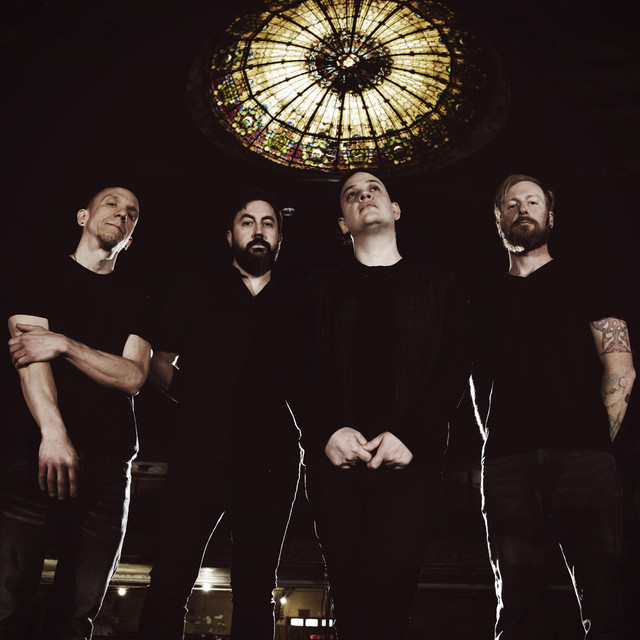

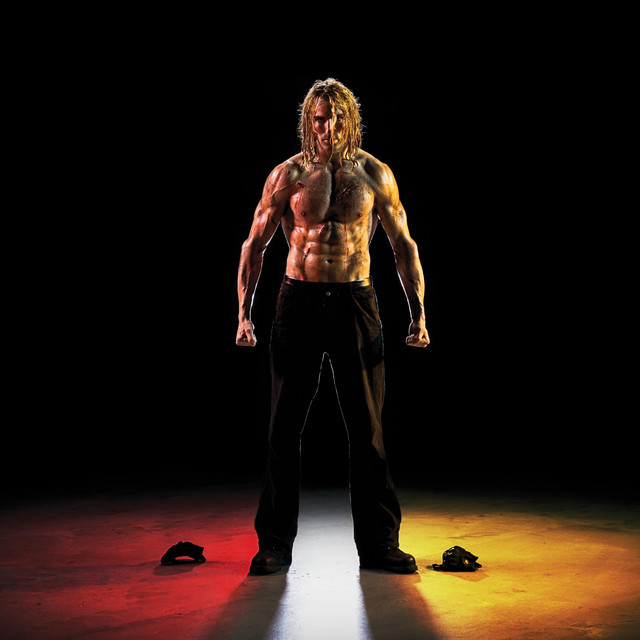
Best playlists
Rap Metalcore
Melodigging
The Sound of Rap Metalcore
Every Noise at Once
Rap Metalcore
Chosic

🎸Lo-Fi Rock - Metal Mix 🎸
Corner of the Café

💿Nu-Metalcore Playlist🎧Get Boost of Adrenaline and Regain Vitality / For WorkOut & Gaming
AIron Metal Music
Influenced by