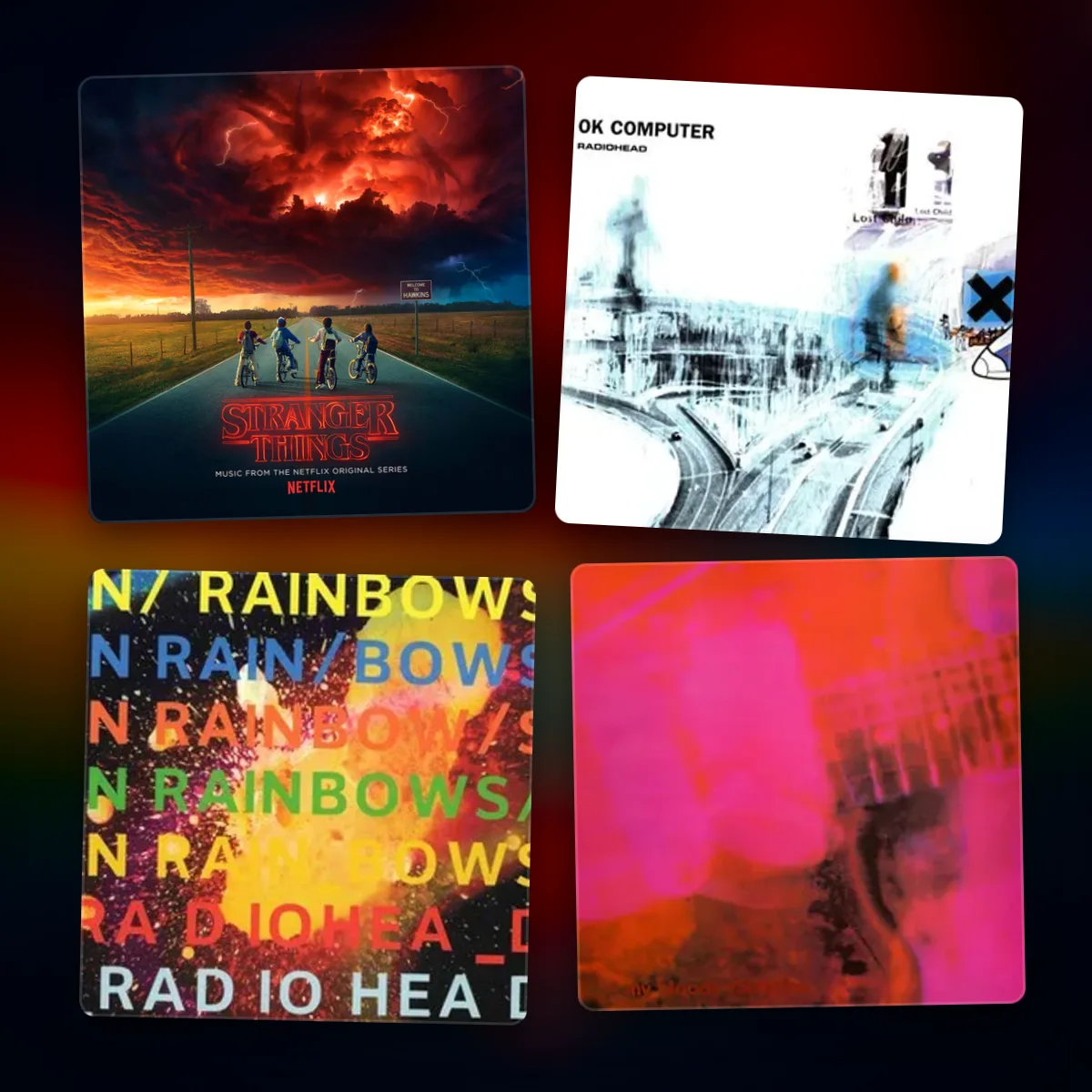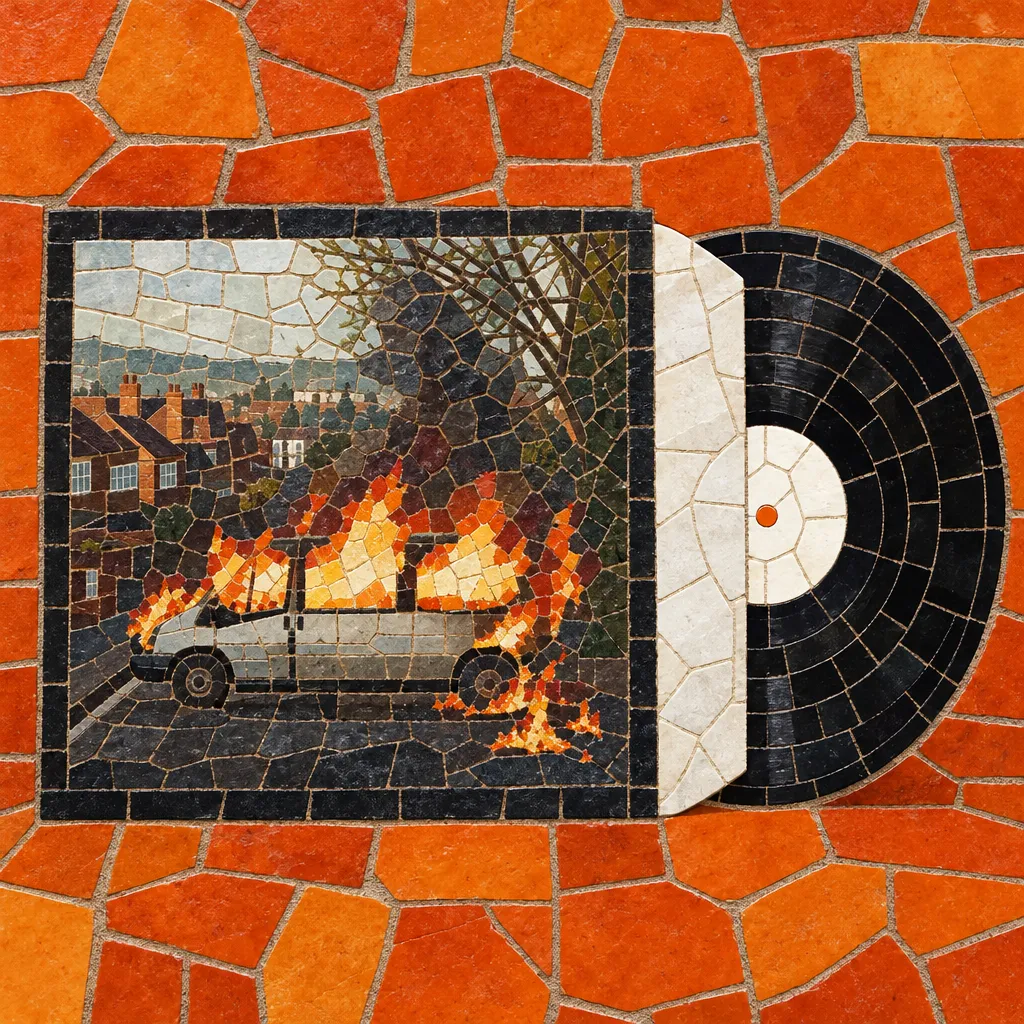
Description
Driving guitars, prominent drums and soaring English-language vocals give much of reading indie an urgent, anthemic sound. The name comes from Every Noise at Once, a map of Spotify’s genre labels, and The Sounds of Spotify’s playlist “The Sound of Reading Indie”; there is scant writing about it.
Much of the music sits close to indie rock and pop-rock: bass and drums lock into a steady beat while distorted guitars pile up chords, riffs and melodic lines. The singing often has a powerful, gritty edge, with harmonies or doubled voices adding to the size of the hooks. Wide studio mixes, vocal reverb and dense layers of guitar give many tracks a full, compressed sound; keyboards sometimes sit further back in the mix.
There is also a dreamier side associated with shoegaze and dream pop, where softer, breathier vocals and spacious guitar textures create a more nostalgic or melancholic atmosphere. The playlist’s releases are mostly from the late 2010s, though it also includes earlier music.
Based on: Every Noise at Once, Spotify's genre tags and playlist
Build the rhythm
Start with a steady mid-tempo or fast rock beat, a clear snare backbeat and an electric bass line that follows the drums closely. Use guitar chords and repeating riffs to give the arrangement forward momentum.
Layer the guitars and voice
For the louder side, stack overdriven or fuzzed guitars into a dense, wide mix. Take cues from shoegaze and dream pop by adding reverb and delay for a more spacious texture. Write a strong vocal hook with sustained notes, and reinforce it with doubles or harmonies. Keep the vocal clear and powerful for an anthemic feel, or use a softer, breathier delivery for a more reflective mood.

Writing a SONG with the first 4 THINGS I SEE✍️🎶
RoseAngel

FINNEAS Advice For Musicians #Shorts
Tape Notes Podcast

Life-changing songwriting tip!!! #songwriting #tipsandtricks
Devon Cole

How to write better chord progressions!
Ben Kestok

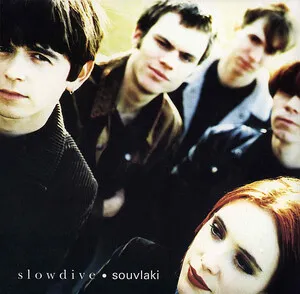
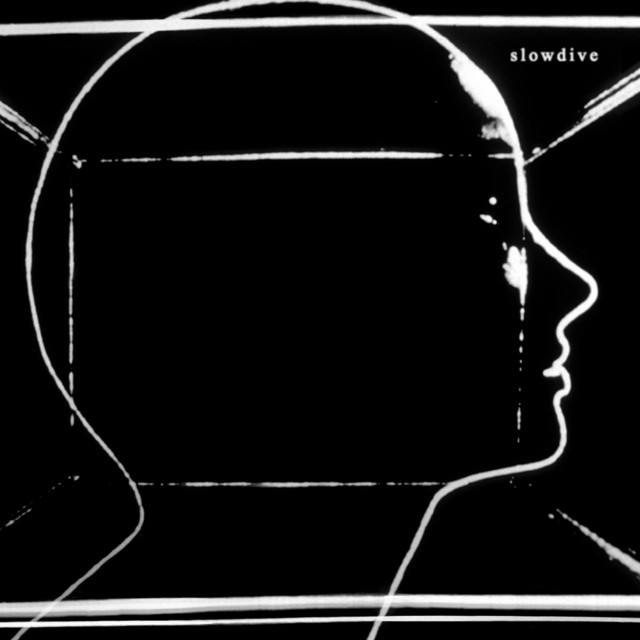
Top albums







Best playlists
Reading Indie
Melodigging
The Sound of Reading Indie
Every Noise at Once
Reading Indie
Chosic

Best of Reading Indie
volt.fm

take it slow. ☕ - a relaxing indie/folk/acoustic playlist
alexrainbirdMusic
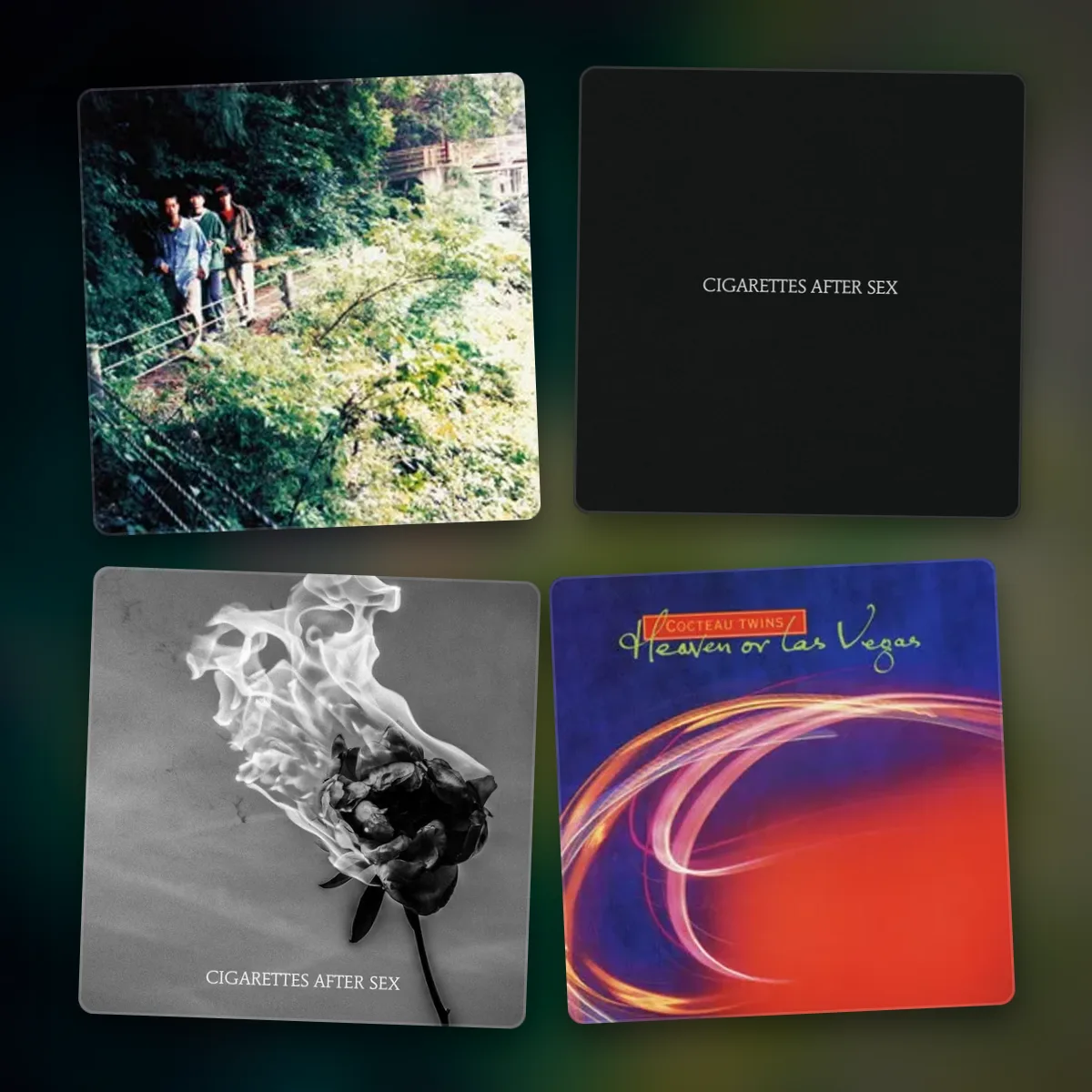
Influenced by

Other similar genres
Genres sharing the most artists with Reading Indie