Description
Sad rap, also known as emo rap or emo hip hop, is a hip-hop style shaped by emo. It typically pairs slow, atmospheric beats and minor-key melodies with vocals that move between rapping and singing. Trap-style production may sit alongside indie-rock textures or samples from emo and pop-punk songs.
Its emphasis is on vulnerability rather than conventional bravado. Lyrics often address heartbreak, loneliness, depression, anxiety and substance use, giving the music an intimate, melancholy tone. Some recordings also draw on the rough production aesthetic of DIY punk.
Based on: Wikipedia, blog.soundtrap.com, newyorker.com
More on: Every Noise at Once

The Saddest HipHop Verse #eminem #mockingbird #hiphop #viral #sad
HERO Motivation
History
Online beginnings
Sad rap emerged through the SoundCloud rap scene in the early 2010s. Its blend of hip-hop and emo developed in an online environment where independent artists could share personal music outside radio; online platforms had already supported that kind of distribution in the 2000s.
Wider recognition
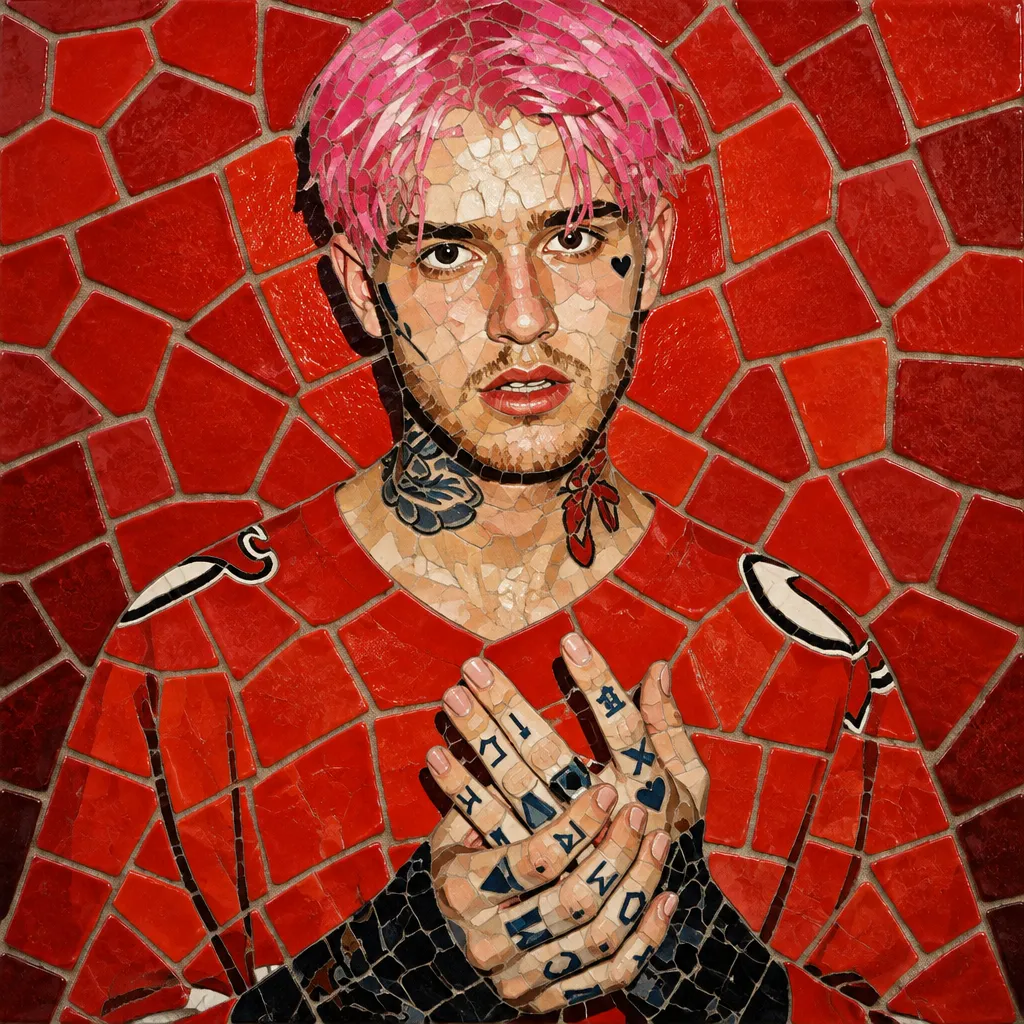
By the late 2010s, XXXTentacion, Lil Peep and Juice WRLD had helped bring the style to a global audience. Lil Xan was another prominent member of the loosely connected SoundCloud-rooted network. Sad rap scenes later extended beyond the United States, including to Mexico, France and Brazil.
Build the atmosphere
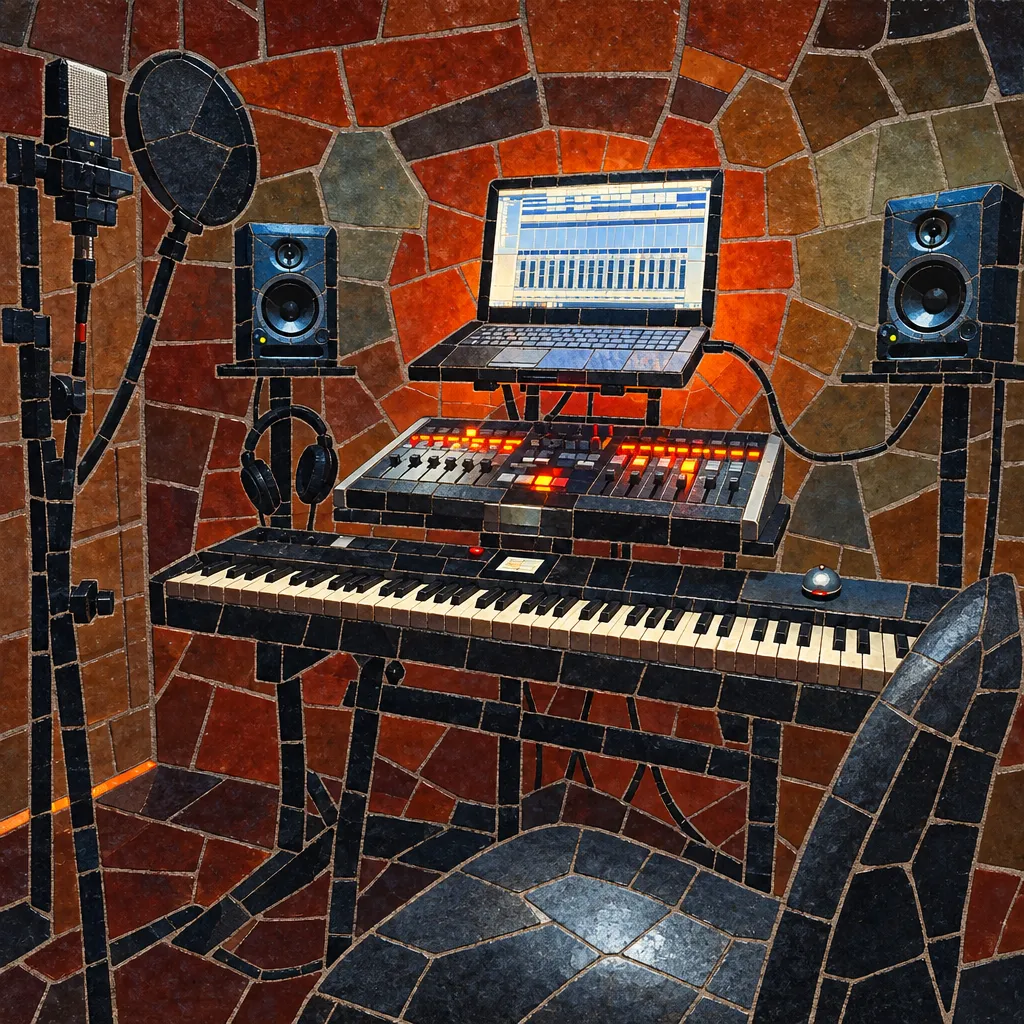
Start with a slow, moody beat and a minor-key melodic idea. Use atmospheric textures to leave room for the words, and consider a trap-style rhythmic foundation. Indie-rock instrumentation or an emo- or pop-punk-influenced sample can add contrast to the programmed beat.
Write and perform the vocal
Make the lyric personal and direct: heartbreak, loneliness or anxiety can provide a focus. Try moving between rapped phrases and sung lines, shaping the delivery around the emotional weight of each passage rather than keeping one flow throughout.
Arrange and produce
Let the vocal remain prominent, adding and removing layers to support changes in the lyric. For a rougher sound, you could draw on the stripped-back, DIY production associated with punk; for a more atmospheric result, sustain the melodic textures around the beat.

How To Write An R&B Love Song ❤️
Breezee

How to make EXTREMELY emotional piano melodies 😢
Busy Works Beats

How To Write A Dope Rap Verse: 4 EASY TIPS
Curtiss King TV

Sad Chords in 13 Seconds
QR Music Production Resources

Top albums
Best playlists

Influenced by


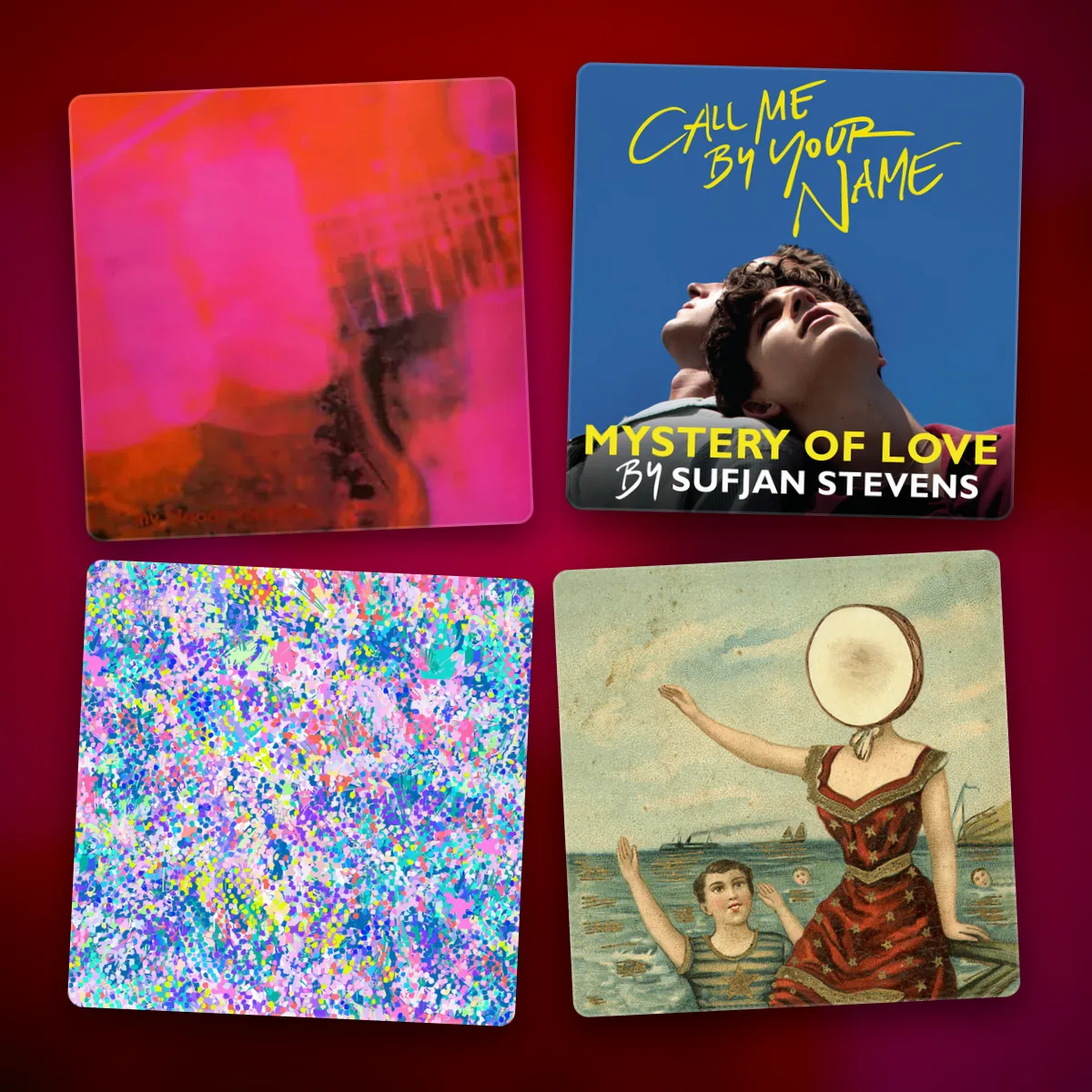

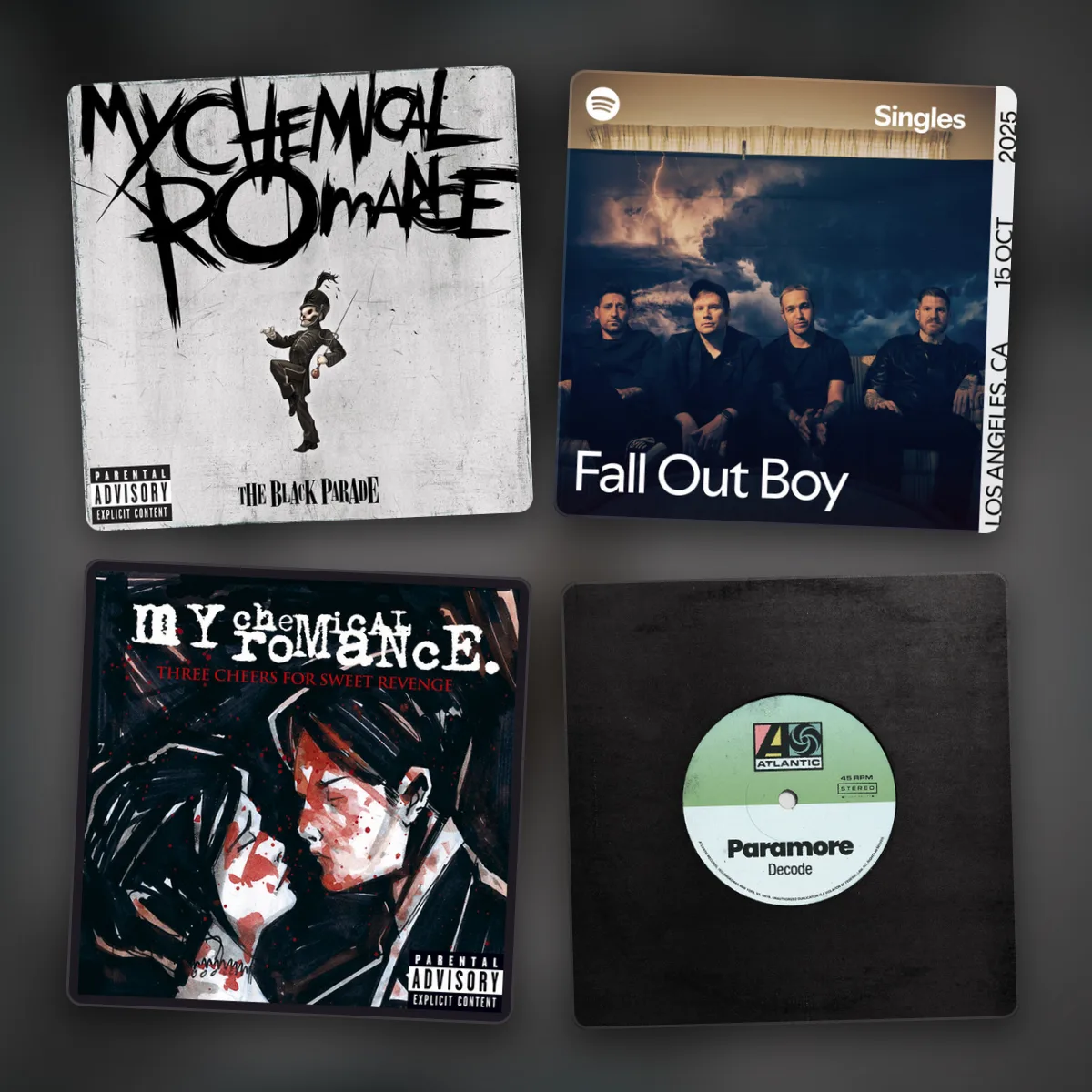

Other similar genres
Genres sharing the most artists with Sad Rap