Description
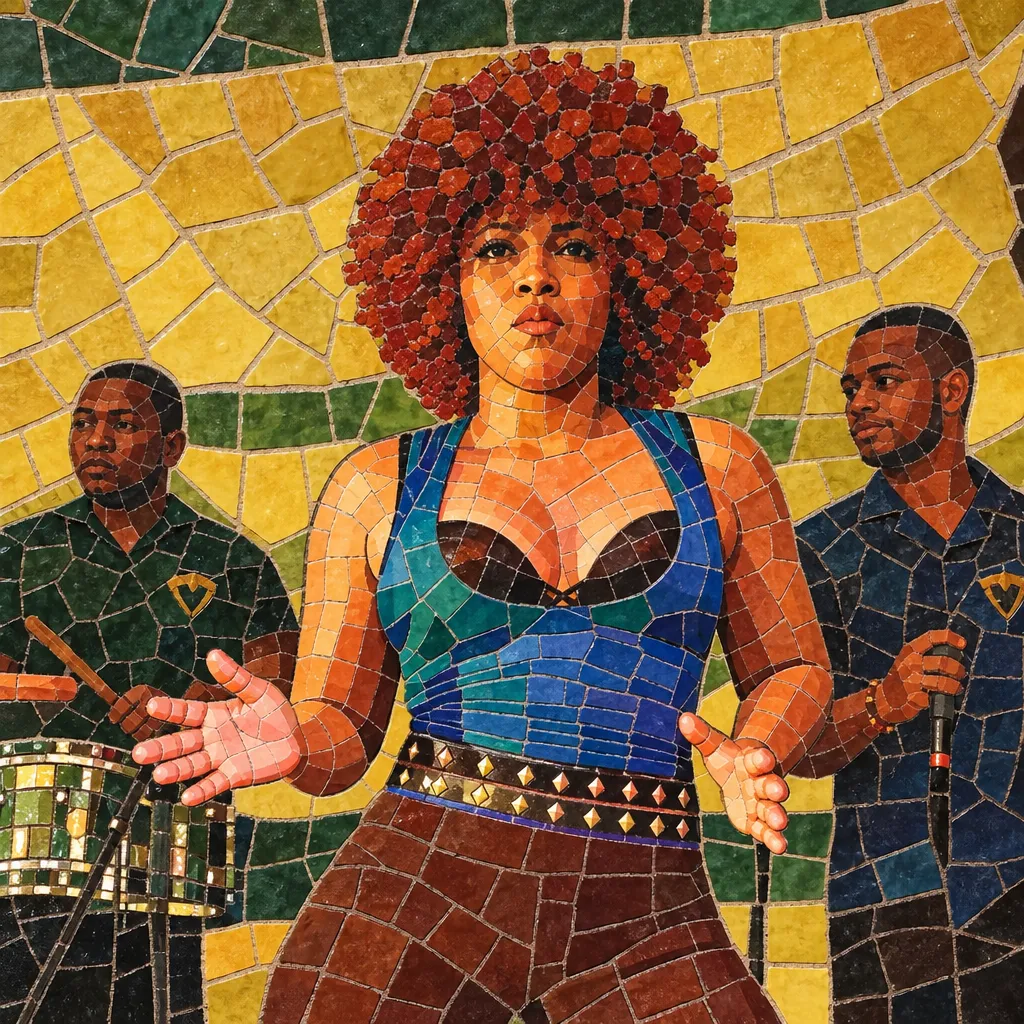
Salsa urbana is a dance-oriented fusion of traditional salsa with rap or reggaeton and sounds from Colombia’s Pacific coast. Its songs are made for parties, with rhythms and lyrics that encourage enjoyment and movement.
The music is closely associated with the dance called choque. Some people in other regions of Colombia have regarded the dance as offensive, while on the Pacific and Caribbean coasts it is a popular contemporary dance among young people. In Ecuador, the term salsa urbana is used for what is often called salsa choque in Colombia.
Based on: elcampesino.co, eltelegrafo.com.ec
More on: Every Noise at Once
History
Beginnings on the Pacific coast
Salsa urbana began to take shape around 2004 in Tumaco, a port in Colombia’s Nariño department. The local Afro-Colombian community developed the style by combining traditional salsa with rap and reggaeton; the music and its accompanying choque dance emerged together.
Spread to Cali
The style reached Cali through the Agua Blanca area, where radio stations began playing it and dancers took it up in clubs. In Cali, dancers blended choque with local salsa steps, creating a distinct way of dancing to the music.
Build the fusion
Start with a traditional salsa foundation, then bring in elements of rap or reggaeton. Keep the rhythm inviting for dancers and shape the song around the festive character associated with salsa urbana.
Arrange for the dance
A practical approach from salsa is to build a syncopated groove with percussion and bass, leaving space for short melodic phrases and vocal responses. You could contrast sung sections with rhythmic, rap-like delivery or introduce a reggaeton-influenced rhythmic layer. Give the groove enough continuity for dancers to follow, and use changes in the arrangement to create moments of excitement.
Write the vocal part
Aim for lyrics and a delivery suited to a party setting. Repeated phrases or a call-and-response passage can give listeners an easy way to join in.

Produciendo Salsa Urbana! Beat de salsa urbana.
Alex Rivas Lessons

HACIENDO UNA BASE PARA SALSA EN FL STUDIO 🍑
Fundshauser

PARTE 1 de Cómo crear una salsa en menos de 2 minutos
Eddy Jara

#alexrivas #salsa #piano #salsaurbana #latinmusic #productormusical #producer #logicprox #tips
Alex Rivas Lessons

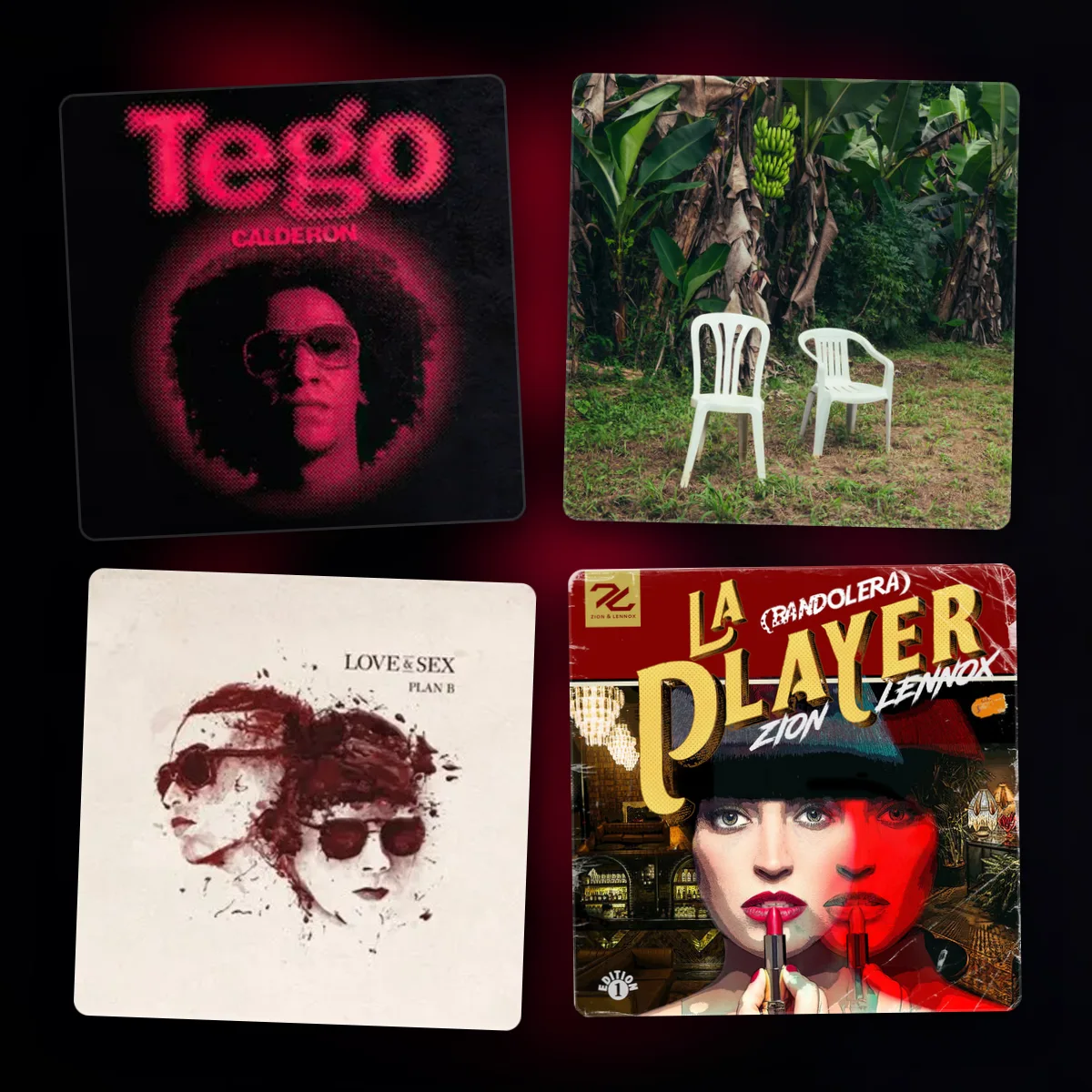
Top albums







Best playlists



Influenced by


Other similar genres
Genres sharing the most artists with Salsa Urbana