Description
Expressive lead vocals, deep bass and crisp drum backbeats give Scandinavian R&B a sound that can be intimate and yearning or bright and danceable. The name comes from Every Noise at Once and The Sounds of Spotify’s playlist “The Sound of Scandinavian R&B”; written accounts of the style are scarce.
The music ranges from slow R&B and trap-tinged pop ballads to laid-back neo-soul, synth-pop and dance-pop. Electronic drums, soft synth pads and sub-bass are common, with piano chords or plucked synth figures adding melodic detail. Some songs favor the warmer sound of clean electric guitar, electric bass and keyboards. Even the more energetic arrangements often carry a bittersweet feeling, with minor-key harmonies and repeating chords.
The voices are central: singers move between soulful phrasing, breathy lines, falsetto and stronger, soaring delivery, often supported by layered harmonies. Polished mixes give the vocals space with reverb and delay. English is common, while some songs use Scandinavian languages. Titles such as “Heartache,” “Did I Lose You?” and “still feeling you” suggest a recurring interest in love, longing and emotional aftermath. The playlist’s releases are largely from the late 2010s and early 2020s.
Based on: Every Noise at Once, Spotify's genre tags and playlist

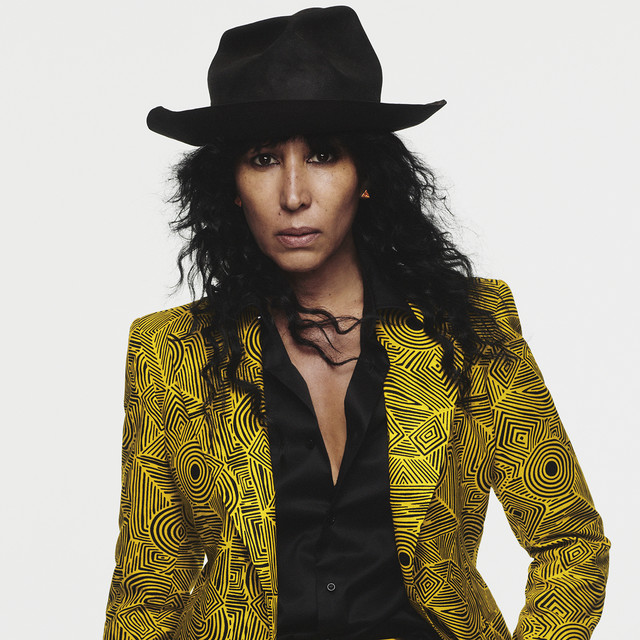
Cherrie: The Scandinavian RnB star with Somali roots - BBC Africa
BBC News Africa
Groove and harmony
Start with a strong kick and a snare, clap or rimshot backbeat. For a slower track, use a relaxed hip-hop-influenced drum pattern with ticking hi-hats; for a more danceable song, tighten the pulse and give the drums a steadier drive. Build a repeating minor-key chord progression on piano or soft synths, with a rounded synth bass or sub-bass underneath.
Voice and production
Write an expressive lead melody with room for syncopation, falsetto or a breathy delivery. Add backing harmonies around key phrases, then use reverb and occasional delay to place the voice in a polished, spacious mix. Alternative R&B is a useful reference for electronic textures and deep bass; neo soul offers a model for a warmer groove with electric bass, clean guitar and keyboards.

Top albums





Best playlists


Influenced by


Other similar genres
Genres sharing the most artists with Scandinavian R&b