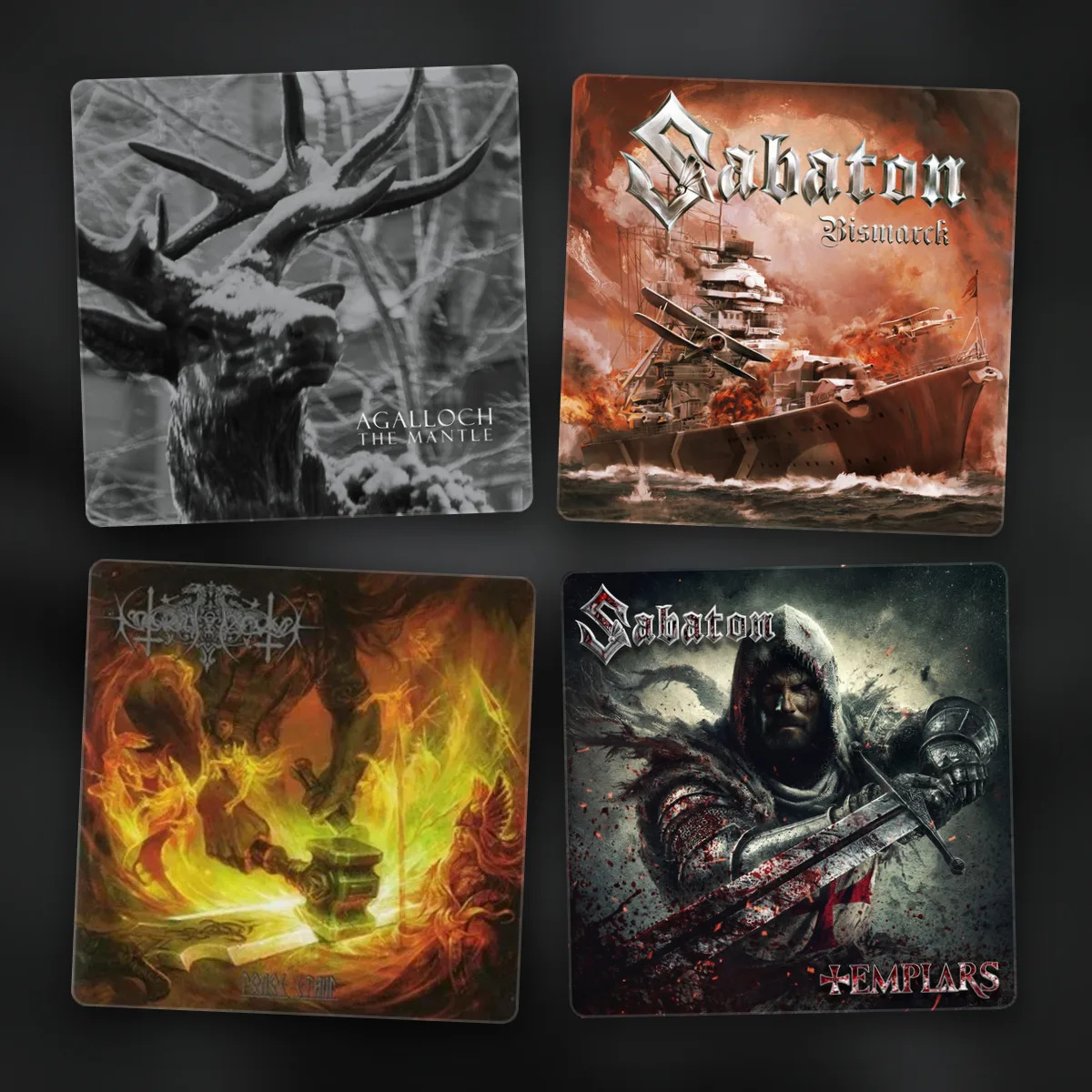
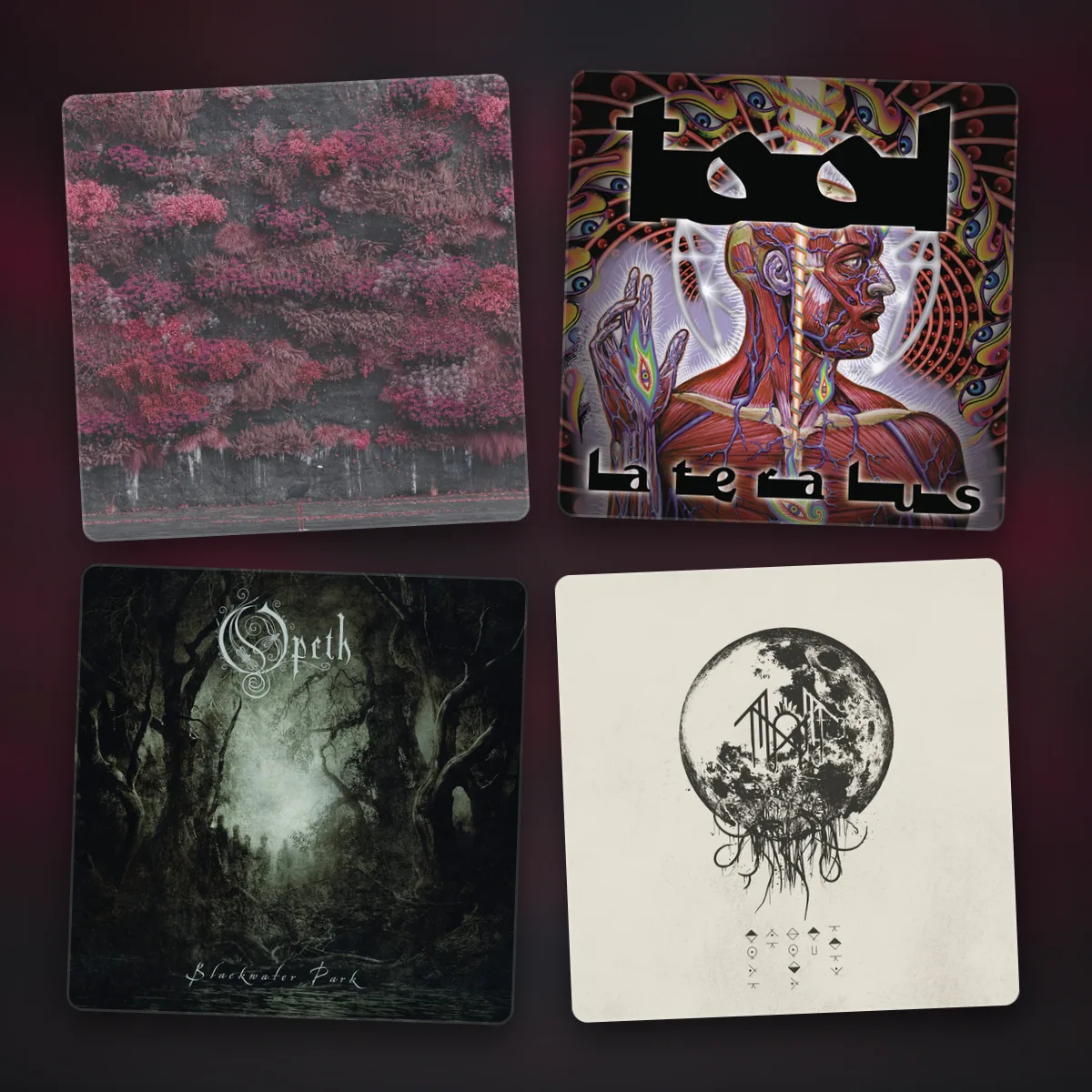
Description
Scottish metal ranges from fast, abrasive extreme metal to melodic power metal and intricately arranged progressive metal. The name is used in Spotify’s genre labels, Every Noise at Once and the playlist The Sound of Scottish Metal, though it has scarcely been described in writing.
Much of the music is driven by heavily distorted guitars, bass and forceful drumming, with rapid double-kick patterns and crashing cymbals. Dark, tightly muted riffs and syncopated breakdowns sit alongside soaring melodies and harmonized leads. Vocals range from growls and raspy screams to high, belted singing and layered harmonies; some tracks are instrumental. Synthesizers also contribute to the sound, while dense, wide production gives many recordings a powerful, compressed impact.
The artists are also associated with deathcore, djent, folk metal and grindcore, as well as power and progressive metal. That range makes room for both punishing rhythmic weight and more elaborate or anthemic writing. English-language titles often suggest conflict, horror or fantasy, though lighter subjects also surface in songs such as Alestorm’s “Drink” and Certain Death’s “Here For The Beer.”
Based on: Every Noise at Once, Spotify's genre tags and playlist
Build the rhythm
Start with a distorted electric-guitar riff and a bass part that reinforces its low end. For a deathcore or djent approach, use palm-muted chugs, syncopated accents and a slower, heavy breakdown. Drive faster passages with double-kick drums, forceful snare hits and cymbals.
Add melody and contrast
Draw on power metal for soaring lead melodies and harmonized guitars, or on progressive metal for more intricate rhythmic changes and arrangements. Try harsh growls and screams for an extreme-metal sound, or a high, strongly projected vocal with layered harmonies for an anthemic chorus. An instrumental arrangement can place that melodic role in the guitars instead.
Shape the mix
Pan rhythm guitars wide and keep the kick drum punchy and tight. Use compression for a dense sound, adding selective reverb or delay to leads and vocals. Synth layers can provide extra color behind the guitars without displacing the riffs.

Top albums






Best playlists


Influenced by