Description
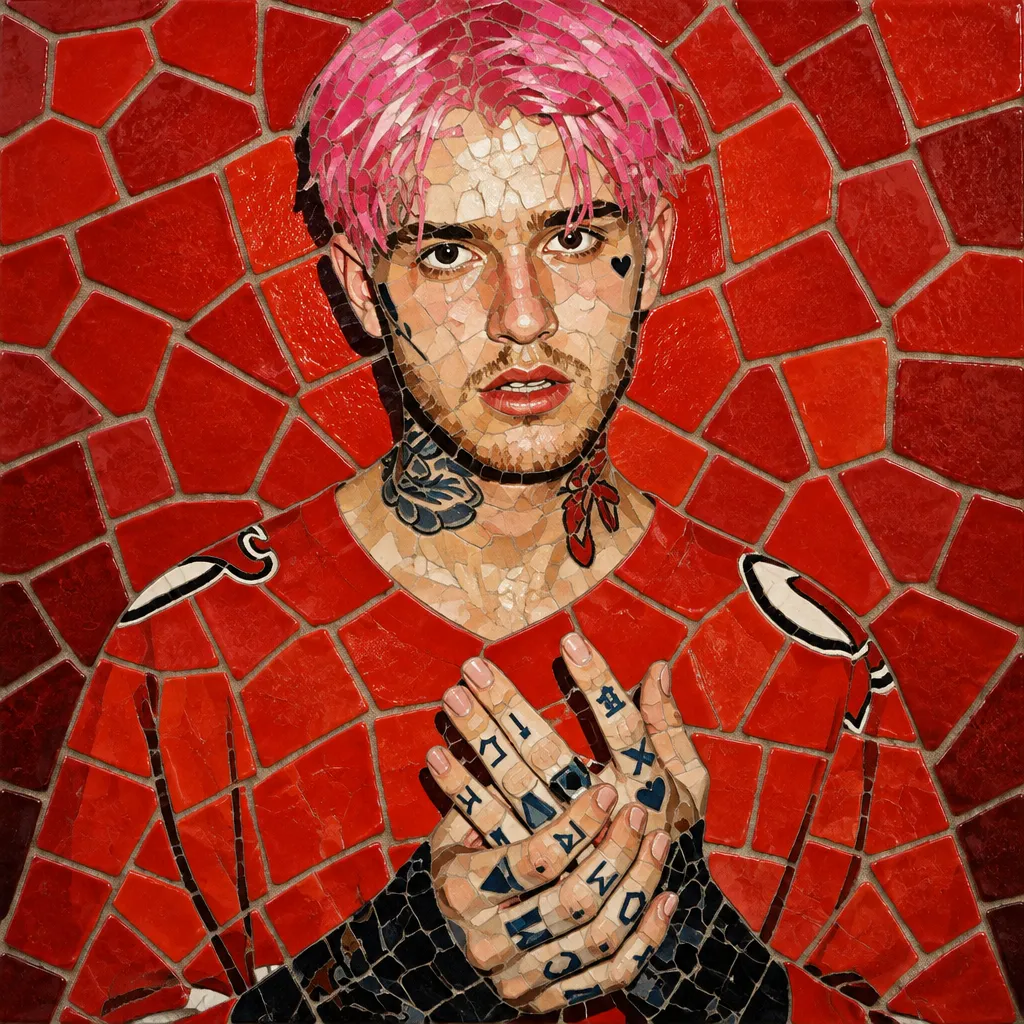
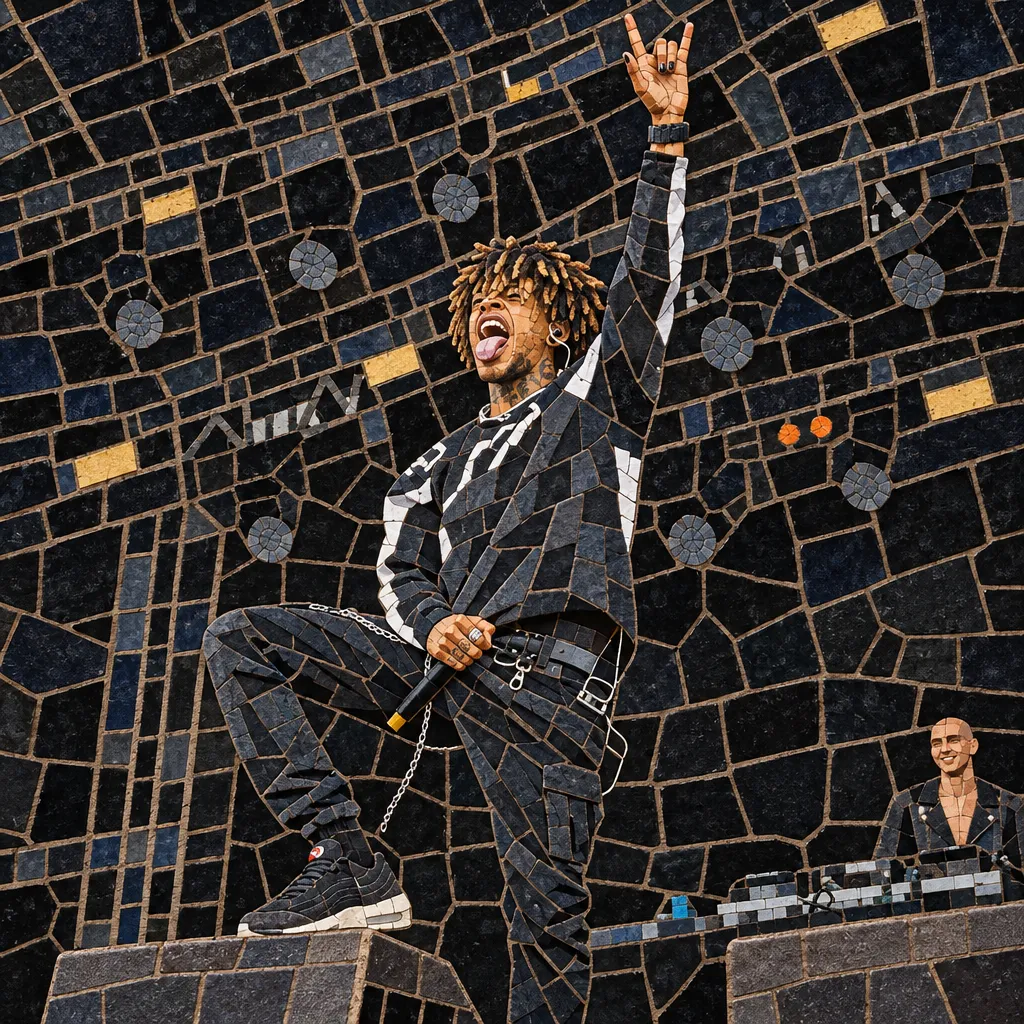
Scream rap is a dark, confrontational form of vocal music driven by heavy beats, distorted bass and forceful rapping or screams. Its name comes from Every Noise at Once and Spotify’s playlist “The Sound of Scream Rap,” with scant published explanation. Most releases in the playlist are from the late 2010s and early 2020s.
At its core, the music is close to trap metal: booming, often blown-out electronic kicks and sub-bass meet sharp snares, skittering hi-hats and urgent voices. Rappers often shout, use harsh vocal fry or layer their delivery with backing shouts and effects. The production tends to be loud and densely compressed, with dark synths, short repeating figures and little harmonic movement. Distorted electric guitars also add weight to some tracks.
The music ranges from trap-based rap to boom-bap, fast electronic breakbeats and guitar-driven punk. It also sits near rap metal, punk rap and horrorcore, sharing their heavy attack and, in horrorcore’s case, a taste for macabre imagery. Titles such as “Night Terrors,” “body bag” and “I Want My Revenge” suggest menace, anger and distress; most of the vocals are in English.
Based on: Every Noise at Once, Spotify's genre tags and playlist
Build the beat
Start with the heavy electronic drums associated with trap metal: a deep, distorted 808 kick and bass, a sharp snare or clap, and quick hi-hat rolls. Keep the pulse driving; a half-time feel can give a fast pattern extra weight.
Make the texture
Use a short, dark minor-key synth figure or a repeating guitar riff rather than a changing chord progression. Draw on rap metal and punk rap for distorted guitar weight, and on horrorcore for an ominous atmosphere. Saturation and compression can make the mix dense and abrasive, but leave room for the voice.
Deliver the vocal
Write rhythmically direct rap lines and experiment with forceful shouts or screams. Layer selected phrases with backing shouts or ad-libs, and use delay or reverb to give the vocal more space without losing its upfront impact.
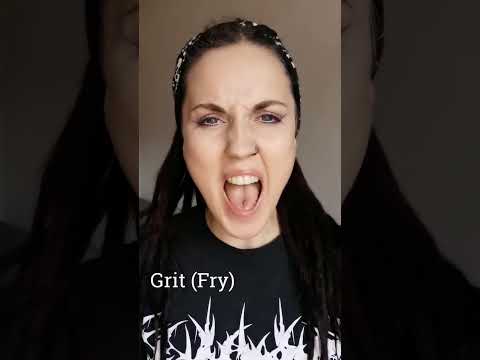
"Metal Vocals Is Just Yelling"
Māra Lisenko

How to Scream, Add Distortion, Yell and Sing Aggressively WITHOUT Hurting Your Voice! (3 Steps)
Chris Liepe

Learn fry scream in 10 seconds #metal #metalvocals #howtoscream #vocalcoach
Extreme Vocal Institute
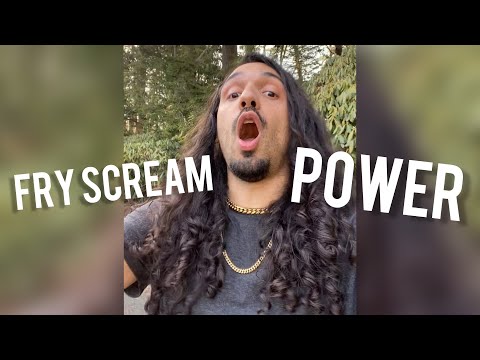
How to Fry Scream: Power in SECONDS
Extreme Vocal Institute

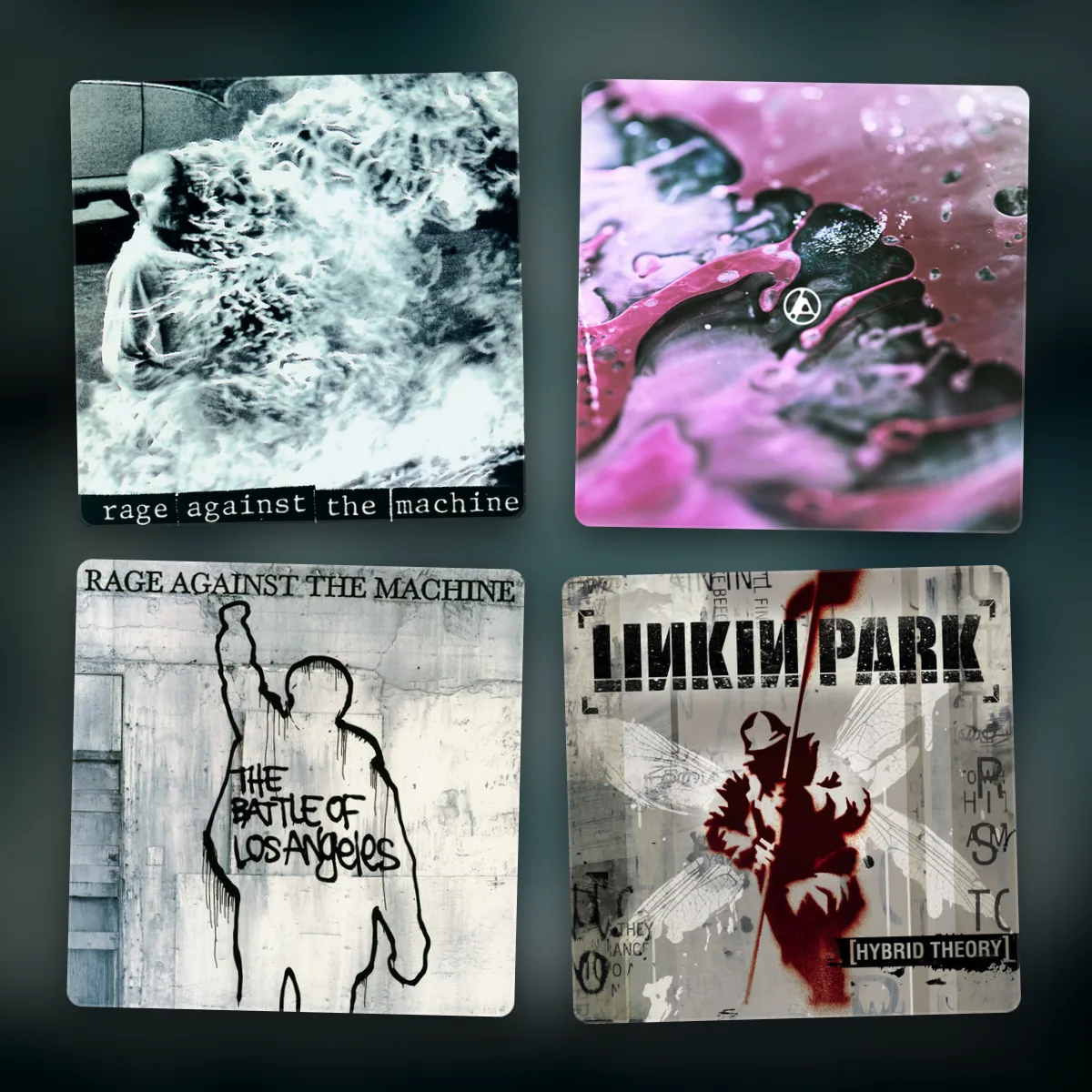
Top albums



Best playlists
Influenced by

Other similar genres
Genres sharing the most artists with Scream Rap