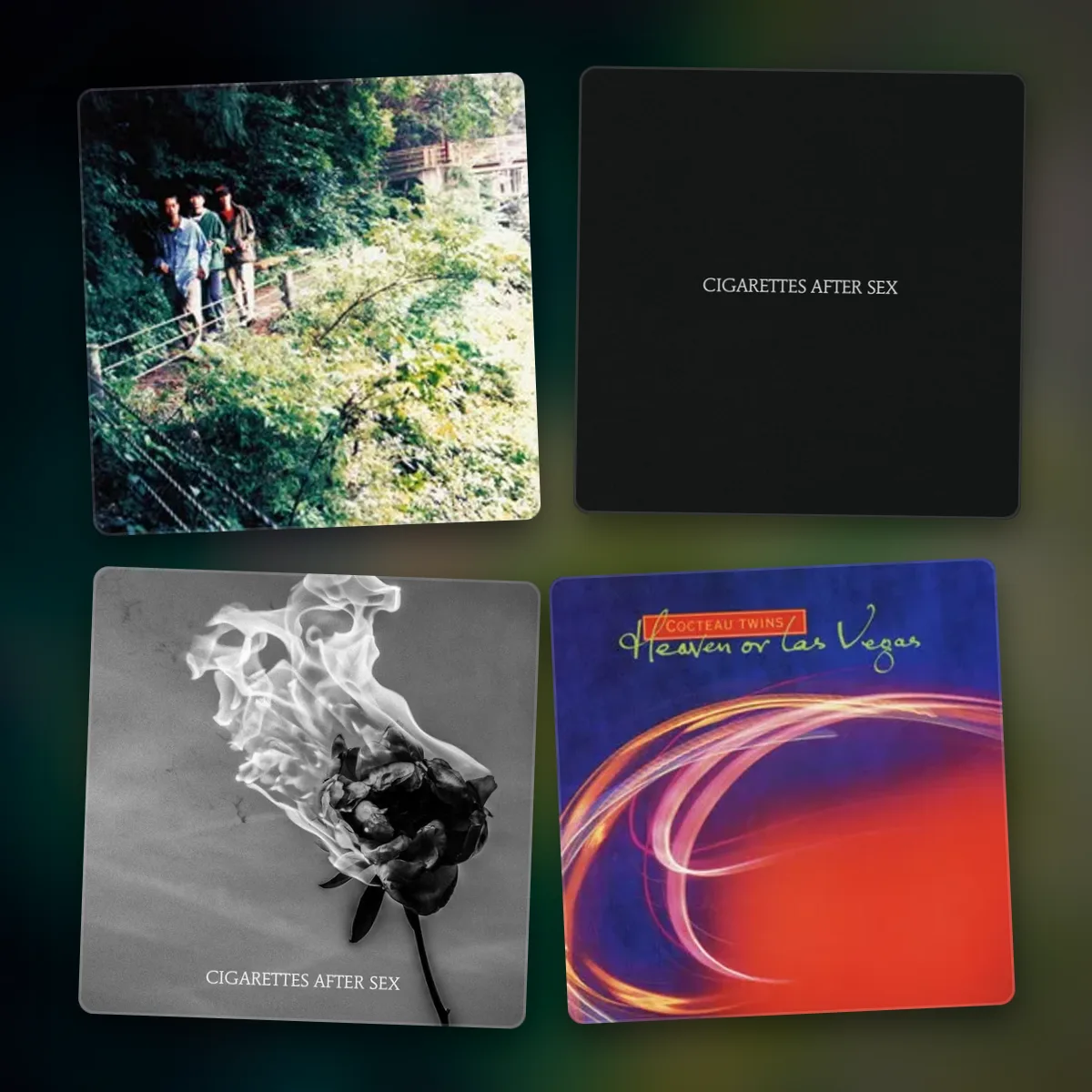
Description
Shimmer psych ranges from distorted alternative rock to gentle indie folk and glitch-heavy electronic music, often with a fast, driving pulse. The name is used in Spotify’s genre labels, Every Noise at Once and the playlist “The Sound of Shimmer Psych”, but has attracted scant published discussion.
Much of the music pairs bass and drums with spacious, reverberant production. Rock drum kits can give the songs a forceful backbeat, while electronic tracks use programmed drums and sequenced bass. Guitars range from distorted electric layers to picked or strummed acoustic parts; bowed strings, string-like synths and piano also add color. Dense, saturated mixes can make the rock sound anthemic or give the electronics a gritty edge.
Singing is usually in English and often sits in a high register, with layered backing voices or close harmonies. Some vocals are soft and breathy, while others have a strained, theatrical intensity. The mood can be urgent and cathartic or more reflective and dreamlike. Titles such as “Teenage Heartbreak”, “Darkness” and “Getting Gone” suggest a mix of personal reflection and dramatic imagery.
The music sits close to chillwave’s hazy, nostalgic electronics, neo-psychedelia’s exploratory textures and art pop’s inventive approach to song. Releases associated with it are mostly from the early 2010s.
Based on: Every Noise at Once, Spotify's genre tags and playlist
Build the rhythm
Start with a fast, driving pulse. Use a rock kit and a strong backbeat for a guitar-led track, or program electronic drums and a sequenced bass part for a more synthetic one.
Choose a palette
Layer distorted electric guitars for a dense alternative-rock sound, or use acoustic guitar, piano and string-like pads for a gentler indie-folk or pop arrangement. For an electronic direction, combine synthesizers with gritty, glitchy textures. Chillwave offers a model for hazy electronic color, while neo-psychedelia and art pop suggest ways to make familiar song forms more exploratory.
Shape the voices and space
Write a melody for a mid-to-high register and try either an intimate, breathy delivery or a more forceful, theatrical one. Add close harmonies or backing layers, then use reverb on the voices and instruments to give the mix a wide, atmospheric sense of space.

The best 5 guitar pedals for an Alt-Rock/shoegaze sound? What you reckon? #shorts
These Things Make Noises

Strymon Cloudburst reverb on vocals with harmoniser
The Pedal Picassos

Alt Rock / Shoegaze / Grunge Guitar Tone in less than 90 seconds ⏲️⌚ #guitar #shoegaze #grunge
Chaboy Anthony

Go-To Guitar Pedals for Psychedelic Rock
Guitar Mastery Method

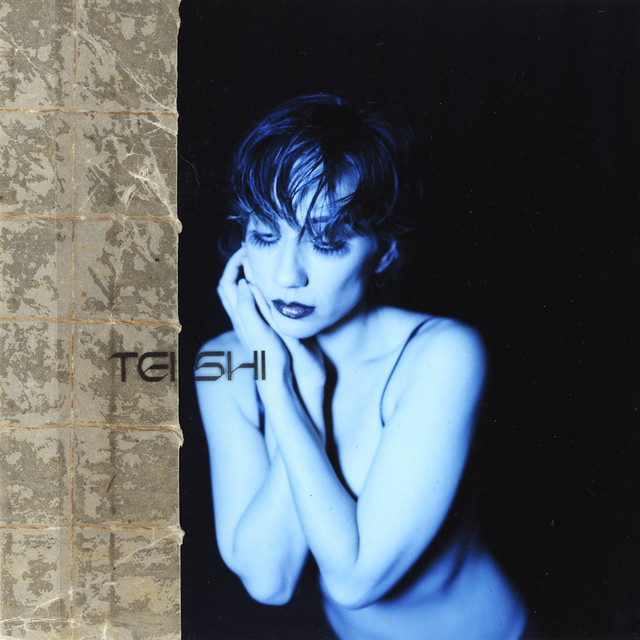
Top albums









Best playlists


Influenced by

Other similar genres
Genres sharing the most artists with Shimmer Psych