


Description
Shojo brings together fast, exuberant songs with bright melodies, driving drums and densely layered arrangements. The name is used by Every Noise at Once and The Sounds of Spotify’s playlist “The Sound of Shōjo,” but attracts scant independent commentary.
Electric guitars, brass stabs and sparkling synthesizers give the music a punchy, colorful sound, often joined by strings and piano. Some tracks lean on a bouncing pop-rock groove with prominent snare hits; others use a steady dance beat. Bass lines keep the momentum moving beneath tightly coordinated breaks and ensemble accents. The production is polished, wide and packed with detail.
Vocals are usually bright and theatrical, with Japanese melodic lines passed between solo singers and groups. Unison chants, harmonies and cheers add to the communal energy. Much of the music is cheerful and playful, although some songs use darker chords and a more dramatic, urgent tone. It sits close to anime song, including theme and character songs: the playlist includes music associated with Pretty Cure, IDOLiSH7 and other animated productions, often performed by voice actors in character.
Based on: Every Noise at Once, Spotify's genre tags and playlist
Rhythm and arrangement
Start with a fast, driving beat: use either a lively pop-rock drum kit with a strong snare backbeat or a steady dance pulse. Add an active bass line, then build a dense arrangement around electric guitar, bright synthesizers and punchy brass figures. Strings and piano can add melodic lift.
Melodies and voices
Write a catchy, energetic melody and give the singers room to alternate solo phrases with group unisons, harmonies or chants. Anime song is a useful reference for the theatrical delivery and character-song approach. Bright major-key chords suit a playful track; minor-key progressions can give the same energy a more dramatic edge.
Production
Keep the lead vocal clear and forward while spreading the instrumental layers across the stereo field. Tight breaks and ensemble hits help a busy arrangement stay punchy.

Top albums

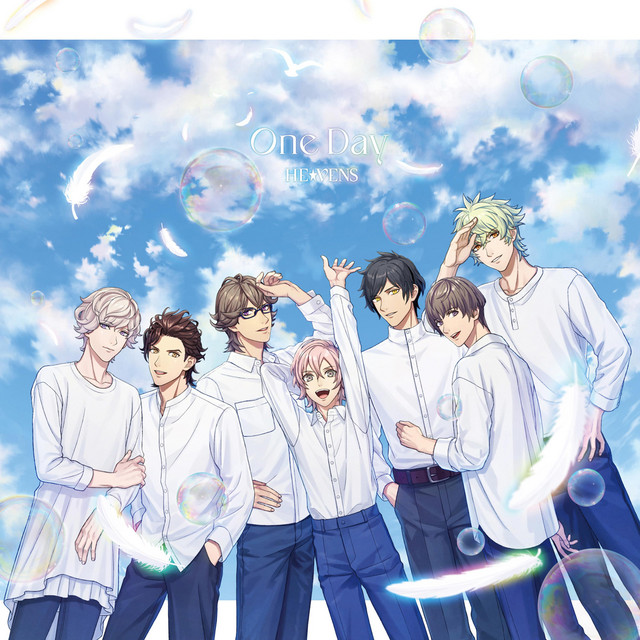


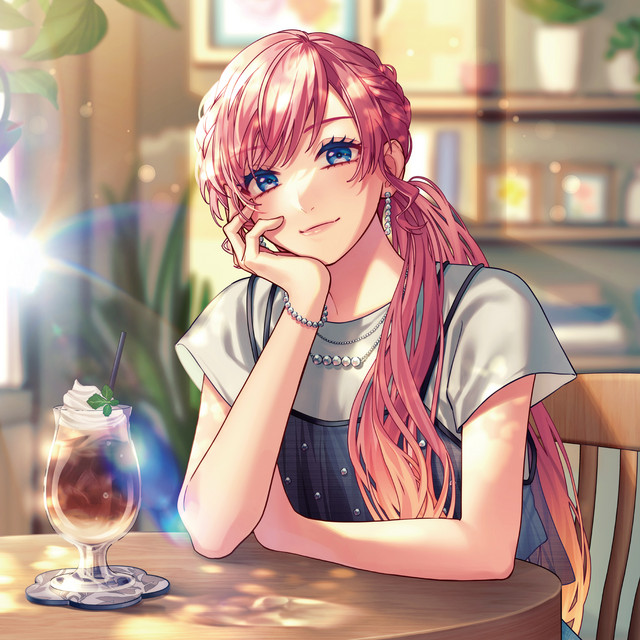

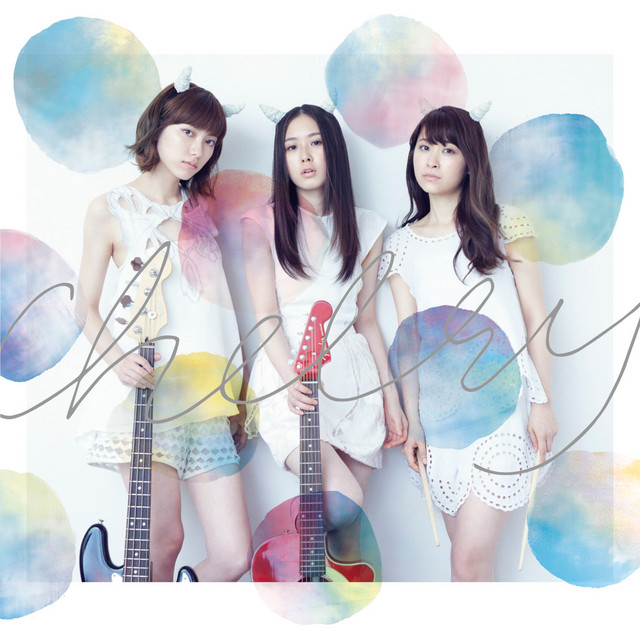
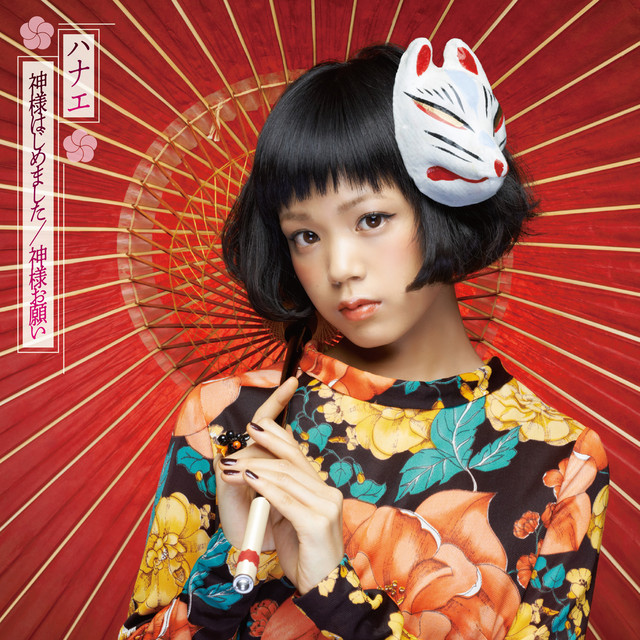
Best playlists


Influenced by
Other similar genres
Genres sharing the most artists with Shojo

