

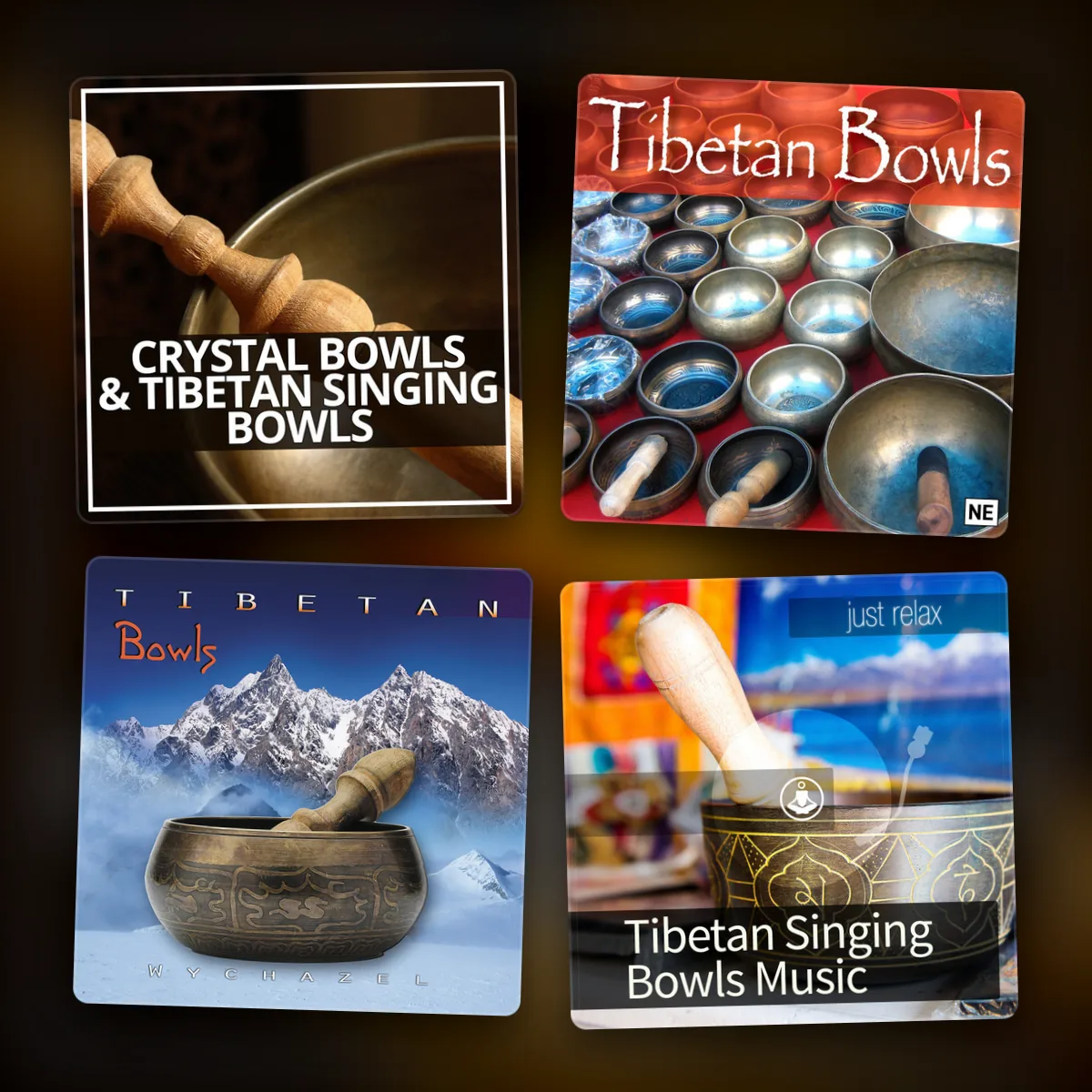
Description
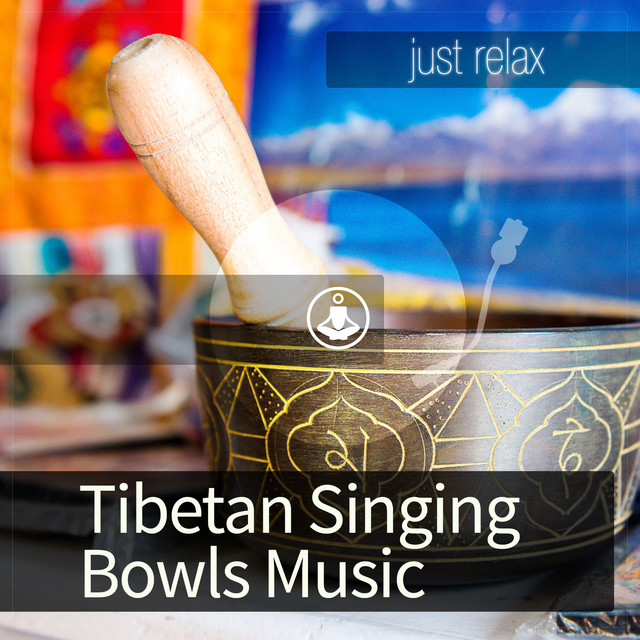
Singing bowl music is centered on the sustained, resonant sound of metal bowls. Their ringing can contain a rich spectrum of harmonics, and differences in a bowl’s metal mixture contribute to its individual tone. Sounds may be allowed to linger and overlap, drawing attention to their changing resonance rather than to a fast-moving melody.
The term can encompass music made with the instrument, but it is also associated with an American new-age style marketed as “Tibetan music.”
Based on: Wikipedia, frankperry.co.uk
More on: Every Noise at Once
History
An American style
A recording by Wolff and Hennings was followed by the development of a distinctive American singing bowl style called “Tibetan music.” The style belongs to a new-age context and should not be assumed to represent all music made with singing bowls.
Recordings and marketing
The style became popular in the United States. Since the introduction of the marketing categories “world music” and “new-age music” in the 1980s, many singing bowl recordings have been marketed under those labels.
Start with resonance
Choose metal bowls for their contrasting tones and harmonic color. Strike a bowl gently or move a mallet around its rim, then listen to how the sound develops and fades. Leave enough space for the resonance to be heard instead of filling every moment with a new attack.
Build a texture
Try introducing a second bowl while the first is still ringing, adjusting the spacing and intensity of each gesture by ear. You could begin with a single tone and gradually create an overlapping field of sound.
Arrange and record
A common approach in new-age music is to favor spacious textures and gradual changes. You could use a sparse arrangement and let the natural decay shape the piece; when recording, experiment with microphone placement to capture both the initial strike and the quieter harmonics that follow.

How to play your singing bowl | Demo on how to make your sound bowl sing
Soulful Vibes and Spirituality with Sunny

How To Play Crystal Singing Bowls: Beginner Lesson
Andrea Cortez | Mind Body Music Center

How to Get Your Tibetan Singing Bowl to Sing
Lamajo Wellness
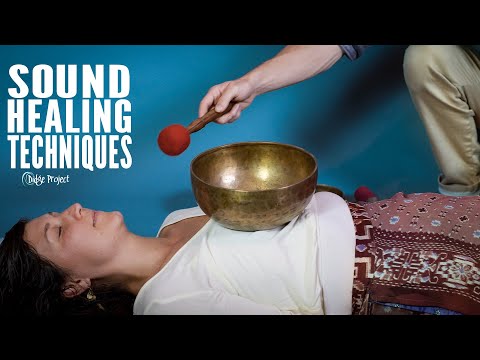
How To Do A Sound Healing Session: Techniques for bowls, gongs, flutes, chimes and more!
Didge Project

Top albums



Best playlists


Other similar genres
Genres sharing the most artists with Singing Bowl

