Description
Slash punk is dominated by distorted guitars, overdriven bass and hard-hitting drums, often moving at a frantic pace beneath shouted vocals. The term is used by Every Noise at Once and Spotify’s “The Sound of Slash Punk” playlist, with scant written discussion of the style.
Much of the music sits close to hardcore punk: rapid kick-and-snare patterns, crashing cymbals and compact power-chord riffs create an urgent, confrontational sound. The production tends to be raw, loud and dense, with guitars and cymbals merging into a wall of fuzz. Voices are often harsh and rhythmic rather than conventionally melodic, sometimes joined by group shouts; English is common.
There is also room for slower, pounding heavy rock and noise rock, where distorted chords and more detached vocal delivery give the music a brooding character. Track titles such as “Prison Planet,” “Desensitised” and “Social Order” suggest themes of confinement, frustration and social tension. Many releases associated with the style date from the late 2000s and early 2010s.
Based on: Every Noise at Once, Spotify's genre tags and playlist

what is “slash punk”? #music
blustre
Build the rhythm
Start with a fast hardcore punk drum pattern: alternate kick and snare rapidly, keep the cymbals prominent, and use short fills or sudden changes in feel to sharpen transitions. For a heavier rock approach, slow the beat to a pounding mid-tempo pulse.
Guitars and bass
Write simple, repetitive power-chord riffs and play them through heavily distorted electric guitar. Follow or reinforce the riff with overdriven bass. Noise rock offers a useful reference for rougher, more dissonant textures.
Voice and production
Use urgent, rhythmic shouting rather than an ornate melody; group shouts can add emphasis. Keep the recording raw and dense, with the vocal forward and the distorted instruments and cymbals filling the mix.

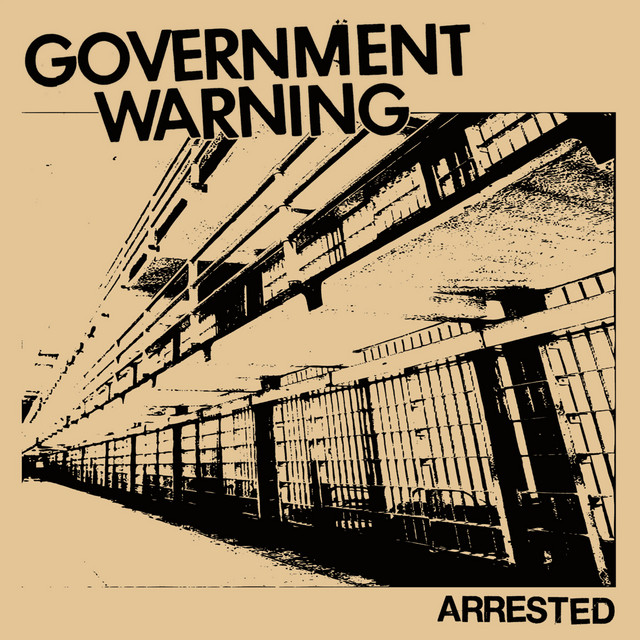
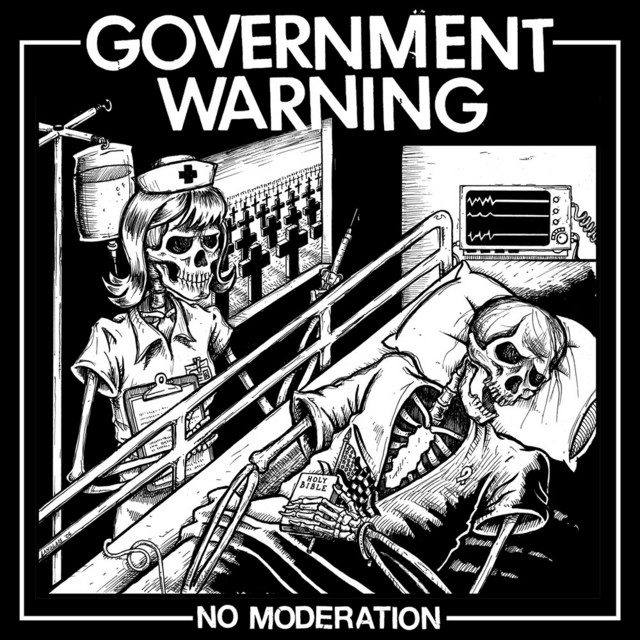
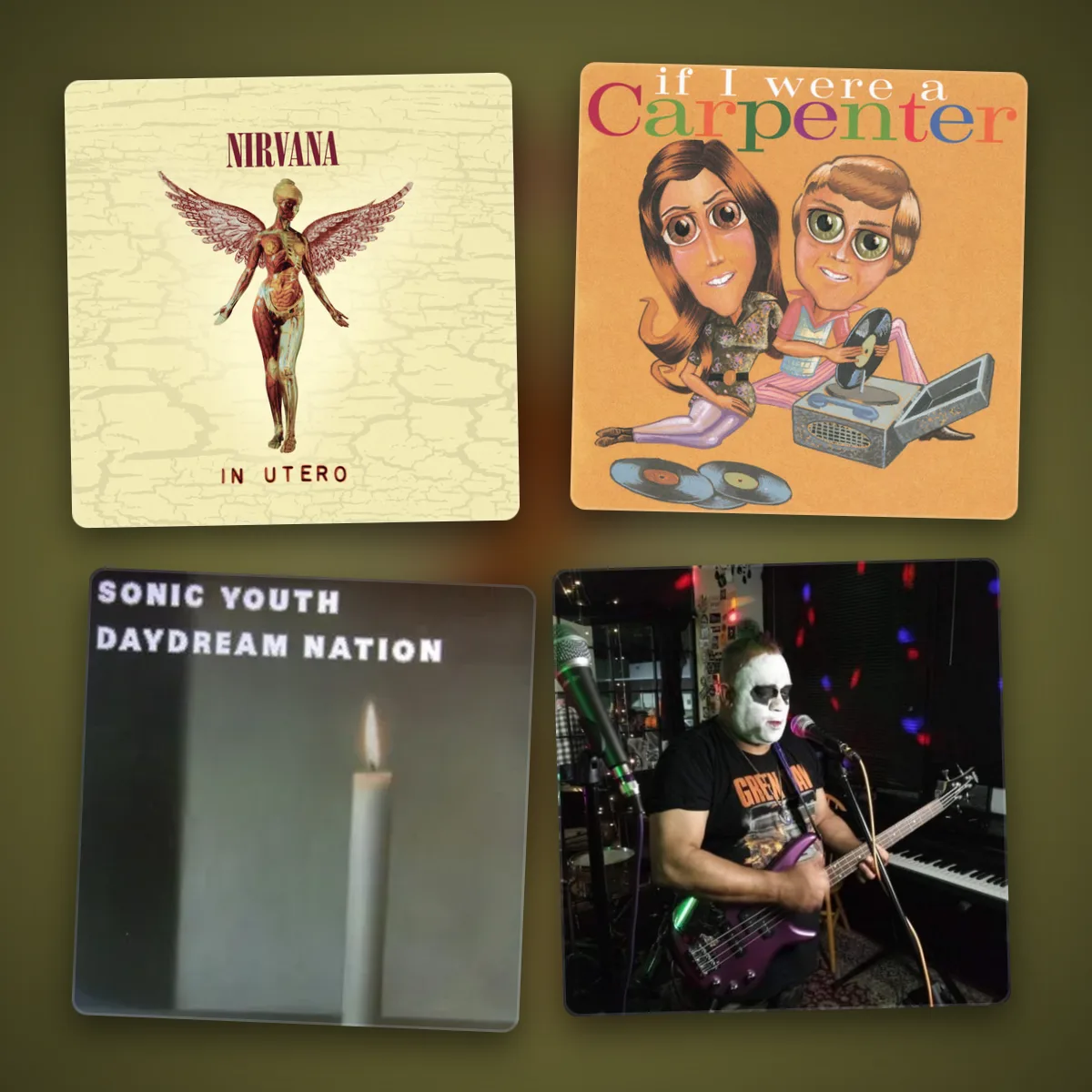
Top albums
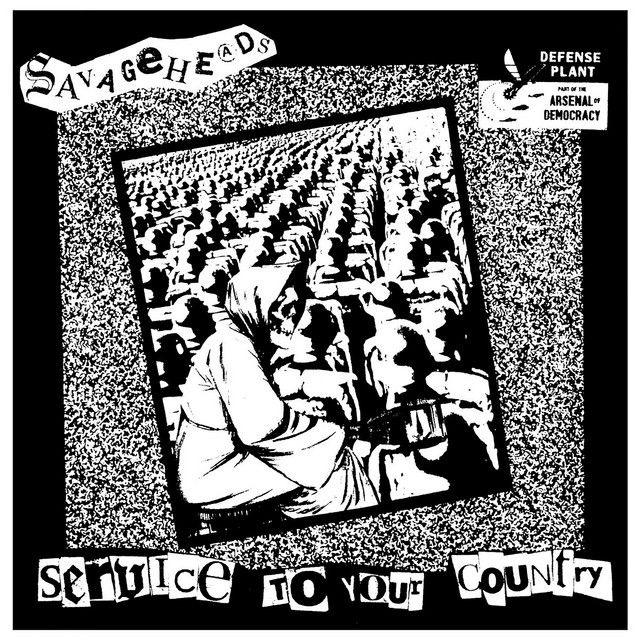
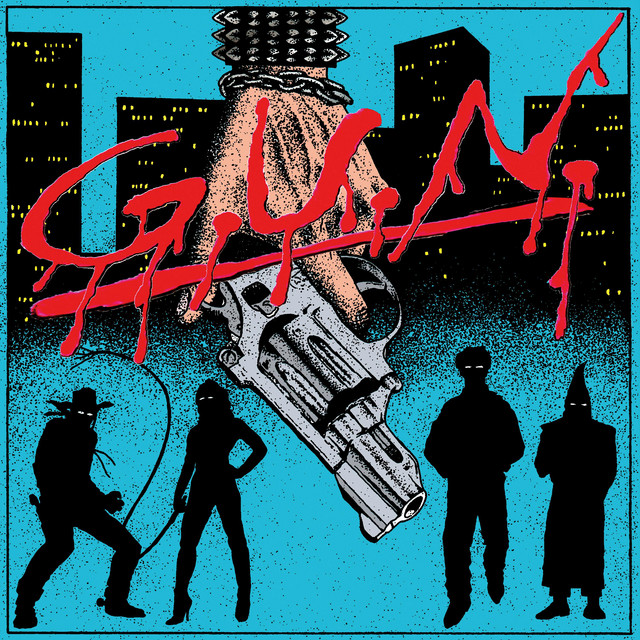
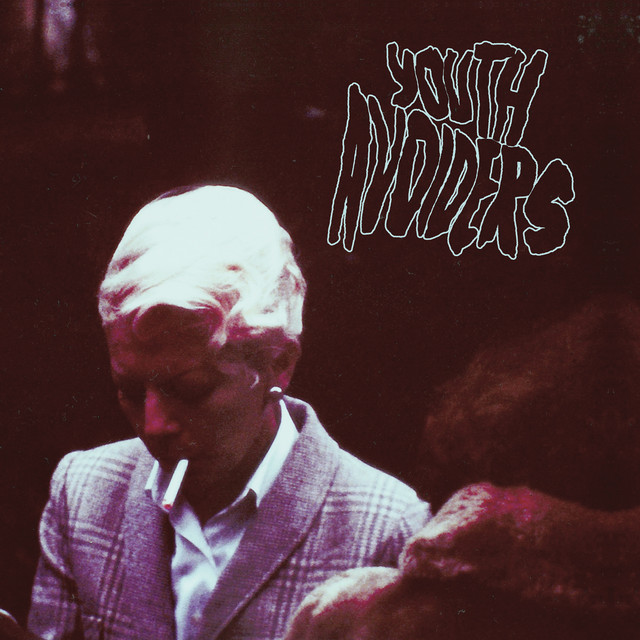
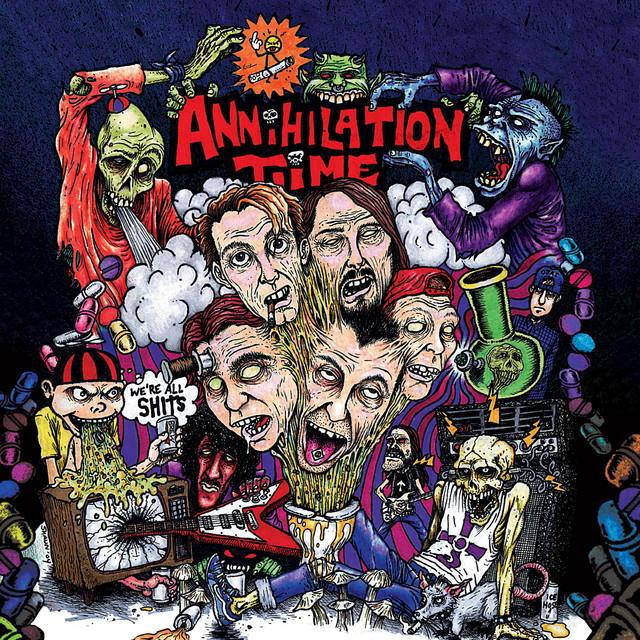
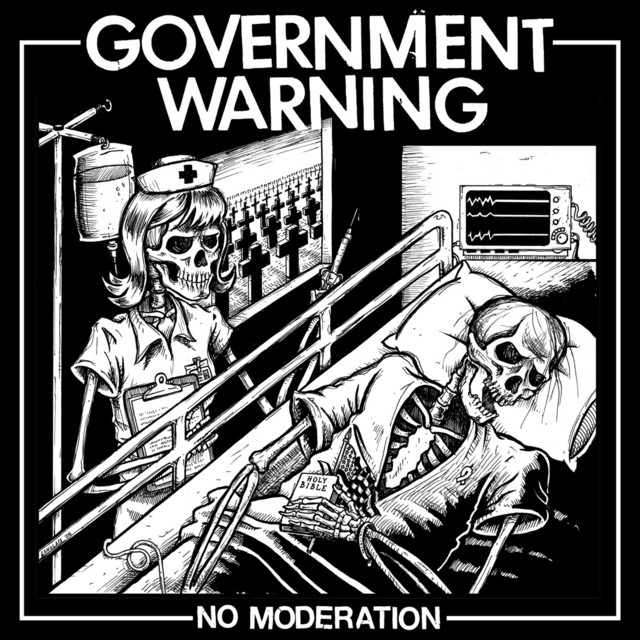
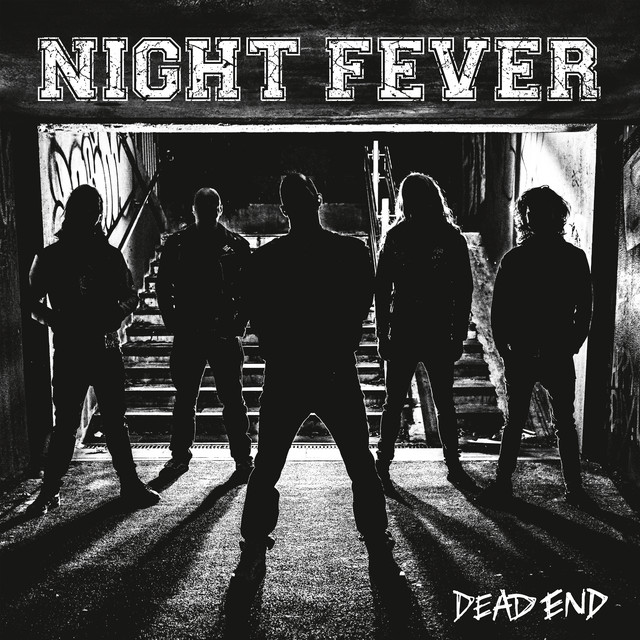
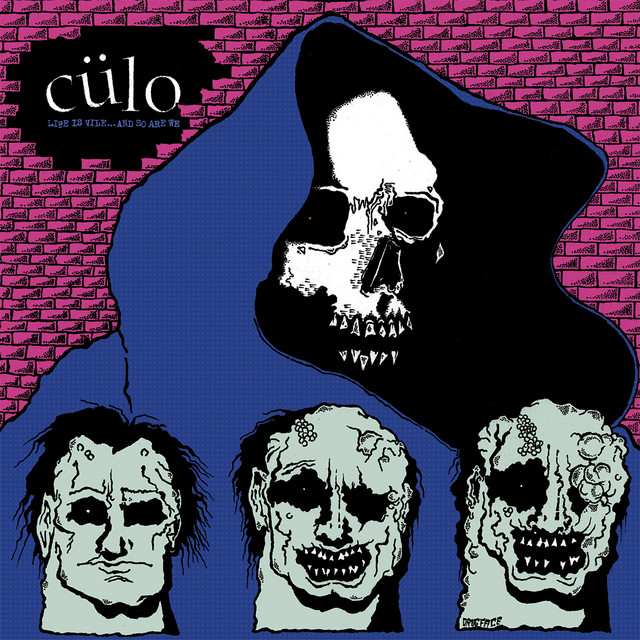
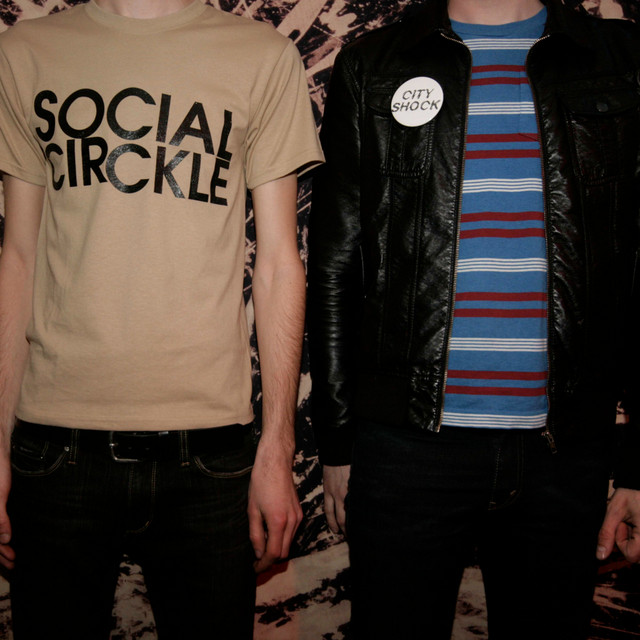
Best playlists



Influenced by

Other similar genres
Genres sharing the most artists with Slash Punk