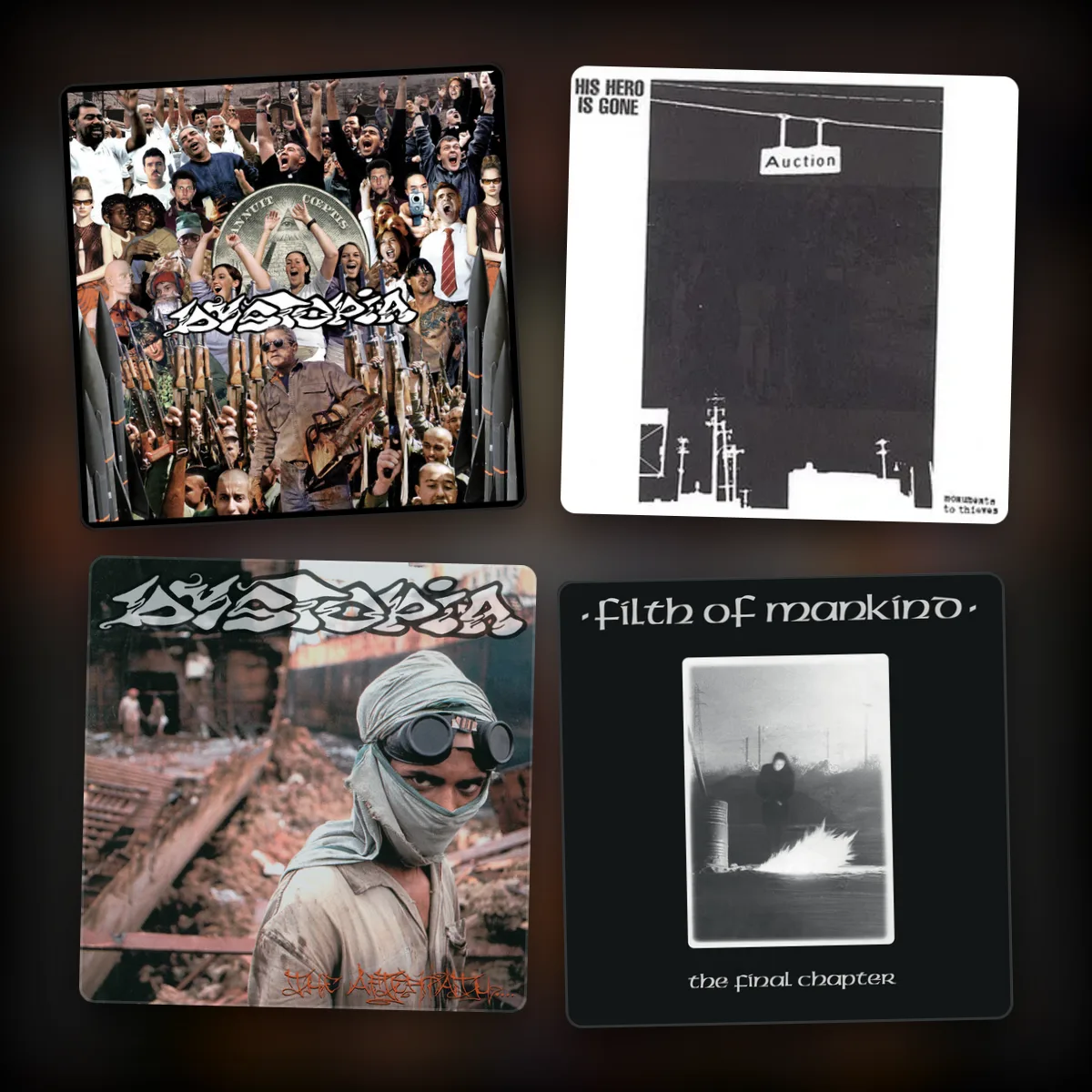
Description
Sludgecore is heavy, abrasive music driven by distorted guitars, pounding drums and intensely screamed vocals. The term is used by Every Noise at Once and Spotify’s “The Sound of Sludgecore” playlist, though published discussion of the style is scarce. Its tracks are often fast and relentless, with rapid kick drums, hard snare hits and crashing cymbals; some shift into slower, weighty breakdowns.
Low-tuned guitar riffs and overdriven bass form a dense, dark sound. Syncopated, palm-muted chugs lock in with the drums, while dissonant chords and chromatic riffs add tension. Some tracks bring in higher, harmonized guitar leads; others concentrate on rhythmic abrasion. The vocals range from raspy, high-register screams to lower guttural shouts, usually delivered in English, although the words can be difficult to make out.
Sludgecore sits close to sludge metal and doom metal in its thick distortion and foreboding weight, while its forceful drumming and harsh delivery draw on hardcore punk. The jagged rhythms of mathcore and the dissonance and feedback associated with noise rock are also useful reference points. Production ranges from punchy, tightly compressed mixes to rawer recordings in which guitars and cymbals blur together. Track titles such as “Funeral Mouth,” “Anxiety” and “Apathy” suggest a bleak, confrontational sensibility.
Based on: Every Noise at Once, Spotify's genre tags and playlist

An Ignorant Guide to Sludge Metal
Coolea

TOP 10 - Sludge bands
Headbanger's Castle

Sludge Metal In 60 Seconds #short
Lovro Zimak

The BEST SLUDGE METAL Albums of The 1990s Pt. 1 #bestmetal #metal #sludgemetal
Void of Metal
Build the riffs
Start with low-tuned, heavily distorted guitars and overdriven bass. Use dark chromatic movement, dissonant intervals and power chords, alternating sustained weight with tightly palm-muted, syncopated chugs. For the density of sludge metal and doom metal, let repeated riffs carry tension rather than resolving quickly.
Shape the rhythm
Write forceful drum parts with prominent snare and cymbal crashes. Fast kick patterns and double-kick passages can drive the music forward; contrast them with a heavy half-time breakdown. For a mathcore edge, use abrupt rhythmic accents and dissonant, jagged riff patterns.
Record the vocals and mix
Deliver vocals as raw screams or guttural shouts. Keep the overall sound loud and dense, choosing either a punchy, tightly controlled mix or a rougher, saturated approach closer to noise rock. Occasional high guitar harmonies can cut through the rhythmic mass.

5 Stupidly Heavy SLUDGE METAL Riffs 🔥️🔥️🔥
East Village Guitar Method

Sludge Metal MEANEST Guitar Riffs EVER
Jojo Plays Music

how do you write sludge riffs??? #guitar #hawktauh #sludgemetal
Witchpit

Can you sludge with a chainsaw? 🤘 #shorts #sludgemetal #guitar
Andertons Music Co

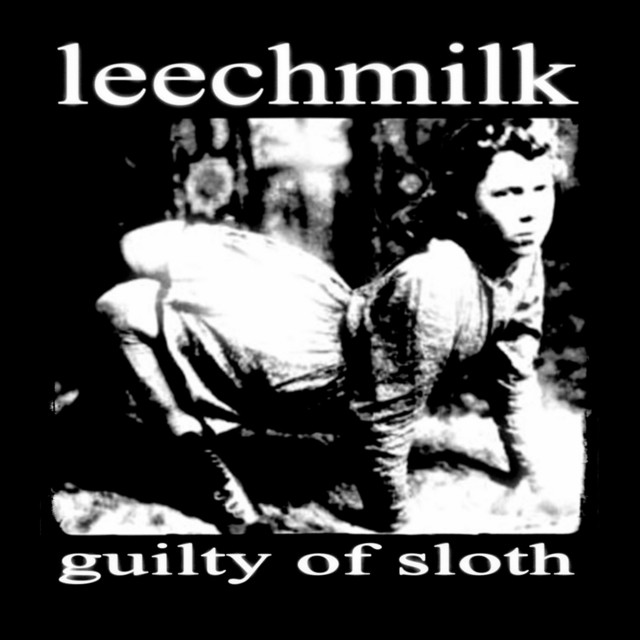
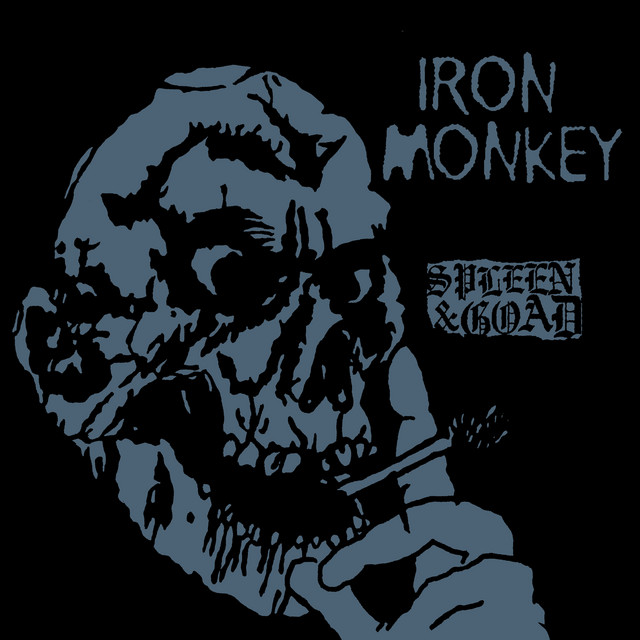
Top albums





Best playlists



Influenced by


Other similar genres
Genres sharing the most artists with Sludgecore