Description
Small room centers on intimate, often wistful songs carried by guitars, bass, drums and English-language singing. The name comes from Spotify’s genre labels, the Every Noise at Once map and the playlist “The Sound of Small Room”; very little has been published about it.
The music tends to move at a slow or mid-tempo sway, with strummed acoustic guitar or softly ringing electric guitar alongside a steady drumbeat. Voices are often breathy, relaxed or weary, sometimes doubled or joined by harmonies. Simple chord progressions and gently descending melodies add to the reflective mood. Many recordings have a warm, hazy sound, with reverb around the guitars and vocals, while others are drier and more immediate. Piano, organ or other keyboard textures sometimes fill out the arrangements.
There are affinities with the subdued songwriting of slowcore and the rawer approach to folk associated with anti-folk. The playlist’s English titles, such as “Wish We Talked Still” and “all the lonely nights in your life,” suggest themes of distance and loneliness. Many of its releases are from the mid-to-late 2010s.
Based on: Every Noise at Once, Spotify's genre tags and playlist
Write a simple song
Start with a short, repeating chord progression and a melody that feels natural to sing. Let the tune linger on a few notes or fall gently at the ends of phrases. Slowcore offers a model for subdued pacing; anti-folk suggests a rawer, less polished approach to songwriting.
Build the arrangement
Use strummed acoustic guitar or softly ringing electric guitar as the foundation. Add bass and a steady acoustic drum beat, keeping the rhythm unhurried. A quiet piano or organ part can add color without crowding the song.
Record the voice and space
Sing in a relaxed, understated register, and try doubling the lead or adding a simple harmony. Give the vocal and guitar some warm reverb for a hazy sound, or keep them dry and close for a more immediate recording.

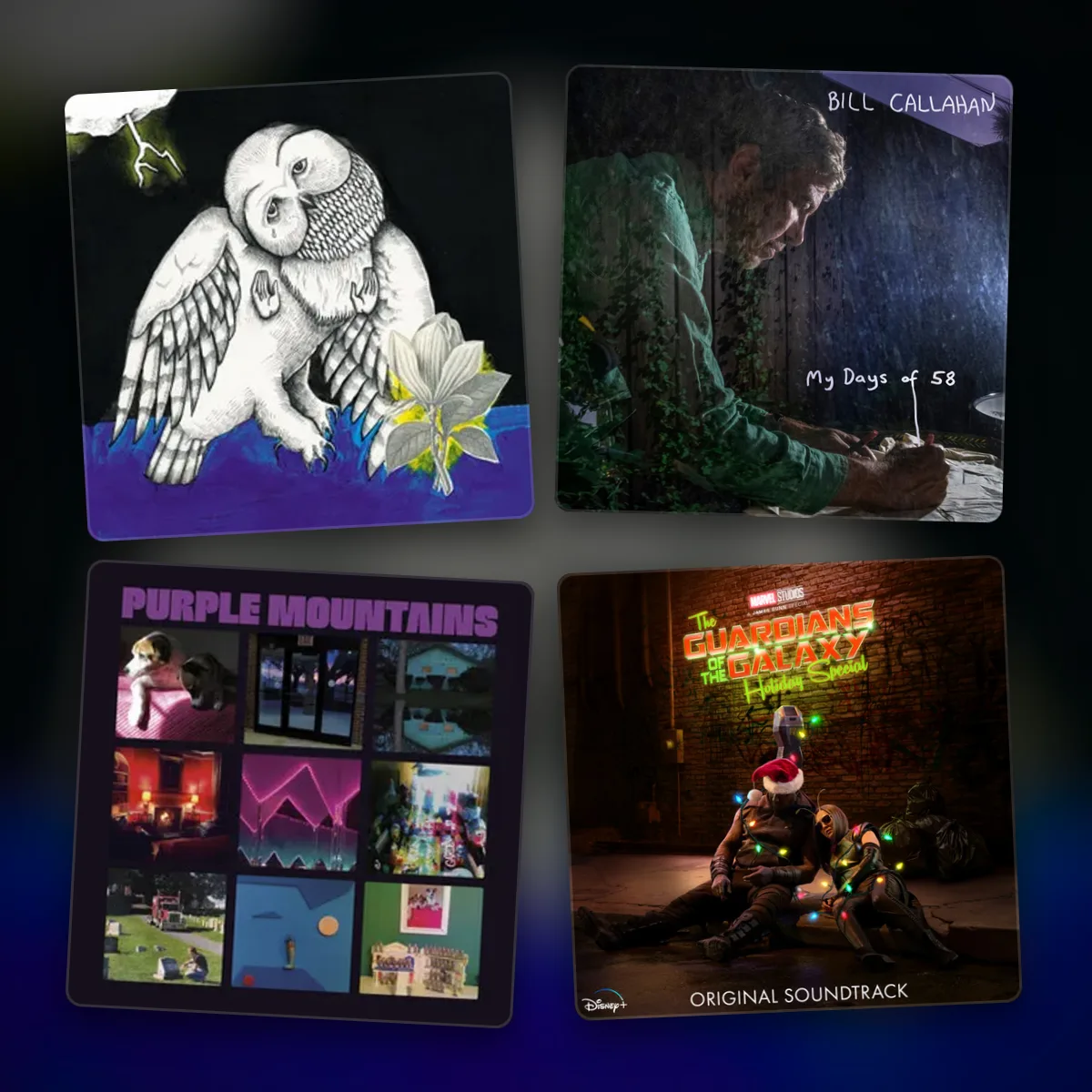
Top albums



Best playlists



Influenced by

Other similar genres
Genres sharing the most artists with Small Room