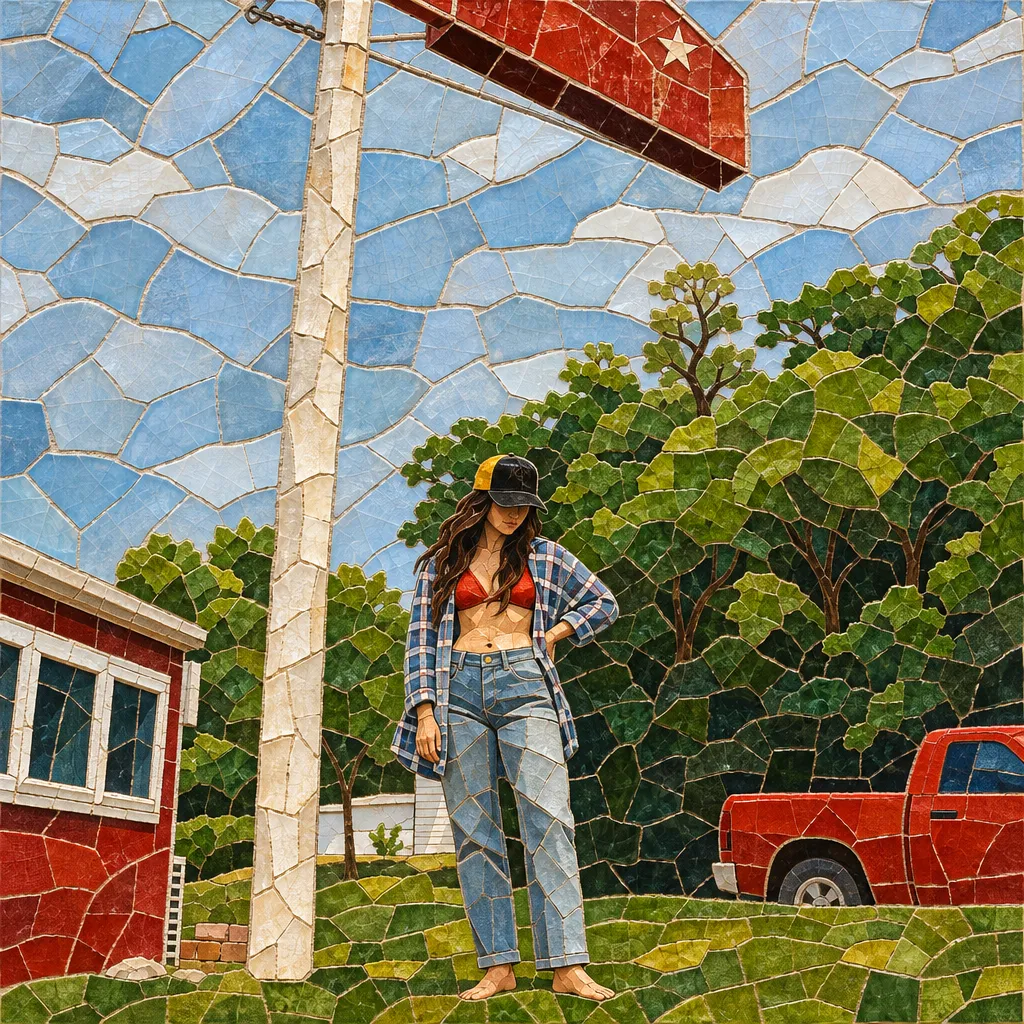
Description
Southern gothic is a dark, atmospheric approach to country and Americana that combines roots-music storytelling with brooding arrangements and introspective singing. Its songs often make the American South a haunted presence rather than simply a backdrop, using religious imagery, death, violence, loss and family conflict to explore the tensions of life and place.
The music draws on traditions including gospel, bluegrass and jazz, as well as gothic rock and post-punk. Some accounts use Southern Gothic and gothic country as interchangeable names; others reserve gothic country for a narrower sound associated with a Denver scene.
Based on: Wikipedia, riffiter.com, theruggedrevival.com, perlego.com

Gothic Country, and Where to Start Exploring It
eclecticism
History
Literary roots and musical storytelling
The musical use of Southern Gothic draws its name from a literary tradition associated with writers such as Faulkner and Flannery O’Connor. Critics applied the label to records whose narratives evoked a haunted South, including songs concerned with murder and religious dread.
A Denver scene
In the 1990s, a regional gothic country scene took shape in Denver. David Eugene Edwards helped pioneer its sound through 16 Horsepower and later Wovenhand. This scene is central to a narrower understanding of gothic country, although Southern gothic can also be used for a wider range of music.
Later artists
Contemporary Southern Gothic artists including Brandon Legion, Iris Marlowe and Van Tastik blend folk sensibilities with atmospheric, cinematic arrangements.
Begin with a story
Build a song around a vivid sense of place and a narrative with unresolved tensions. Religious imagery, loss, betrayal or a troubled family relationship can provide material; let details suggest a haunted landscape rather than explaining every part of the story.
Shape the atmosphere
Use a brooding arrangement and an introspective vocal delivery to support the narrative. You could contrast the directness of a country or folk melody with darker textures, leaving enough space for the words to carry the scene. A hymn-like quality can give the music a connection to gospel without requiring a full choir.
Draw on related traditions
A common approach in country and roots music is to start with an acoustic guitar and voice, then add parts gradually around the vocal. You could borrow the tension of gothic rock or post-punk for a more unsettled arrangement, or use bluegrass and jazz influences as colors while keeping the storytelling in focus.

DIY Southern Gothic Score
Alexander Taylor

How To Make A Southern Gothic Type Beat
808 Xae

Top albums

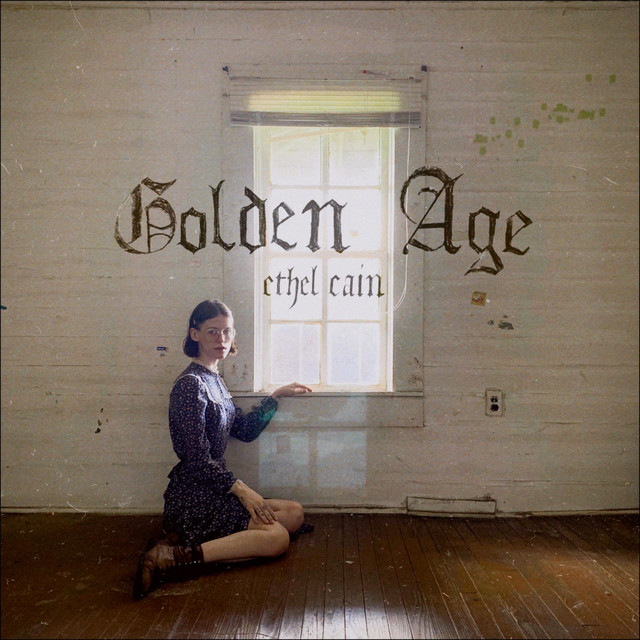
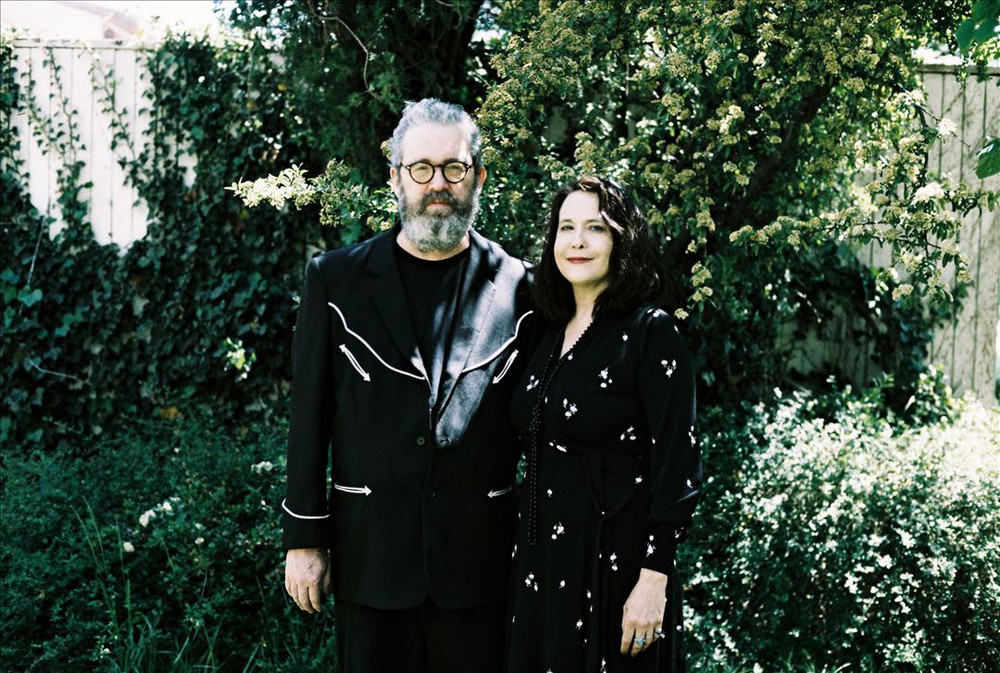




Best playlists
Southern Gothic
Melodigging
Southern Gothic
Chosic
Southern Gothic/Dark Western
Seanathan Alexand

southern decay | southern gothic inspired playlist
ezzy

The Devil’s Playlist Southern Gothic Music That Will Haunt You
Western Plains Radio
Influenced by


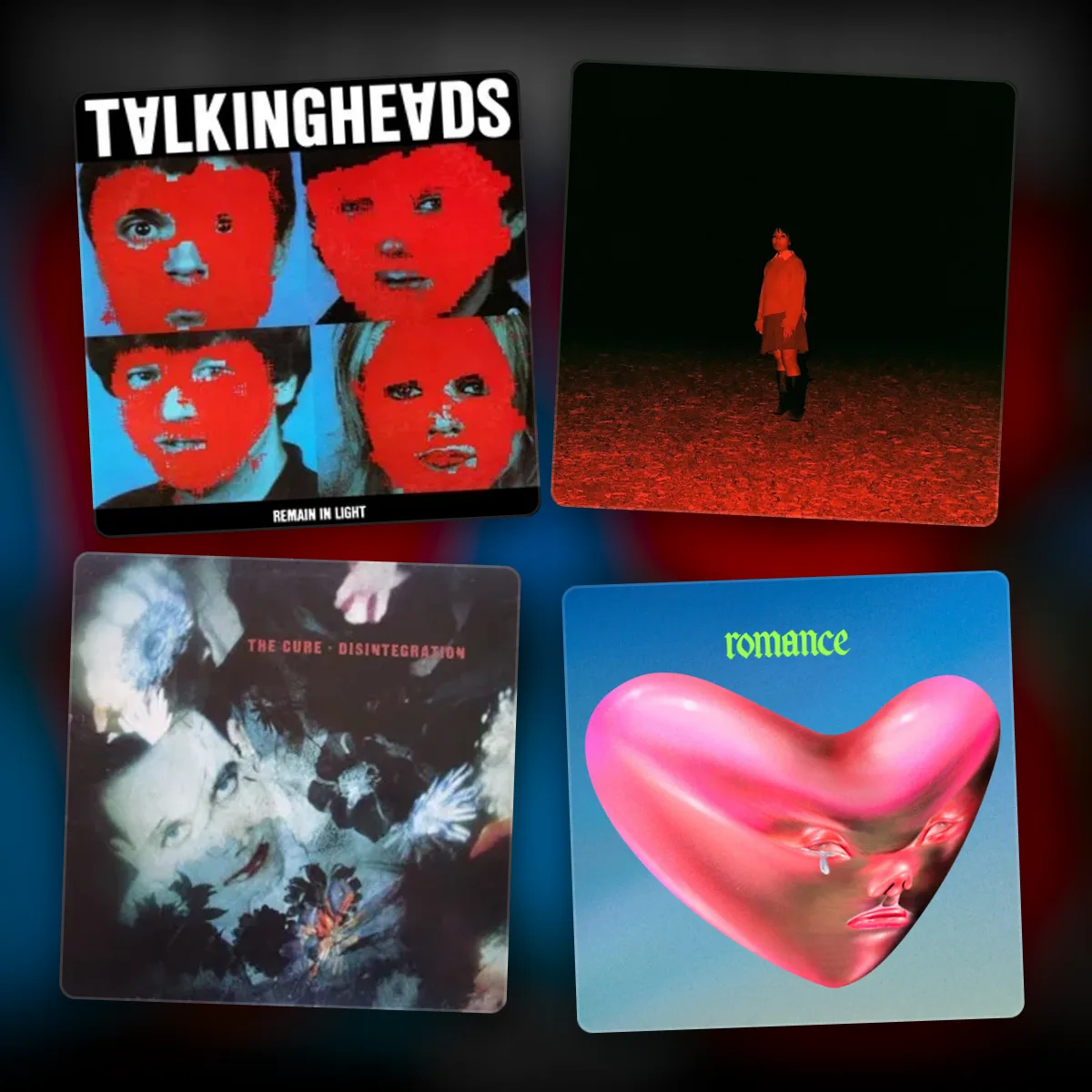




Other similar genres
Genres sharing the most artists with Southern Gothic