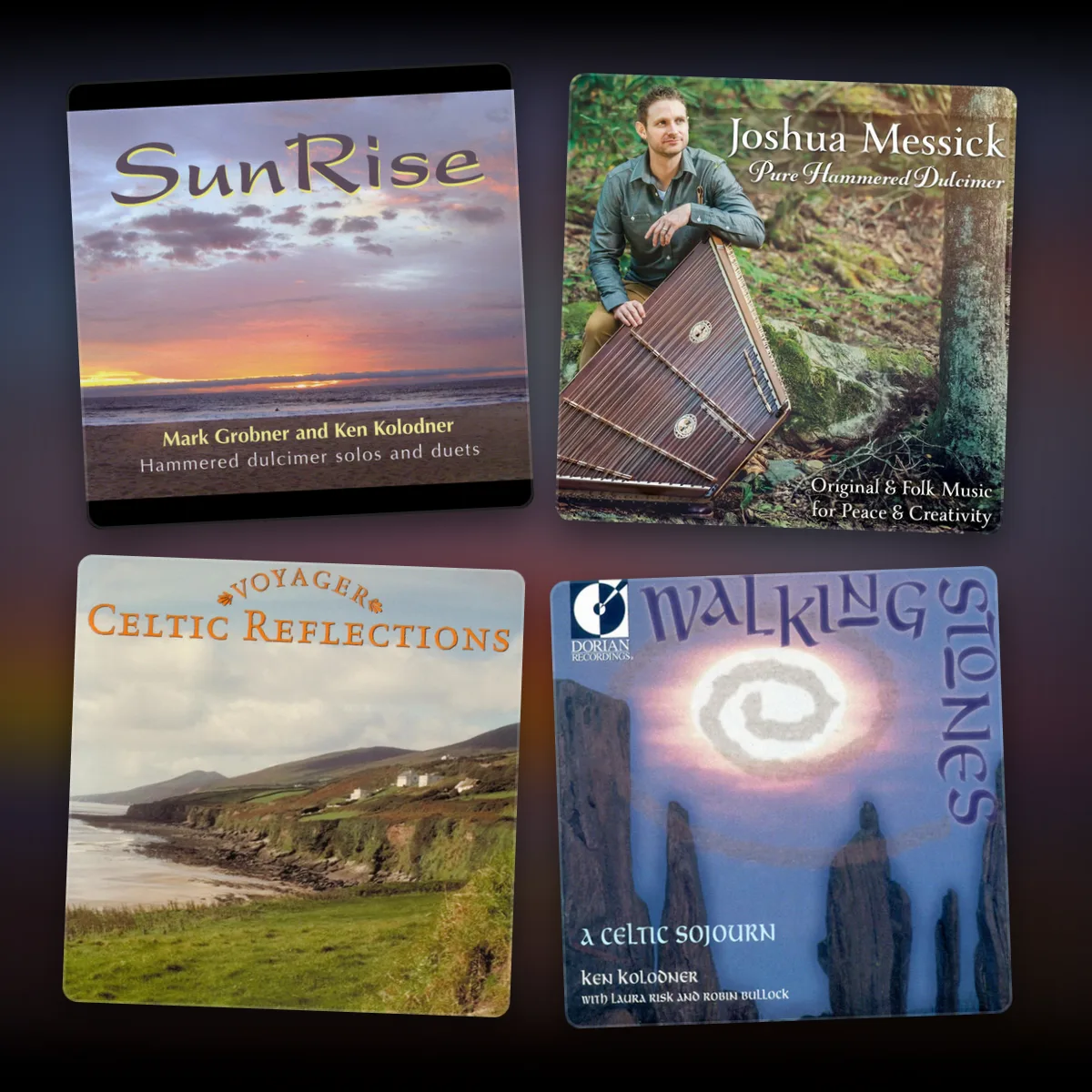
Description
Plucked and struck acoustic strings carry flowing melodies, from quiet, spacious tunes to brisk, rhythmic folk pieces. String folk is a name used by Spotify’s Every Noise at Once and The Sounds of Spotify playlist, with scant writing devoted to it. The music is predominantly instrumental, and its pulse often comes from picking, strumming and arpeggios rather than drums.
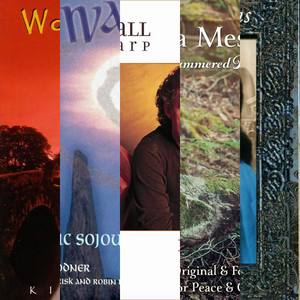
Guitar is among the sounds, while harp and hammered dulcimer are prominent in the repertoire and album titles. Melodies tend to be lyrical and ornamented, supported by simple major, minor or modal harmonies; open-string drones and sustained background textures sometimes add depth. Recordings often give the instruments room to resonate, ranging from intimate and close to warmly reverberant.
Its artists are frequently associated with celtic and traditional folk, and the repertoire includes lullabies, waltzes, jigs and reels. Some titles are in Irish as well as English. The mood is often peaceful and reflective, with a touch of melancholy or pastoral nostalgia, though quicker pieces can be lively and earthy. Many of the releases in the playlist date from the 1990s and 2000s.
Based on: Every Noise at Once, Spotify's genre tags and playlist

How Many Instruments!? #shorts
HarpistKT
Choose an acoustic lead
Build around a plucked or struck string instrument, such as acoustic guitar, harp or hammered dulcimer. Let the instrument carry both the tune and much of the rhythmic motion, with little or no percussion.
Shape the tune
Draw on celtic and traditional folk melodies. Try a lyrical phrase over arpeggiated chords, or give a jig or reel a steady, brisk pulse. For a more reflective piece, slow down and allow the timing to breathe. Use grace notes, slides or hammer-ons to ornament the melody, and let an open string or sustained note form a drone underneath.
Record for resonance
Keep the arrangement clear and acoustic-centered. Capture the attack and decay of the strings, adding a little room ambience or warm reverb without obscuring the playing.

Making Pipa: A traditional Chinese plucked string instrument with bright tone and rich techniques
5s Crafts

How to make Folk Punk
Pagefire

5 Cool Stringed Instruments You've Never Played! | #gear4music #g4m #guitar #ukulele #dannysapko
Gear4music Guitars

Beginning Fiddle Backup, 1, 4, 5 chords
Bluegrass with Friends

Top albums






Best playlists

Influenced by


Other similar genres
Genres sharing the most artists with String Folk