Description
Swedish synth brings together minor-key synthesizer melodies, pulsing electronic bass and vocals, often driven by fast, insistent drum-machine rhythms. The term is used by Every Noise at Once, Spotify’s genre labels and the playlist “The Sound of Swedish Synth,” though commentary on the style is scarce. Some tracks pair a four-on-the-floor beat with arpeggiated synths and smooth, yearning singing; others turn toward distorted, shouted vocals and a darker, more mechanical attack.
The music ranges from melodic synth-pop to harder electronic body music and industrial sounds. Synth-pop’s clear hooks and spacious electronic production sit alongside the rhythmic force of EBM, while dark wave offers a point of reference for the more melancholy, dramatic songs. Reverb and delay give many tracks a wide, atmospheric sound, but harsher mixes can be dense and saturated. English and Swedish both feature, and titles such as “Come Home Again” and “Kommer Sörja Dig För Evigt” suggest themes of longing and loss.
Based on: Every Noise at Once, Spotify's genre tags and playlist
Build the pulse
Start with a fast, steady electronic beat. Use a four-on-the-floor kick or a firm backbeat, then add a sequenced synth-bass pattern that keeps moving beneath the chords. For a harder EBM or industrial approach, make the rhythm more mechanical and use distortion on the bass and percussion.
Write the synth parts
Work in a minor key. For a synth-pop or dark wave feel, build a repeating chord progression, an arpeggio and a memorable melodic lead over sustained pads. For a darker track, hold a single bass note or short riff and create tension through changes in texture.
Shape the voice and mix
Try a clean, expressive vocal for a yearning song, or a forceful, distorted delivery for a more aggressive one. Use reverb and delay to add space; keep the melodic layers polished and wide, or push saturation for a denser industrial sound.

Top albums








Best playlists

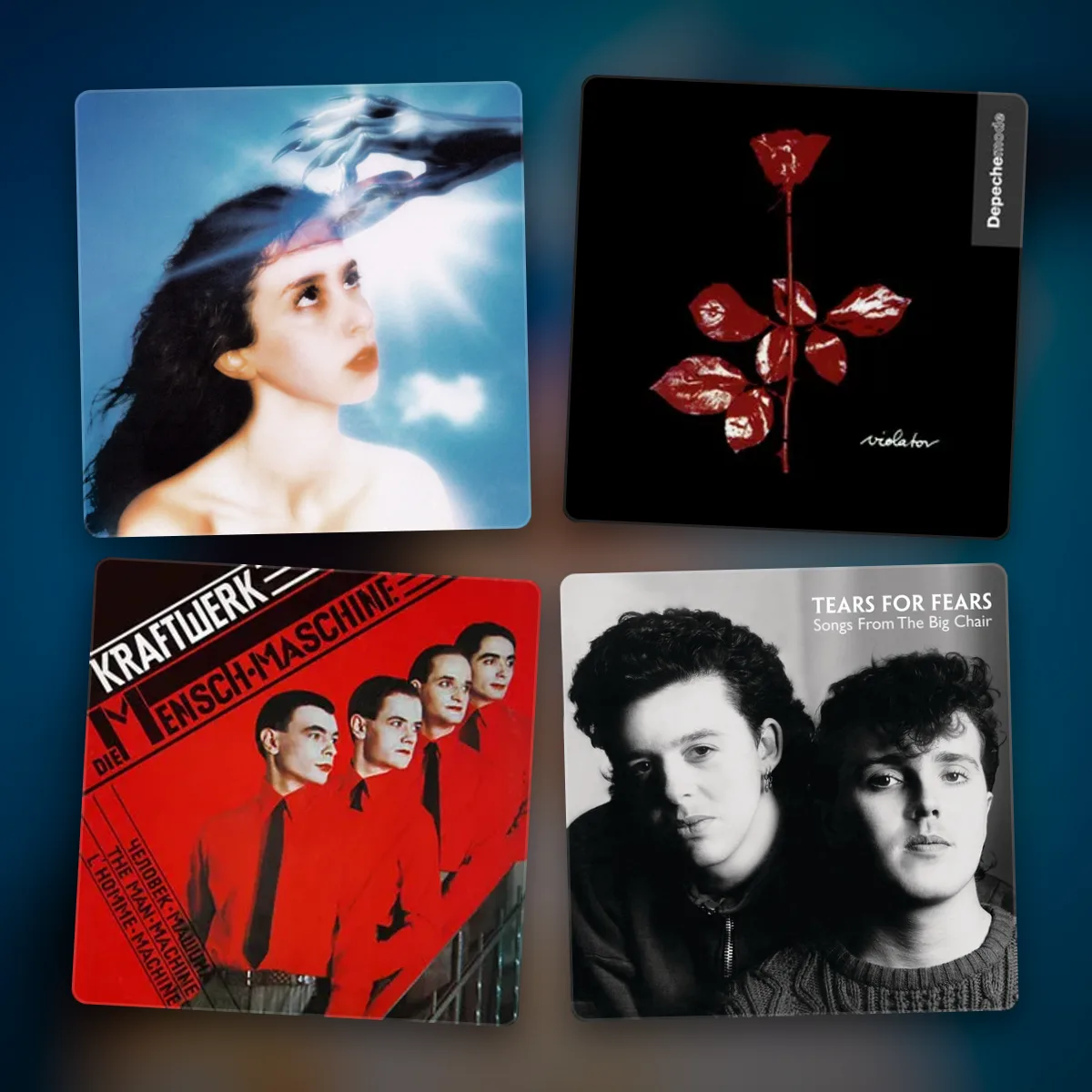
Influenced by



Other similar genres
Genres sharing the most artists with Swedish Synth