Description
Technical groove metal hits with low-tuned, heavily distorted guitar chugs, hard-driving drums and harsh screams or guttural growls. The name is used in Spotify’s genre labels and on Every Noise at Once, though there is scant writing about it.
The music tends to lock rapid double-kick patterns to syncopated guitar riffs, often giving a fast, relentless attack a heavier half-time feel. Bass reinforces the low end, while the guitars move through chromatic or dissonant figures as well as blunt, palm-muted rhythms. The production is typically dense, loud and tightly controlled, with wide guitar layers and precise, punchy drums. Some tracks add synthesizer textures or clean, melodic singing alongside the harsher vocals.
Its artists are also associated with groove metal and death metal: the former emphasizes weighty, syncopated riffs, while the latter brings rapid drumming and guttural intensity. There are affinities with deathcore’s heavy breakdowns and mathcore’s intricate rhythmic turns, too. Vocals are often in English, though other languages are also used. Much of the music on the playlist is from the 2010s.
Based on: Every Noise at Once, Spotify's genre tags and playlist

Metal Sub-Genres Explained
OPAL IN SKY

25 Metal Genres
TheSuffocater

GROOVE METAL THEN VS. NOW
Thomas Hogue

Groove Metal: The Definitive Metal Genre
Occulturation
Build the riff
Start with a low-tuned, heavily distorted guitar and write short, palm-muted patterns with syncopated accents. Draw on groove metal for a weighty pulse, and use chromatic movement or dissonant intervals to give the riff a sharper edge.
Lock in the rhythm
Double the guitar accents with bass and precise kick drums. Alternate rapid double-kick bursts with a slower half-time feel; take cues from death metal for intensity and from mathcore for more intricate rhythmic turns. A deathcore-inspired breakdown can emphasize the lowest, heaviest part of a riff.
Voice and production
Use forceful screams or low growls, with clean melodic singing as an optional contrast. Layer rhythm guitars broadly, keep the drums punchy and tightly defined, and use compression to create a dense mix. Synth pads or leads can add atmosphere or melody without displacing the riff.

The Rules of Groove for Writing Metal Riffs | Rules of Groove
NEMZER

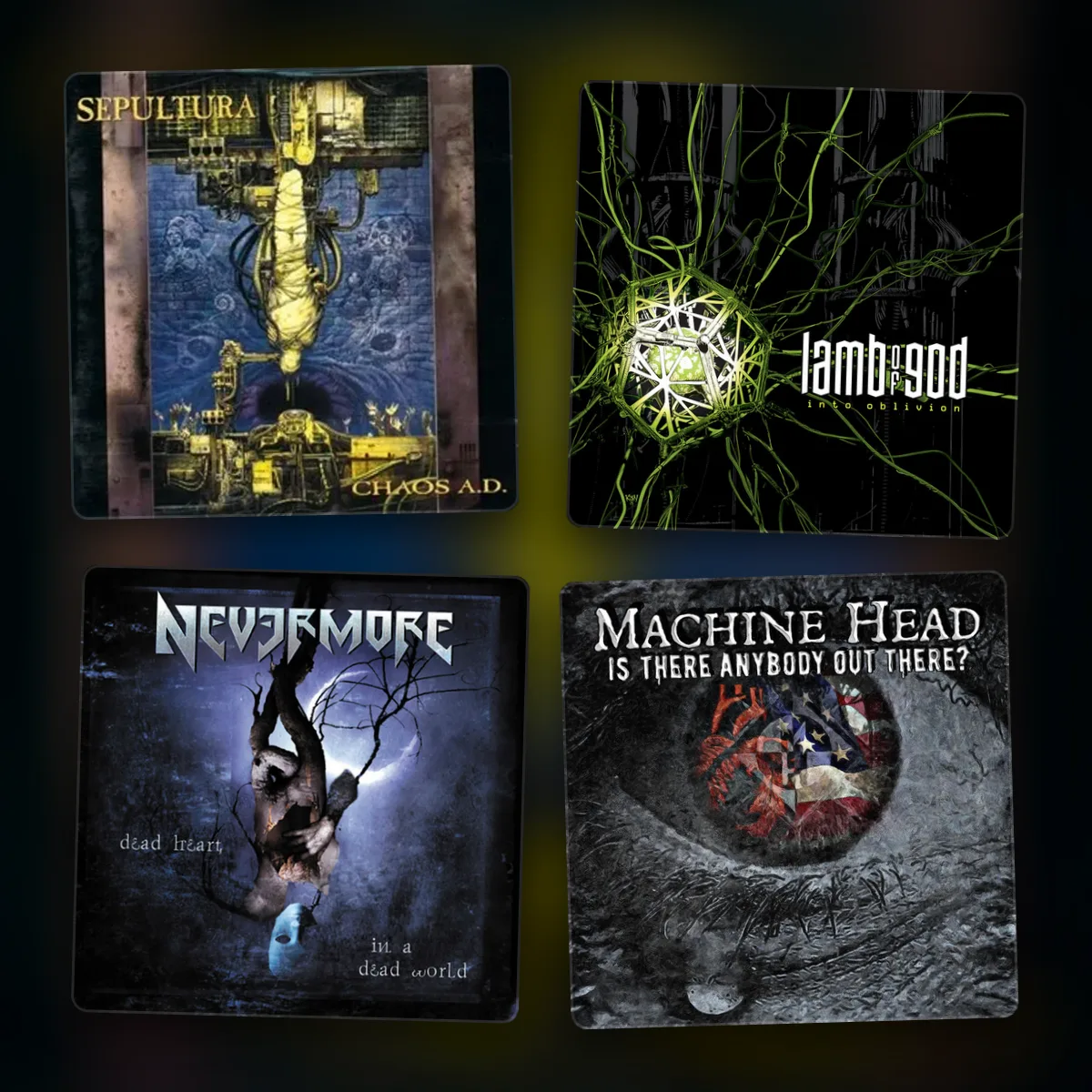
Top albums



Best playlists
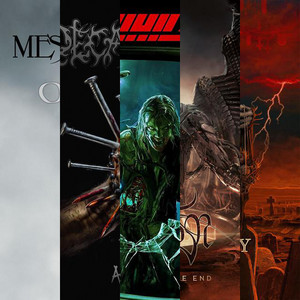


Influenced by



Other similar genres
Genres sharing the most artists with Technical Groove Metal