Description
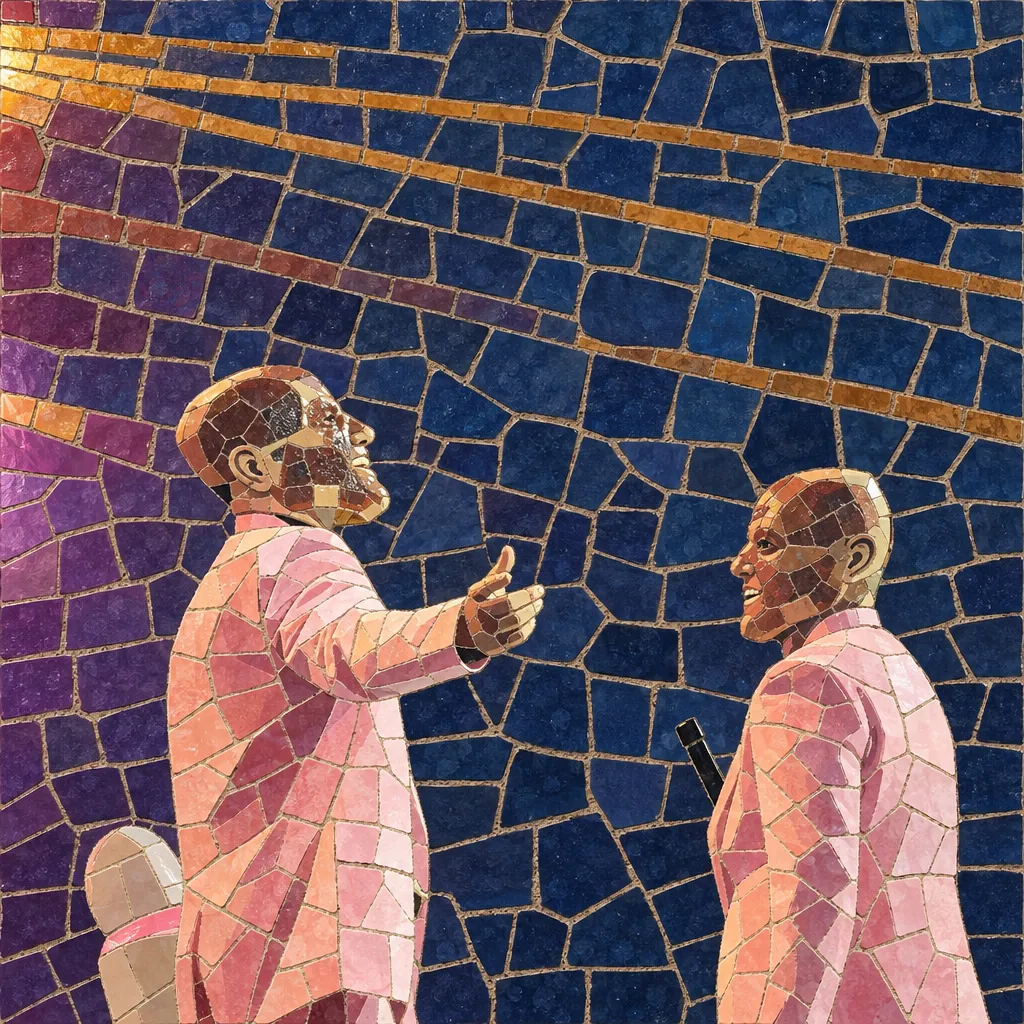
Tekk is a fast, forceful style of electronic dance music rooted in techno and especially associated with eastern Germany. Its sound is driven by prominent kick drums, hard, often distorted bass, rapid beats and repeating loops. Hardtekk commonly runs between 150 and 200 beats per minute, producing an intense, physical rave sound.
“Tekk” is often used interchangeably with “hardtekk,” although it can also be a broader term covering softer or slower variants and edits of familiar pop and Schlager songs. Some productions add striking synth sounds and hallucinatory vocals to the pounding drums.
Based on: hardtekk-germany.de, arte.tv, maximschunk.com, prodis.agjf-sachsen.de and
More on: Every Noise at Once

MoshTekk - TANZ AUF DEN WOLKEN
MOSHTEKK

MilleniumKid x JBS - Vielleicht [ Schleini Hardtekk Edit]
HARDTEKK UNIVERSE 🪐

In deiner kleinen Welt - ☠️Tekk Remix☠️ by SEBTEKK
HIGHTKK MUSIC

BOSS BITCH TEKK - Slowed
wharoxmane - Topic
History
Origins
Hardtekk grew out of techno culture in eastern Germany, with roots reaching back to the 1990s. It emerged around the 2000s as a distinct scene, shaped by eastern German clubs and parties as well as the soundsystem and organizational traditions of freetekno.
Scene and spread
The music became particularly significant in Thuringia, Saxony and Saxony-Anhalt, including in rural youth culture. Collectives, soundsystems and organizers have staged events in halls, on former industrial sites and outdoors, ranging from registered events to free parties. Once closely associated with an eastern German underground, the sound has spread more widely; short videos featuring edits, dancing and production have also helped it circulate.
Identity and controversy
A music critic has pointed to hardtekk playlists and online edits featuring Germany’s far-right AfD party. Some scene participants, by contrast, describe hardtekk as a symbol of openness rather than hate and celebrate its bass as a form of freedom on the dance floor.
Build the rhythm
Start with the kick: it is the defining element of hardtekk. Make it prominent in the mix and pair it with a hard, repetitive bass sound. A tempo within the commonly reported hardtekk range of 150–200 BPM will put a track in its faster territory; for the broader tekk category, you could also explore a slower or softer approach.
Develop the sound
Use short, recurring rhythmic and musical elements to create a relentless forward drive. Experiment with distortion on the bass, adjusting it so the kick and pulse remain perceptible. For contrast, you could add synth figures or treated vocal fragments without crowding the central rhythm.
Arrange for movement
A common approach in techno is to build an arrangement by introducing and withdrawing layers around a repeating loop. You could use that method to create changes in intensity while keeping the beat and bass at the center.
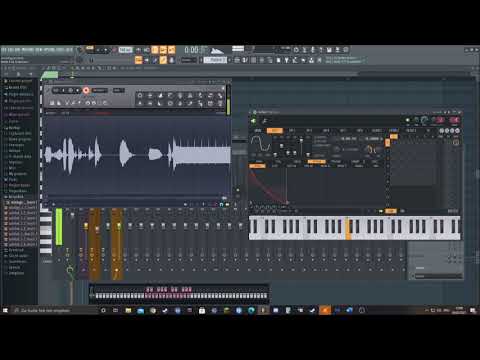
GehLekTeks How To Tek - FL Studio Tutorial Ep. 1: Kick-Bass Production
Gehlektek
HOW TO MAKE HARDTEK IN 5 MINUTES (FREE FLP)
paraffin

How to make hardtekk
Robert Stallard

DARK TRIAD / BP / HARDTEKK BEAT TUTORIAL
johnertekker

Top albums




Best playlists


Influenced by

Other similar genres
Genres sharing the most artists with Tekk