Description
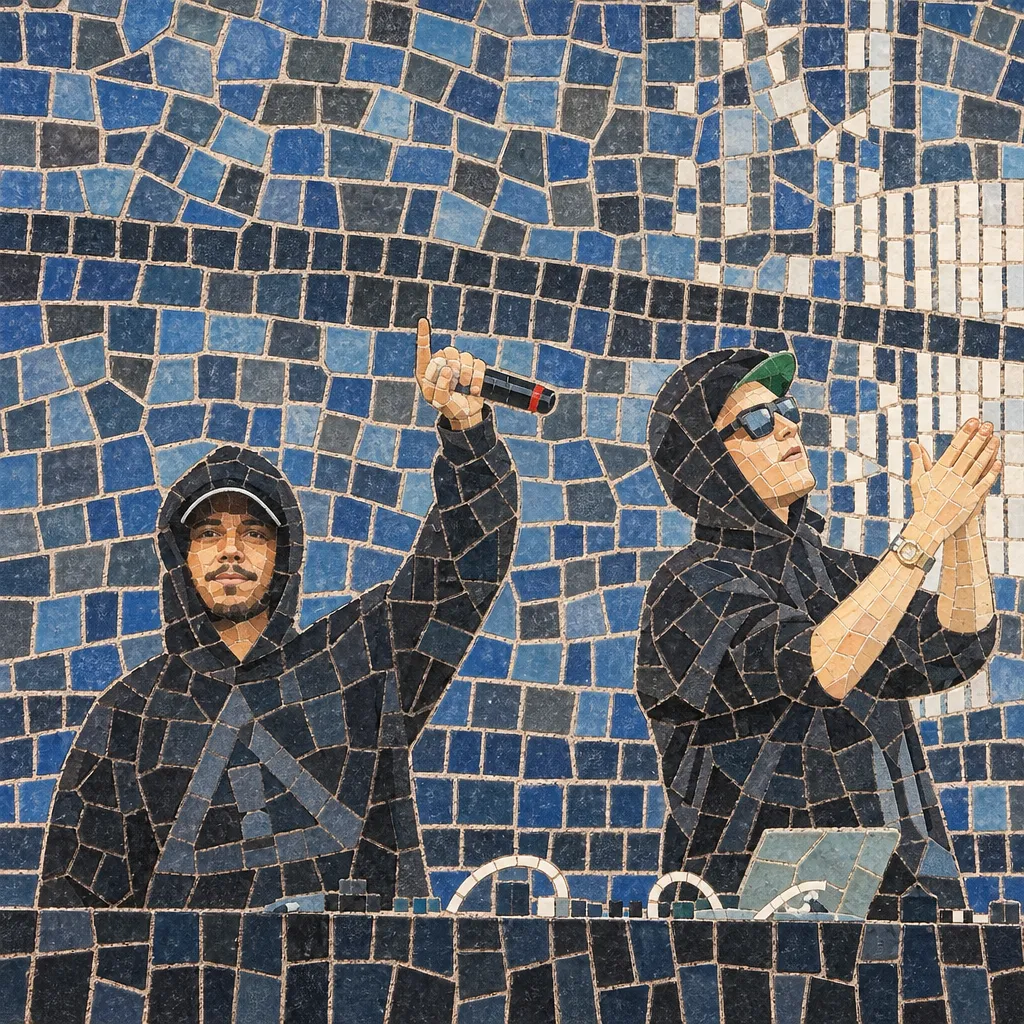
Heavy electronic beats, deep sub-bass and shadowy synthesizers give traprun much of its weight, while rapped and sung vocals bring both confrontation and emotion. The term is used in Spotify’s genre labels, Every Noise at Once and the playlist “The Sound of Traprun”, but has scarcely been described in writing.
The music ranges from trap and hip-hop-based tracks to electronic dance and dance-pop. Many tracks have a heavy half-time feel, with booming kicks, crisp snares or claps and quick hi-hat rolls; others move towards a steadier dance pulse before opening into a more spacious breakdown. Synth pads and repeating minor-key motifs create a brooding atmosphere, although fuller chord progressions can make the music feel dramatic or euphoric.
Vocals range from assertive or emotional rap to breathy, expressive singing, mostly in English. Chopped or pitch-shifted voices can also become part of the instrumental texture. Production tends to be polished, wide and bass-heavy, with reverb and delay adding space around the voices. Trap EDM is a close relative, sharing the syncopated percussion, 808-style bass and rapid hi-hats. Much of the playlist’s music dates from the late 2010s and early 2020s.
Based on: Every Noise at Once, Spotify's genre tags and playlist
Build the beat
Start with the syncopated percussion of trap edm: a deep 808-style kick and sub-bass, a crisp snare or clap, and quick rolling hi-hats. Give the groove a heavy half-time feel, or use a steadier dance pulse before a spacious breakdown.
Create the atmosphere
Use minor-key synth pads and a short repeating motif as the foundation. For a more dramatic track, expand into a fuller chord progression and an expressive melodic hook. Keep the low end prominent and the mix wide and polished.
Add voices and movement
Try an assertive rap or an emotive sung part. Use reverb and delay for space, and turn chopped or pitch-shifted vocal phrases into rhythmic or melodic layers. Contrast a dense, bass-heavy drop with a stripped-back section to give the arrangement shape.

How to Make TRAP Drum Patterns
Busy Works Beats

Speedrunning A Trap Beat In FL Studio #shorts
robtmb

Top albums





Best playlists




Other similar genres
Genres sharing the most artists with Traprun