

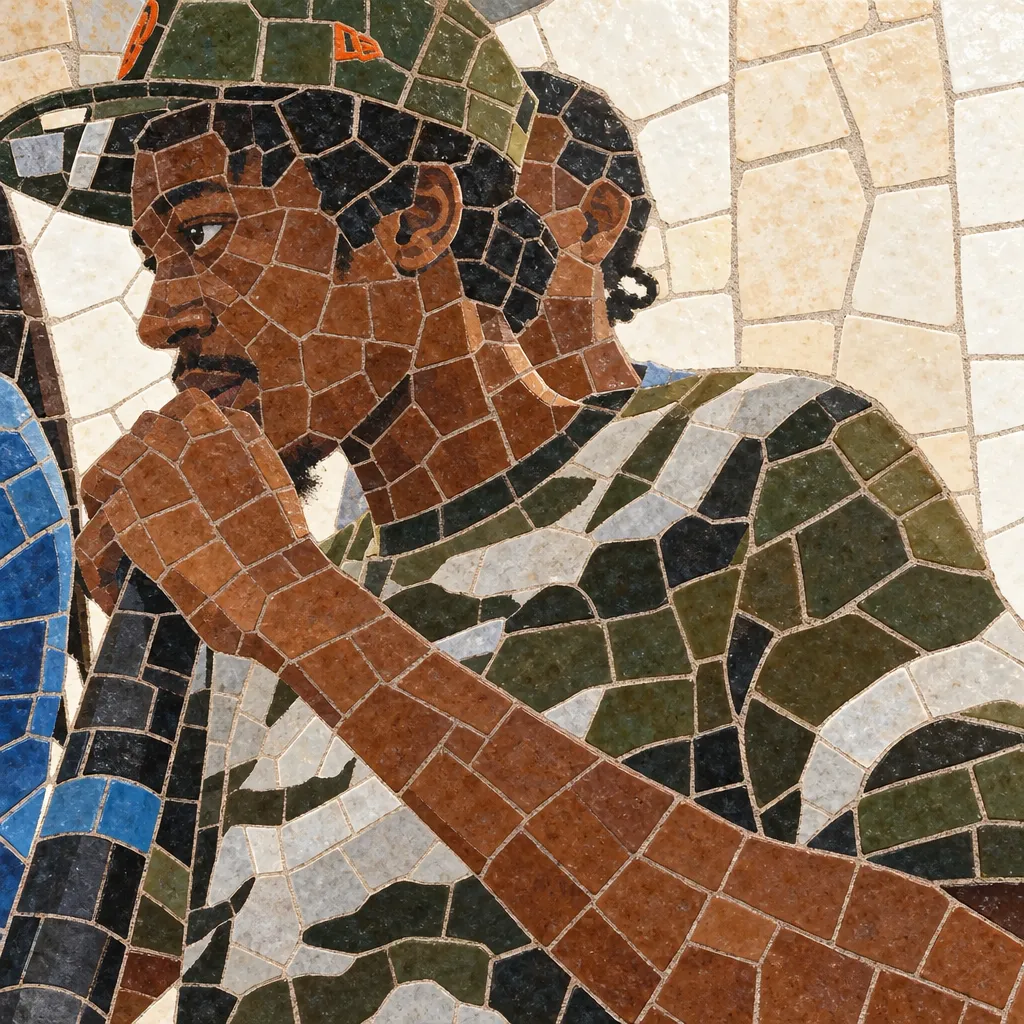
Description
Trinibad is a Trinidad and Tobago music scene connected to dancehall. Its music brings local speech, accents and lived experience into that dancehall context, while also having connections with trap.
An artist has contrasted Trinibad’s angrier, more dancehall-oriented sound with the party-oriented sound of zess. Neither comparison amounts to a fixed production formula: Trinibad artists draw on several influences.
Based on: bouyonsoca.com, sweettntmagazine.com
More on: Every Noise at Once

How Did Trinibad Start? | Kman, Medz Boss & Plumpy Boss
Sizwe C

TriniBad Vs Dancehall. Which Genre Wins? #trinidad #jamaica #trinibad #dancehallmusic
CaribbeanTrendy

Trinibad 2026 : More Than Just Music Its A Culture Modern Dancehall Sub-genre
GHETTO VYBZ TV

Can An Artist With “No Gang Affiliation” Be Popular Making Trinibad Music #trinibad
The GTV Network
History
A local dancehall scene
Trinibad developed within a Trinidad and Tobago scene connected to dancehall. Dancehall activity in the country predates the label’s prominence, so the history of the music is broader than the history of its name.
The name and its influences
DJ Punz, also known as Richard Romano, recalled hearing the term in songs and conversations around 2017–2018 and using it for a mix. The scene has since been discussed in relation to more than one style: an interview with Prince Swanny, for example, described connections with trap.
Start with the voice and character
Build around a dancehall-oriented vocal, letting the delivery and words reflect the local speech and experiences that distinguish the scene. For a more forceful result, try an angry, confrontational vocal character rather than treating the track primarily as a carefree party song.
Shape the rhythm and production
As a practical approach borrowed from dancehall, you could build a syncopated drum groove and leave space for the vocal to lead. Trap is also a useful related reference: you could experiment with deep bass and programmed percussion, adjusting their weight and placement around the vocal. Treat these as options rather than a mandatory recipe; the scene draws on several influences.

Making A PRINCE SWANNY Type Song! (Trinidad Dancehall Song)
BT Records TT

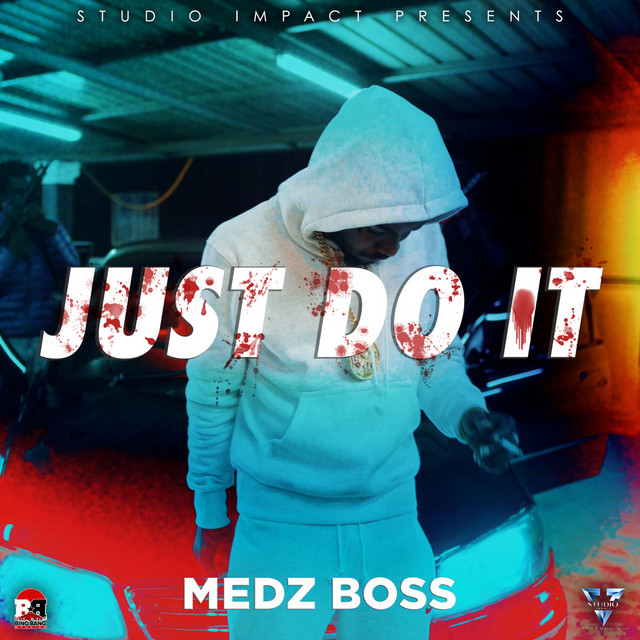
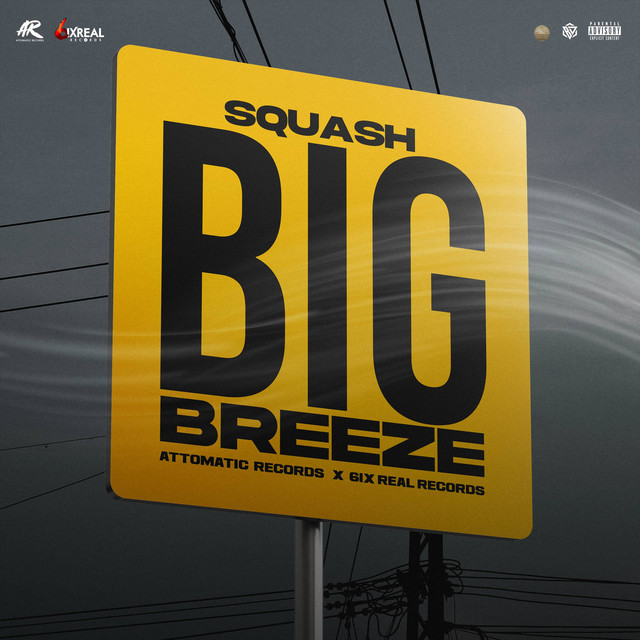
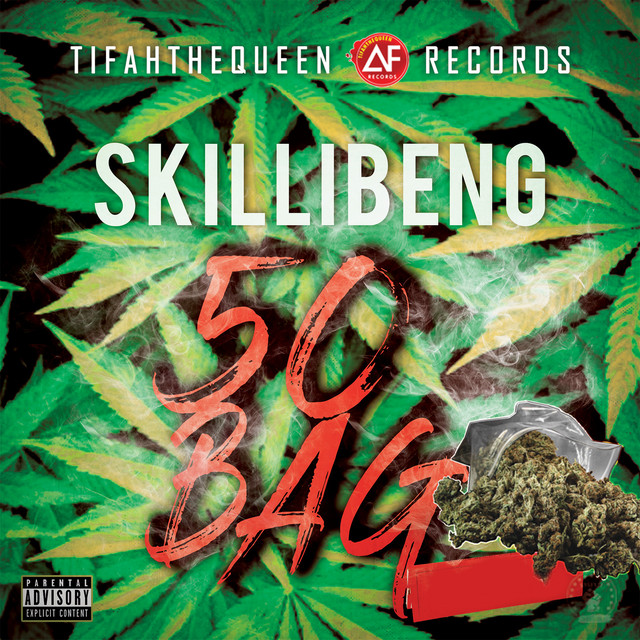
Top albums





Best playlists


Influenced by


Other similar genres
Genres sharing the most artists with Trinibad

