Description
Bright, driving guitar songs sit alongside softer, wistful moments in twee indie pop. The term comes from Every Noise at Once, Spotify’s genre map, and The Sounds of Spotify’s playlist “The Sound of Twee Indie Pop”; published discussion of it is scarce.
Electric guitars, bass and drums give much of the music a brisk band sound. Overdriven guitars play chugging chords and repeating riffs over snare-led beats and busy bass lines, while keyboards sometimes add color. Vocals range from punchy and energetic to soft and intimate, often with harmonies, doubled parts or backing voices. Catchy melodies and familiar-sounding chord progressions can make even the more wistful songs feel buoyant.
The production varies from polished, spacious mixes with reverb to rougher, room-like recordings. Many songs have an upbeat momentum, though gentler and more reflective tempos are also part of the picture. English-language titles such as “Do You Like Me,” “Your Melancholy Ways” and “Can’t Get You Off My Mind” suggest an interest in affection, uncertainty and everyday heartache. Many tracks date from the early 2000s.
Based on: Every Noise at Once, Spotify's genre tags and playlist

the return of twee/indietronica
Karsten Kroening

KENALAN SAMA GENRE TWEE POP
COMFORTE ZONE ID

A Brief History of Indie-pop
Stella's Encounter
Build the band sound
Start with electric guitar, bass and a live drum-kit sound. For a brisk song, use a steady beat with a firm snare backbeat and active hi-hats; give the bass a moving, propulsive line. Try overdriven chord stabs or chugging rhythms, then add a clean guitar riff for contrast.
Write a melody
Use a simple tonal chord progression and a memorable vocal hook. Layer harmonies, doubled leads or backing voices around an earnest lead vocal. English lyrics about affection, missed connections or everyday feelings would suit the songs represented here.
Shape the recording
Add keyboard or piano sparingly for color. Reverb on guitars or vocals can make the arrangement feel wider, while a more immediate, room-like mix will bring out its rough edges. For a gentler variation, slow the pulse and leave more space around the voice.

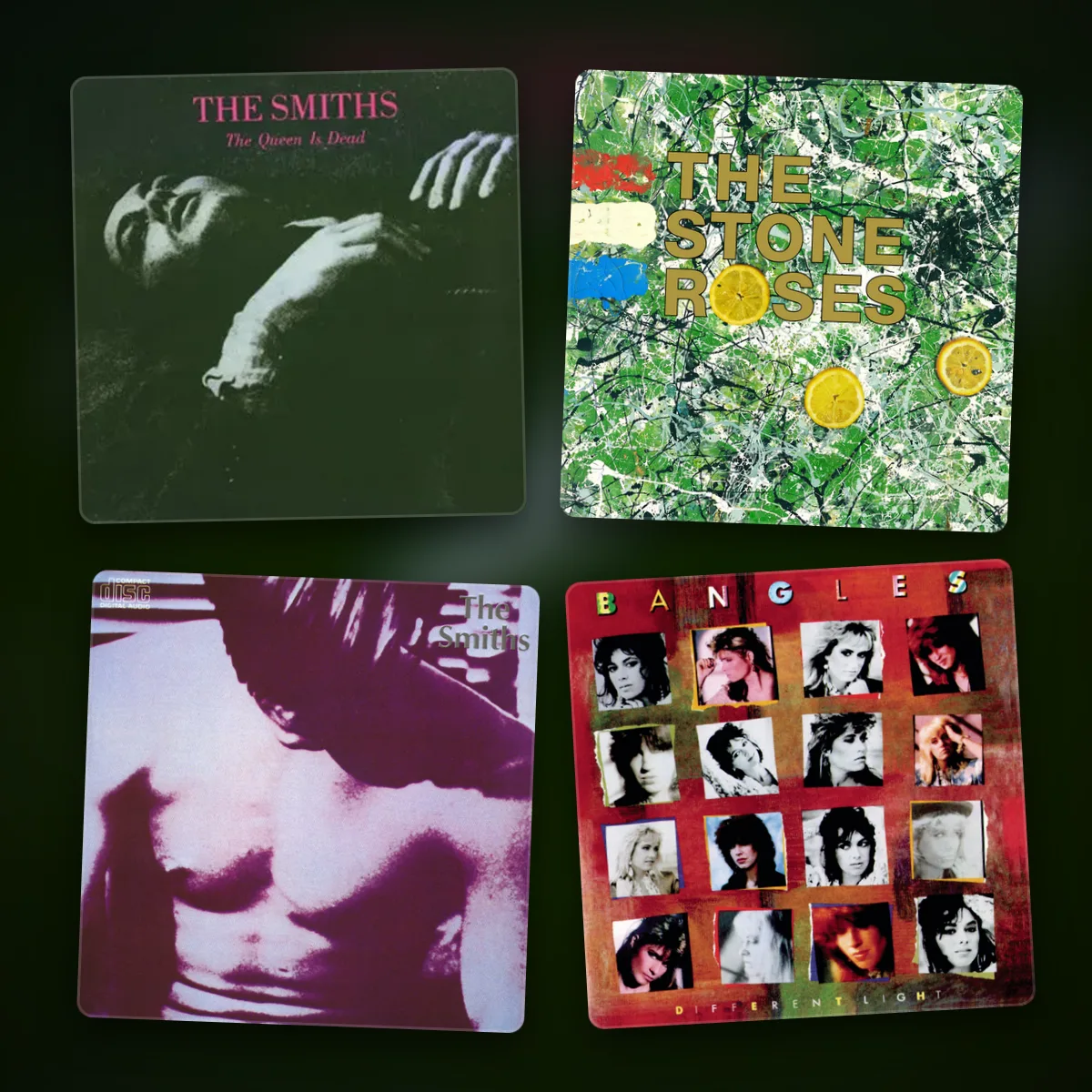
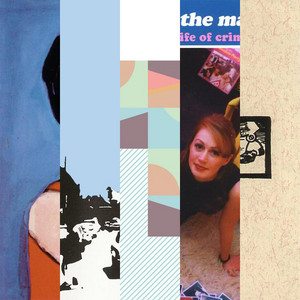
Top albums







Best playlists


Other similar genres
Genres sharing the most artists with Twee Indie Pop