Description
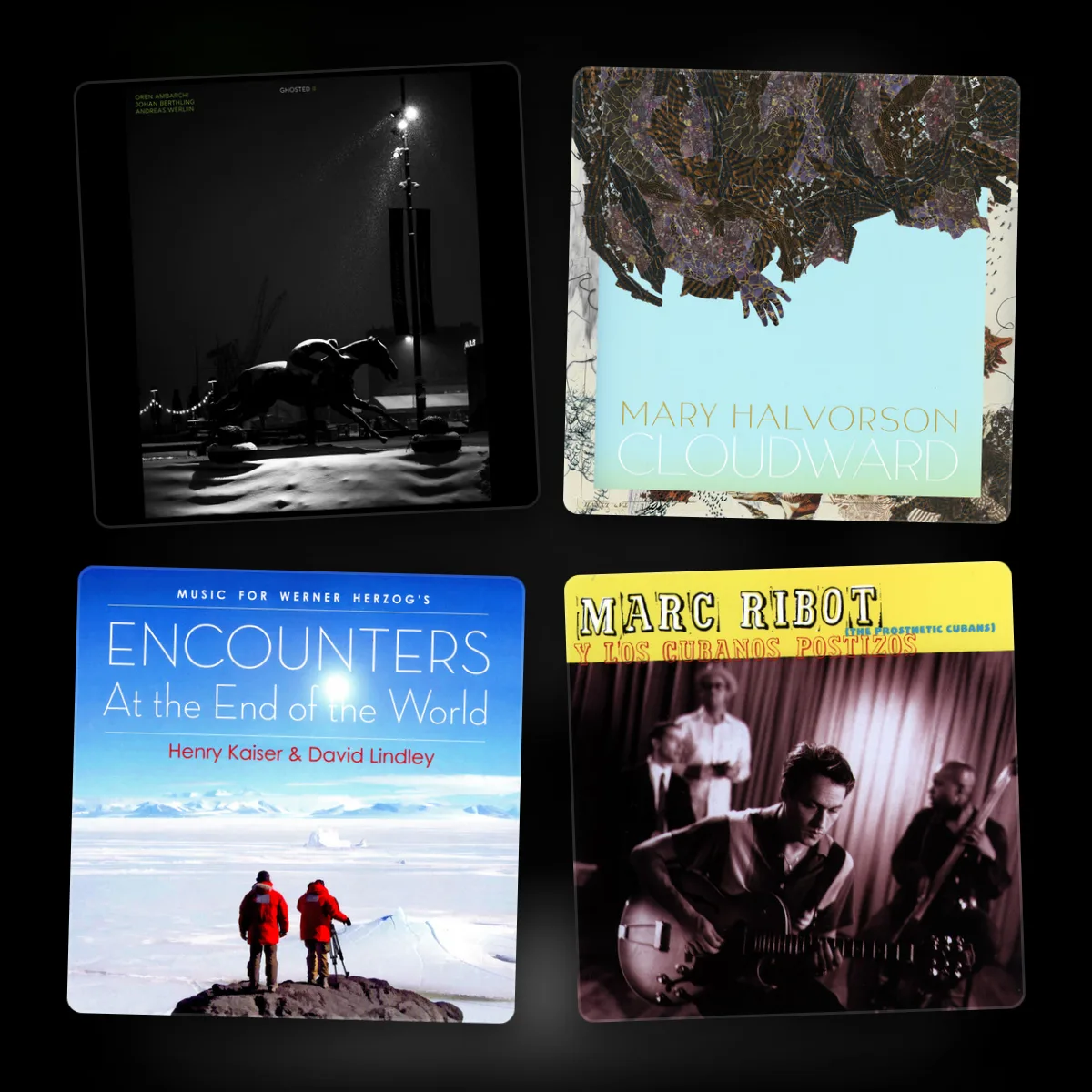
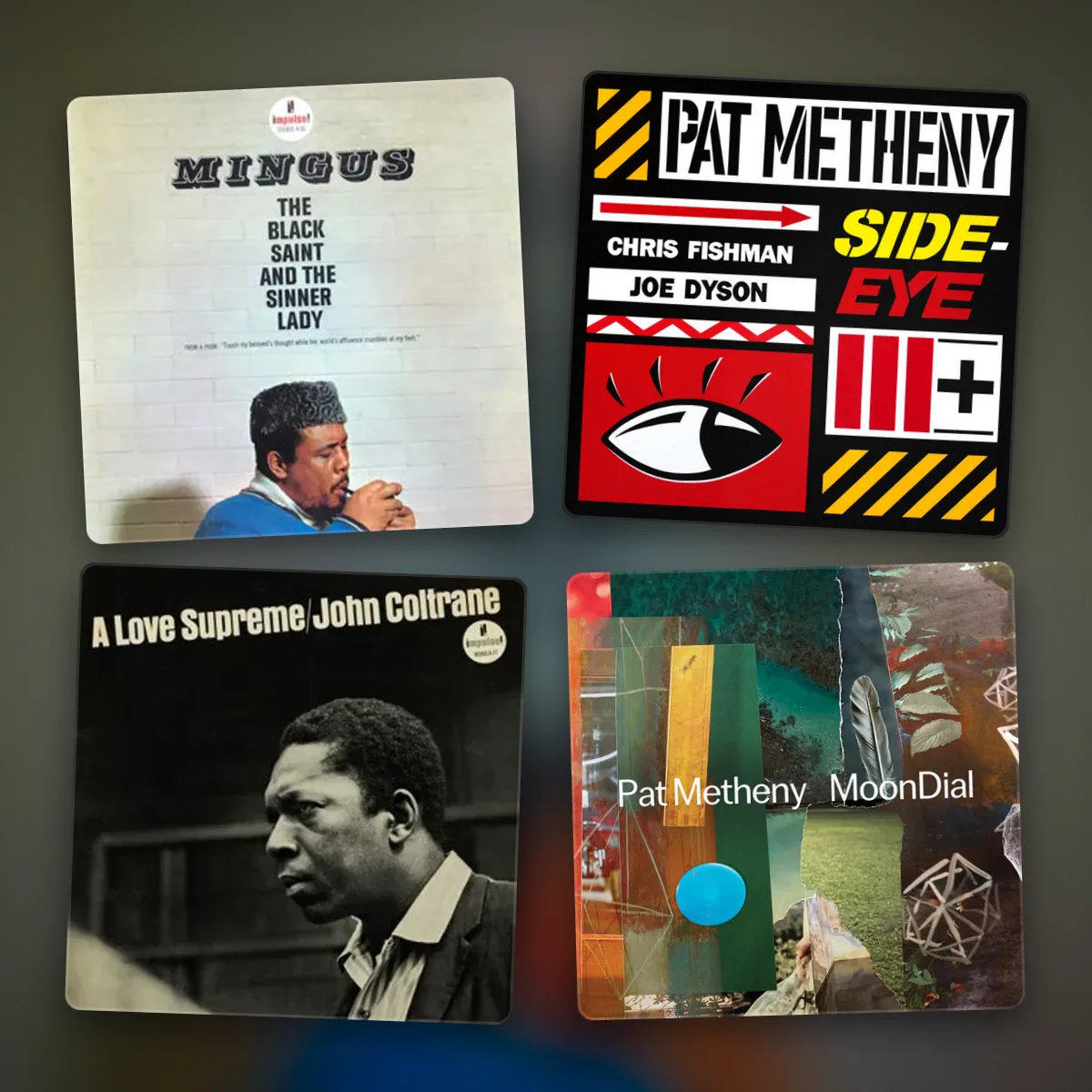
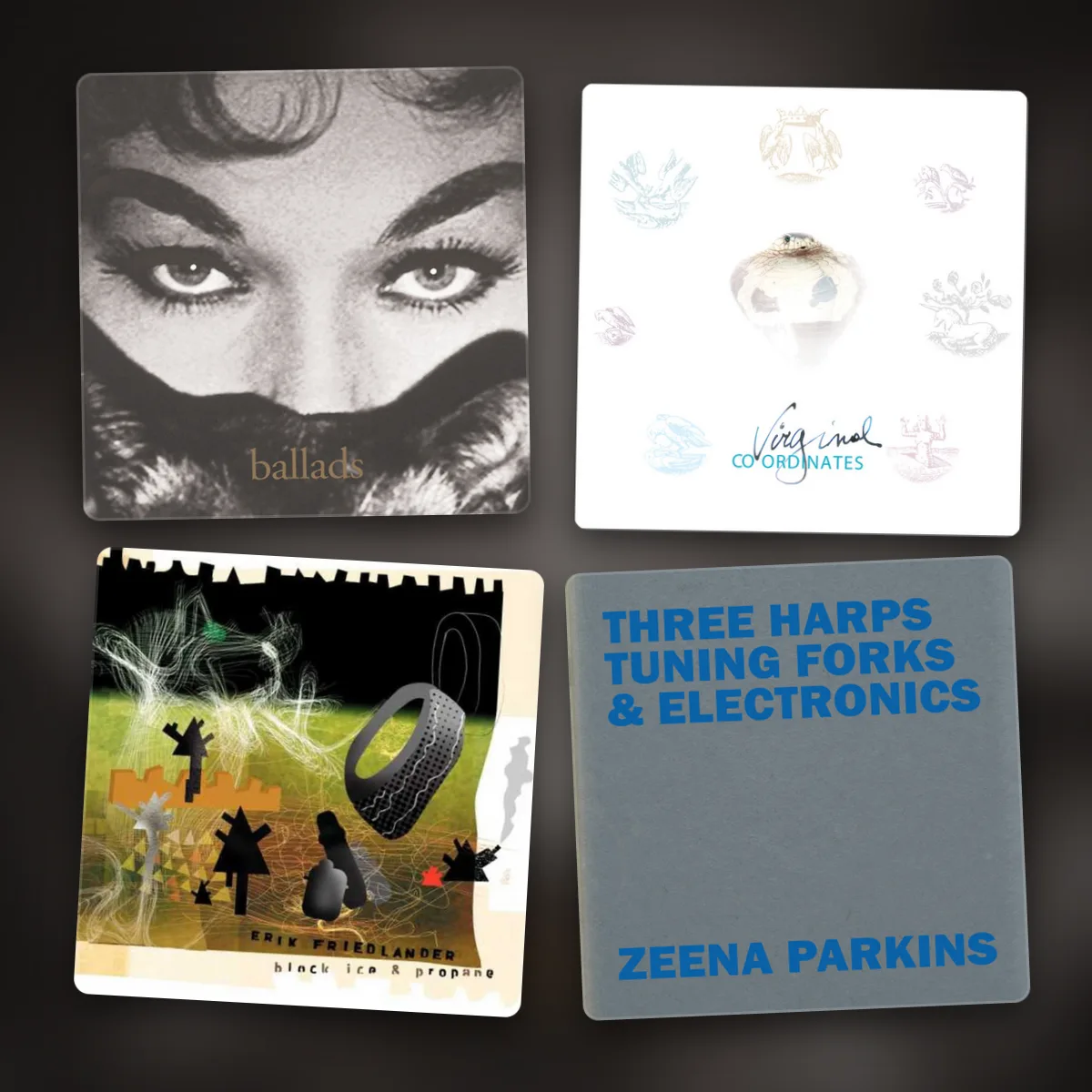
Tzadik encompasses instrumental music that can move from quiet electronic soundscapes to searching free jazz and composed chamber music. The term is used by Every Noise at Once and the Spotify playlist “The Sound of Tzadik”, though commentary on it is scarce. Much of the music has a contemplative, sometimes unsettled atmosphere, with passages that unfold freely rather than following a regular beat.
Piano and electric keyboards, sustained synthesizer tones, bowed and plucked strings, electric guitar and bass all figure in the palette. Some pieces leave space between isolated sounds; others layer shifting chords, arpeggios or dissonant lines. Percussion may be absent altogether or bring a more defined pulse. Recordings often use reverb, delay and a spacious stereo image, while some retain the close-up sounds of instruments being played.
The music sits close to free jazz, electroacoustic music and contemporary classical composition: improvisatory gestures meet processed sound, post-tonal harmony and carefully shaped instrumental textures. Titles range across several languages, including English, French, Italian and Japanese, reflecting a varied selection rather than a single vocal tradition.
Based on: Every Noise at Once, Spotify's genre tags and playlist

TZADIK - Secrets of the Hebrew Letters
shivimpanim
Choose a sound world
Start with a small instrumental palette: piano or electric keyboard, guitar, bowed or plucked strings, or sustained synthesizer tones. In an electroacoustic approach, combine performed sounds with processing, using reverb or delay to give individual gestures room to resonate.
Shape the movement
Let phrases breathe, with pauses and an unhurried, flexible pulse. For a free jazz approach, build an ensemble passage from responsive, loosely coordinated gestures rather than a fixed chord sequence. A more rhythmic piece can introduce bass and percussion without losing the space around the instruments.
Develop harmony and texture
Draw on contemporary classical music for chromatic or post-tonal writing, balancing dissonant clusters with quieter, simpler intervals. Try repeating or shifting keyboard arpeggios beneath a sustained drone, or leave a melody fragmented and open-ended. Keep the production spacious, while allowing the physical detail of the instruments to remain audible.

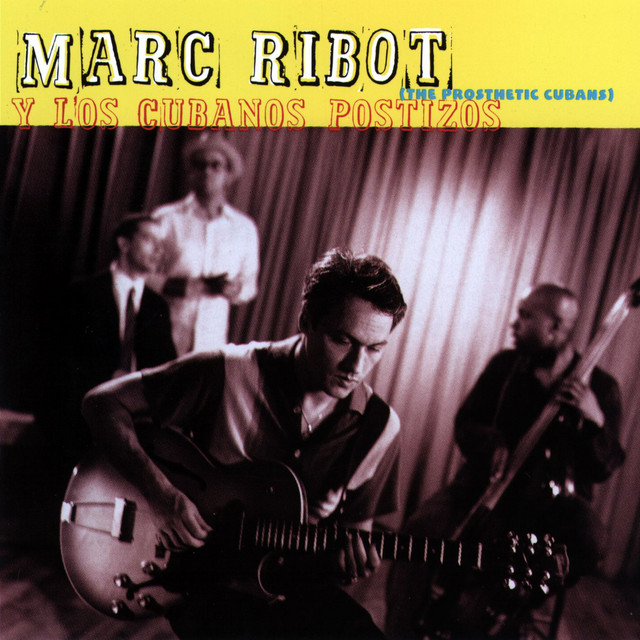
Top albums

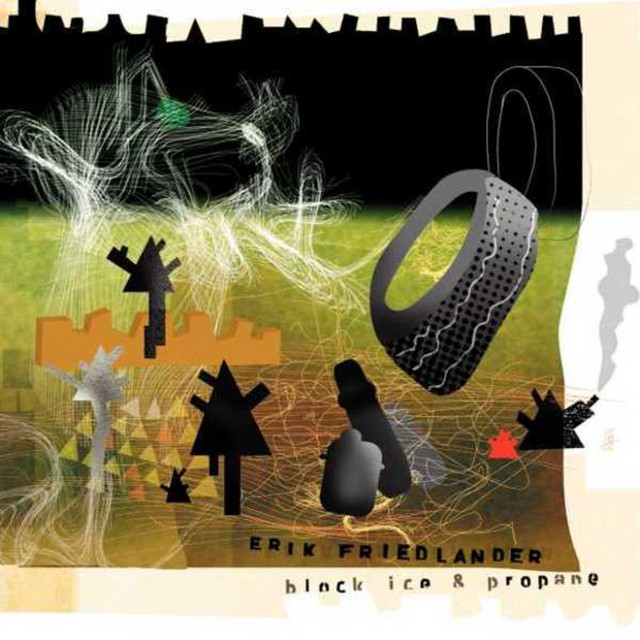
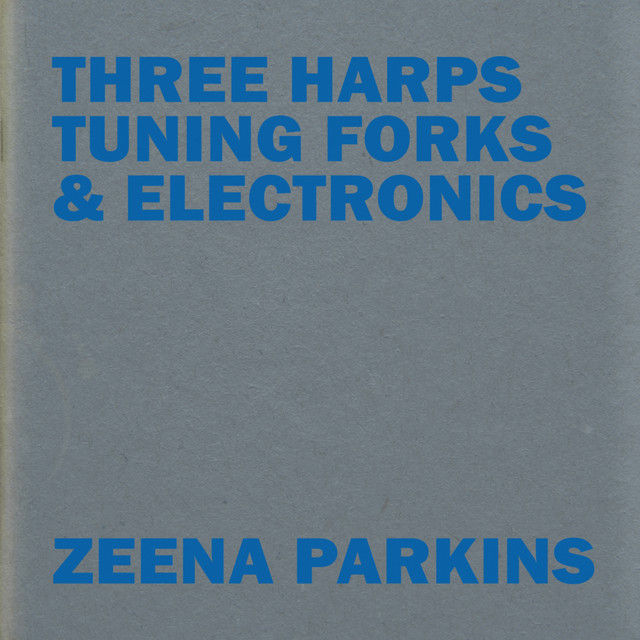

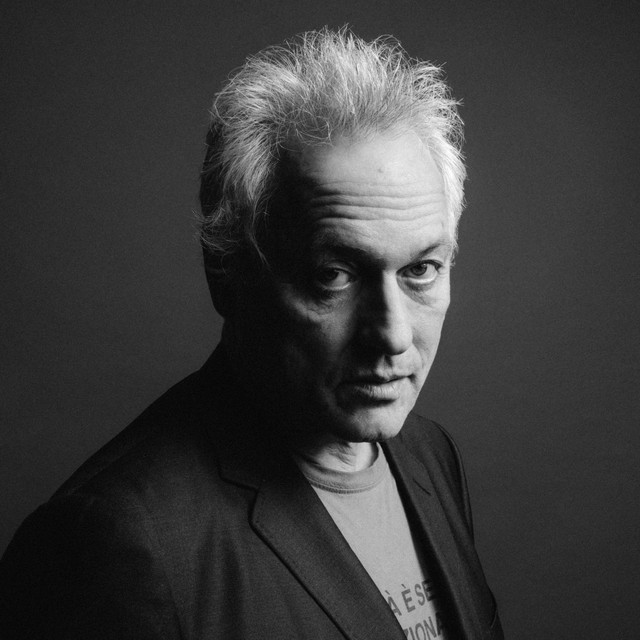

Best playlists

Influenced by


Other similar genres
Genres sharing the most artists with Tzadik