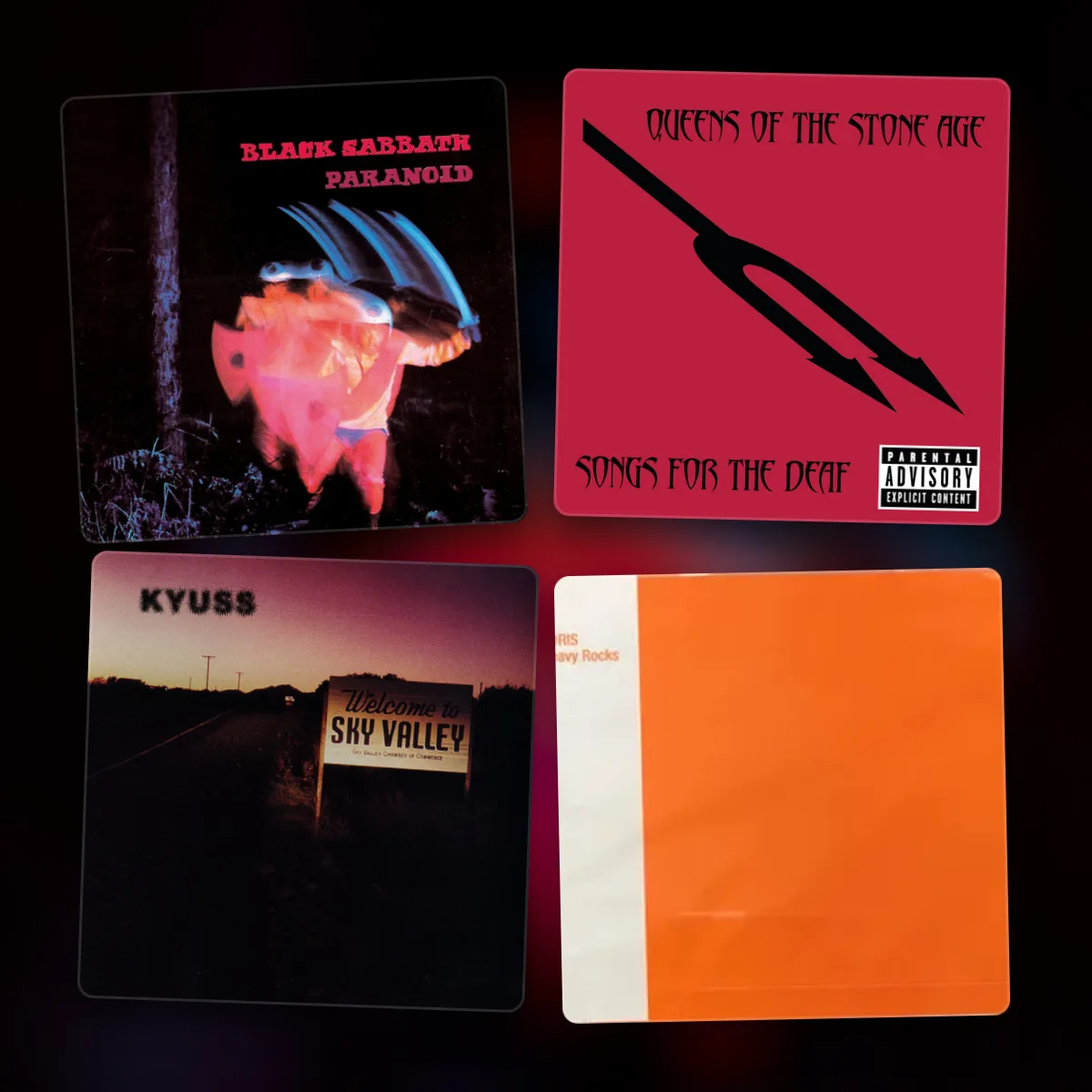
Description
Heavy, distorted guitars and bass give UK doom metal a dense, often dark sound, from crushing slow riffs to faster, driving heavy rock and metal. The term groups UK artists under doom metal; it is used by Every Noise at Once, Spotify’s genre labels and The Sound of UK Doom Metal playlist, but has scant written commentary.
Much of the music leans on low, dissonant power chords, thick fuzz and a wide, saturated mix. Drums can drag heavily behind the riff or push forward with forceful kick patterns, snare backbeats and crashing cymbals. Some pieces stretch distortion into sustained, near-motionless drone; others have a punchier, more polished attack. Vocals are not always present, but where they are, they can be high, gritty or dramatically melodic, with English lyrics in some songs.
The selection reaches across several related styles. Doom metal supplies the weight and foreboding of repeated riffs; sludge metal adds abrasion and aggression, while stoner metal brings a more melodic, psychedelic side. Drone metal emphasizes sustained sound over conventional momentum. Titles such as “Funeralopolis,” “Mortal Wound” and “The Black Mass” suggest an interest in ominous and macabre imagery, though the music can also turn inward, as on Warning’s “Footprints.”
Based on: Every Noise at Once, Spotify's genre tags and playlist
Build the weight
Start with a low, repeated electric-guitar riff and a heavily overdriven bass part. Use distorted power chords, dissonant intervals and sustained notes to create the tension associated with doom metal. For a sludge metal approach, make the guitar tone more abrasive and the rhythmic attack more aggressive; for stoner metal, give the riff a more melodic, psychedelic character.
Shape the movement
Try a slow, dragging drum groove with forceful snare hits and crashing cymbals, or use a faster beat that drops into a heavy half-time feel. For a drone metal passage, let amplified notes and feedback sustain instead of relying on a regular drum pattern.
Voice and production
Keep the mix broad and saturated, with guitars and bass forming a dense mass. If adding vocals, experiment with a high, strained or powerful melodic delivery; an instrumental arrangement can work too. Contrast raw fuzz and feedback with tighter, punchier production where the arrangement calls for it.

Top albums
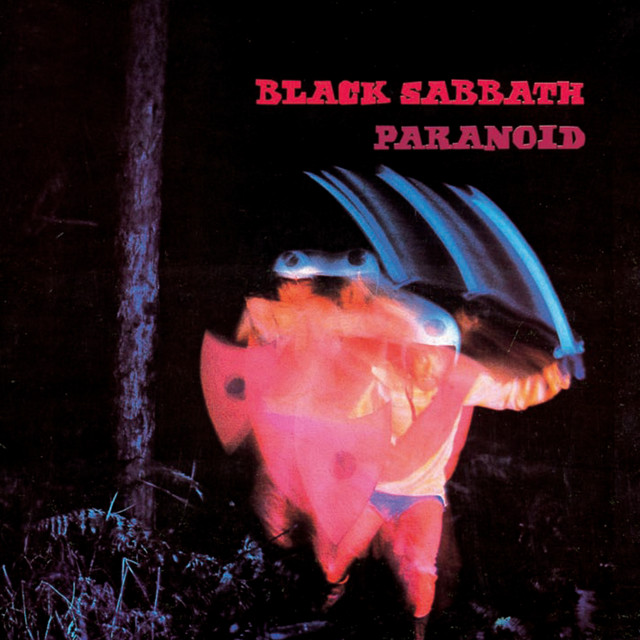
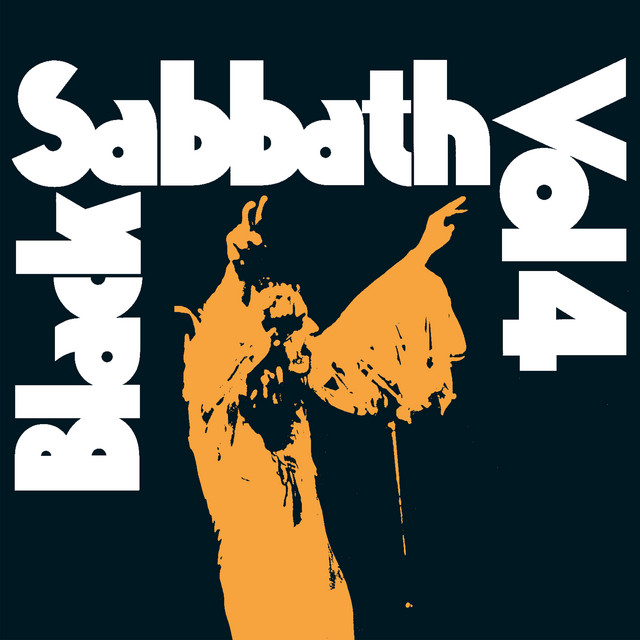
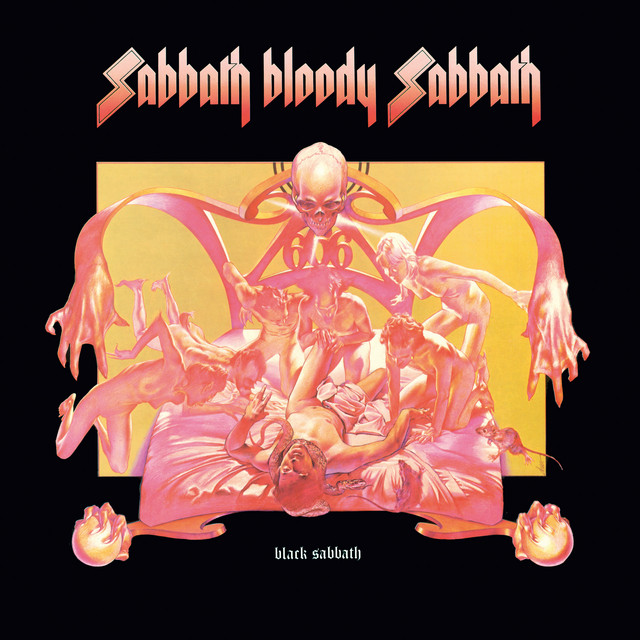
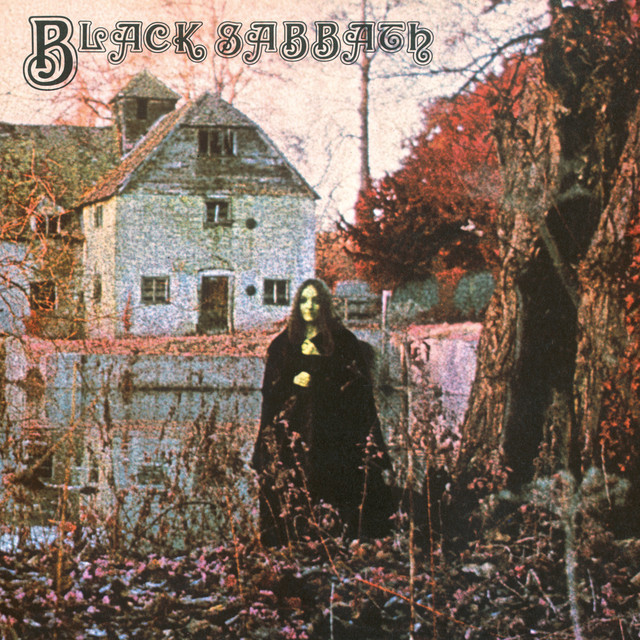





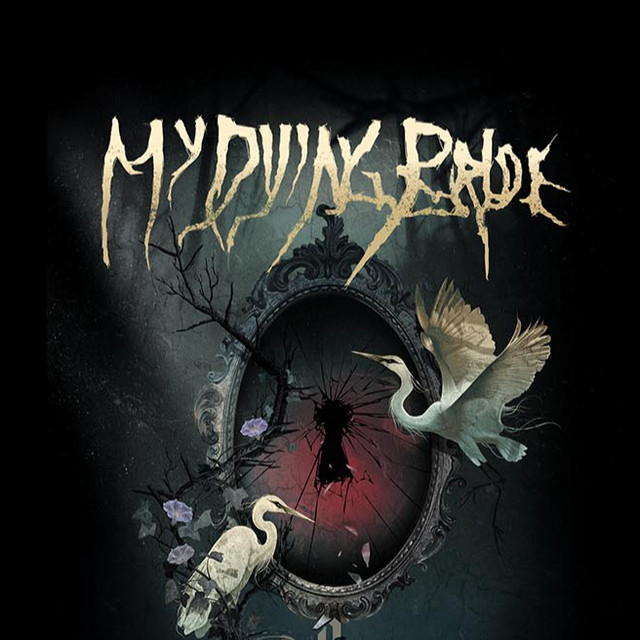
Best playlists


Influenced by



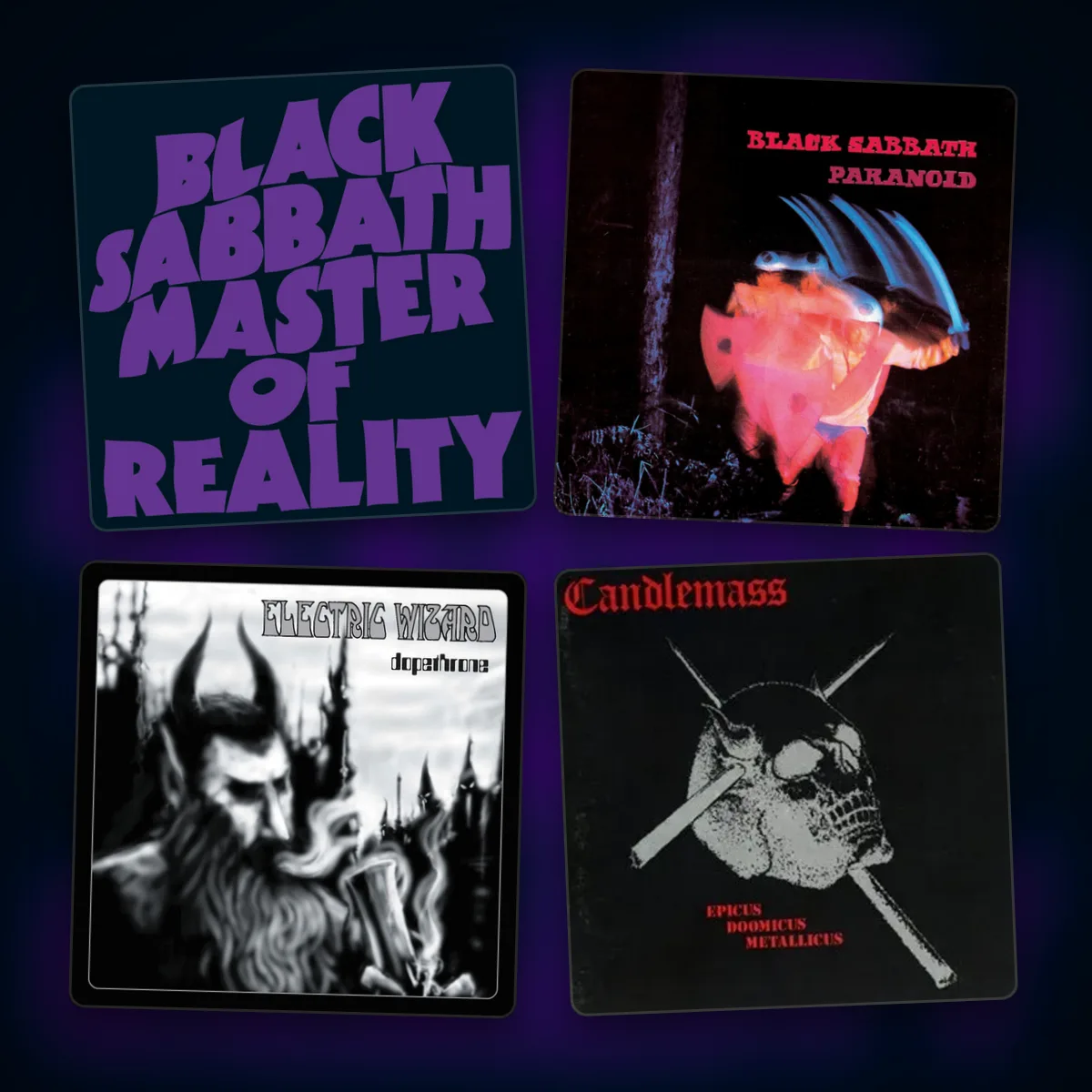
Other similar genres
Genres sharing the most artists with Uk Doom Metal