


Description
Uwielbienie brings together Polish-language devotional music, often slow and uplifting, with expressive lead singing and choral harmonies. The name is used by Every Noise at Once and The Sounds of Spotify’s playlist, though there is scant writing about it.
Much of the music takes the form of contemporary Christian pop and rock ballads. Piano, acoustic and electric guitars, bass, and sustained synthesizer or string textures support melodies that can rise into anthemic choruses. Some songs use a steady drum-kit backbeat; others move without percussion. The sound is often polished and spacious, with prominent reverberation, while some performances have a more natural room sound.
The mood tends toward reverence, reflection and encouragement. Choir-led devotional singing sits alongside the pop-rock ballads, and live performances are part of the selection. Titles refer to Jesus, psalms, praise and trust, suggesting a focus on Christian worship. Many of the releases represented are from the mid-to-late 2010s.
Based on: Every Noise at Once, Spotify's genre tags and playlist

#ChwałaMU [#14] - Modlitwa Uwielbienia | Głos Pana
Marcin Zieliński

KONCERT CZY UWIELBIENIE? MUZYKA DLA BOGA WG MICHAŁA KRÓLA #wiara #uwielbienie #chrześcijaństwo
PRZEmiana

Czym jest UWIELBIENIE?🔥
Abi Lopez Polska
Song and harmony
Start with a Polish-language devotional text and a clear, singable melody. Draw on contemporary christian music for a slow, steady ballad built around tonal chords, with a lift into a more expansive chorus.
Arrangement
Use piano or acoustic guitar as a foundation, adding bass and sustained synthesizer or string textures. Electric guitar can provide either gentle color or a stronger rock edge. A restrained drum-kit backbeat can give the song momentum, though a percussion-free arrangement can work too.
Voices and production
Place an expressive lead vocal at the center and bring in harmonies or a choir to broaden key passages. Give the voices and instruments room with reverb, aiming for a spacious sound without obscuring the words.

🎹 Niech będzie Chwała i Cześć i Uwielbienie - Piano Tutorial (łatwa wersja) 🎵 NUTY W OPISIE 🎼
Music Lessons by Darek

JAK LICZYĆ SZESNASTKI? 🤔 #muzyka #edukacja #nuty #pianino #teoriamuzyki #uwielbienie #rytm #metrum
Ścieżka Uwielbienia - Kiepuszewski Piotr

Tutorial do "Król Jezus" już dostępny na CSM/online! 🎵 #uwielbienie #tutorial
Misja CSM

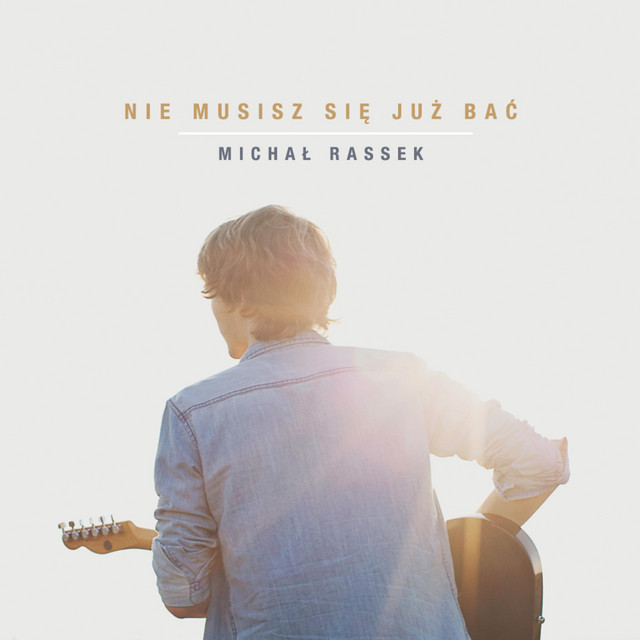
Top albums









Best playlists


Other similar genres
Genres sharing the most artists with Uwielbienie

