


Description
Uyghur pop is popular music rooted in Uyghur musical traditions and open to a wide range of international styles. Some songs draw on the folk repertoire, including its playful, rhyme-driven lyrics, while others incorporate melodic characteristics of muqam. Pop-style music is performed at weddings and in nightclubs.
Its influences extend from pop music associated with Uzbekistan and Turkey to flamenco, reggae, ballads, K-pop, jazz and rap. The result is not a single fixed sound, but a varied field of music in which local traditions and international pop practices meet. Uyghur pop can also be a vehicle for expression in the Uyghur language.
Based on: globalvoices.org, scholars.hkbu.edu.hk
More on: Every Noise at Once
History
Traditions and popular music
Uyghur pop is associated with the Uyghur people of northwest China. Its connections with older music include the use of folk-song material and muqam-derived melodic features. Musicians also move between pop and other musical styles.
Circulation and fusion
The borrowing and fusion of styles gathered pace with the arrival of cassette technology in the region in the 1990s. They accelerated further in the 2000s and 2010s as the internet helped recordings and videos circulate more quickly across borders.
Performance and cultural expression
Uyghur pop has provided a means of expression in the Uyghur language and can reflect attachments to place and experiences of displacement. Live concerts decreased sharply after 2014 and later appeared to have become almost nonexistent.
Begin with melody and words
Build a song around a clear vocal melody. For a connection to Uyghur folk repertoire, try playful lyrics with audible rhymes. You could also study the melodic characteristics of muqam and use them to shape a pop vocal line, rather than treating the traditional material as a separate section.
Choose a pop setting
Consider whether the song is intended for a wedding, a nightclub or a more reflective setting. Arrange the melody and words accordingly, keeping the vocal line easy to follow. As a general pop approach, you could develop a recurring refrain and contrast it with verses that carry the story.
Explore influences
Uyghur pop can bring together several musical traditions. You could experiment with textures or rhythmic ideas drawn from related styles such as reggae, jazz, rap or international pop, while letting the song’s melody and lyrics remain the focus. Treat these combinations as options rather than a fixed recipe.

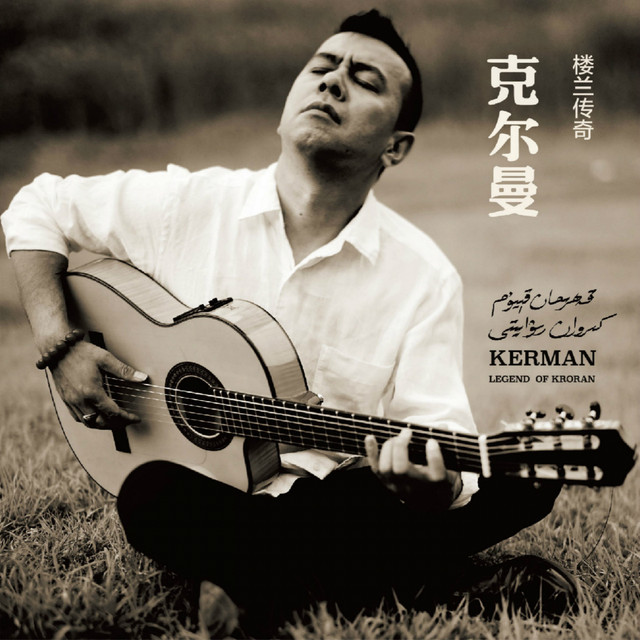
Top albums







Best playlists


Influenced by



Other similar genres
Genres sharing the most artists with Uyghur Pop


