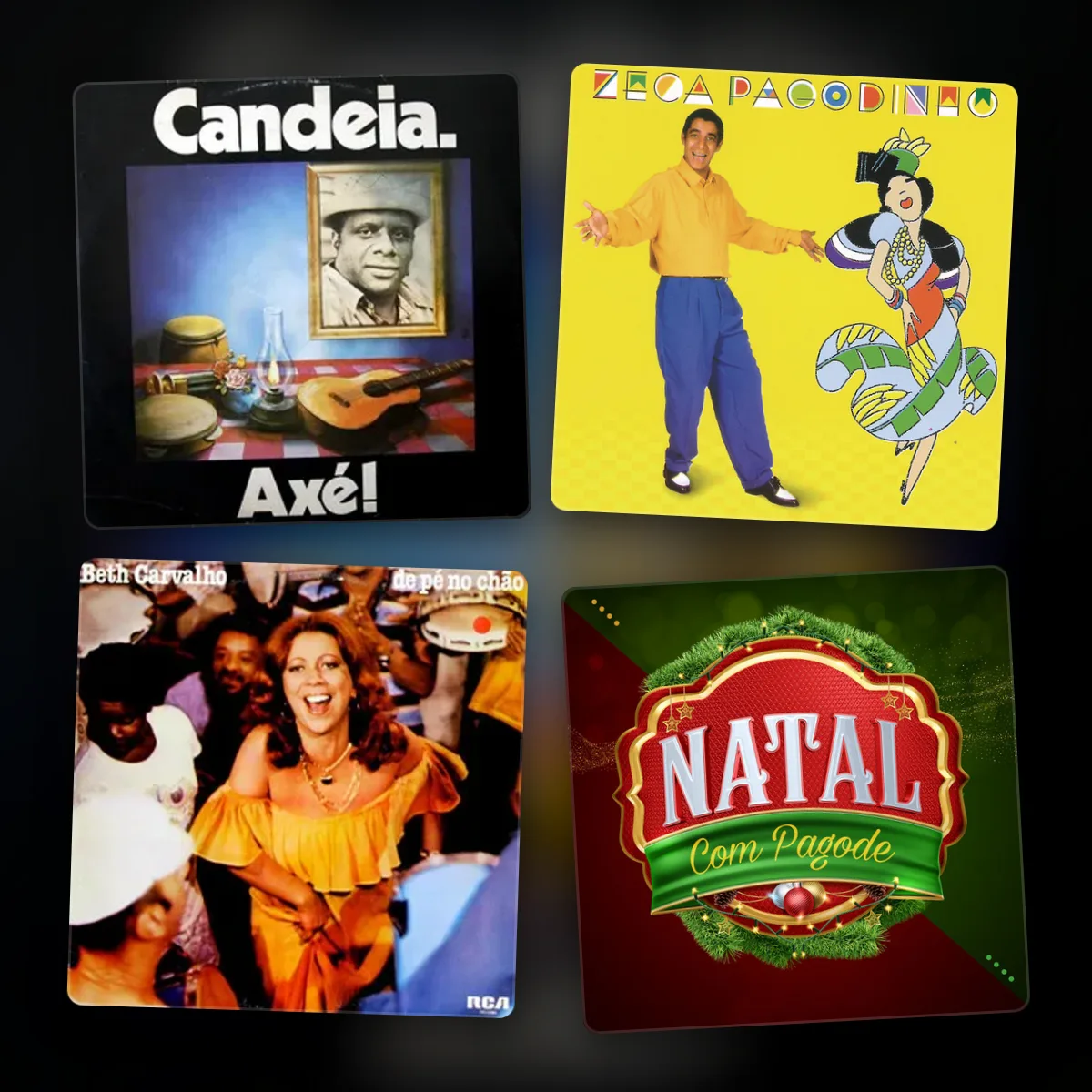
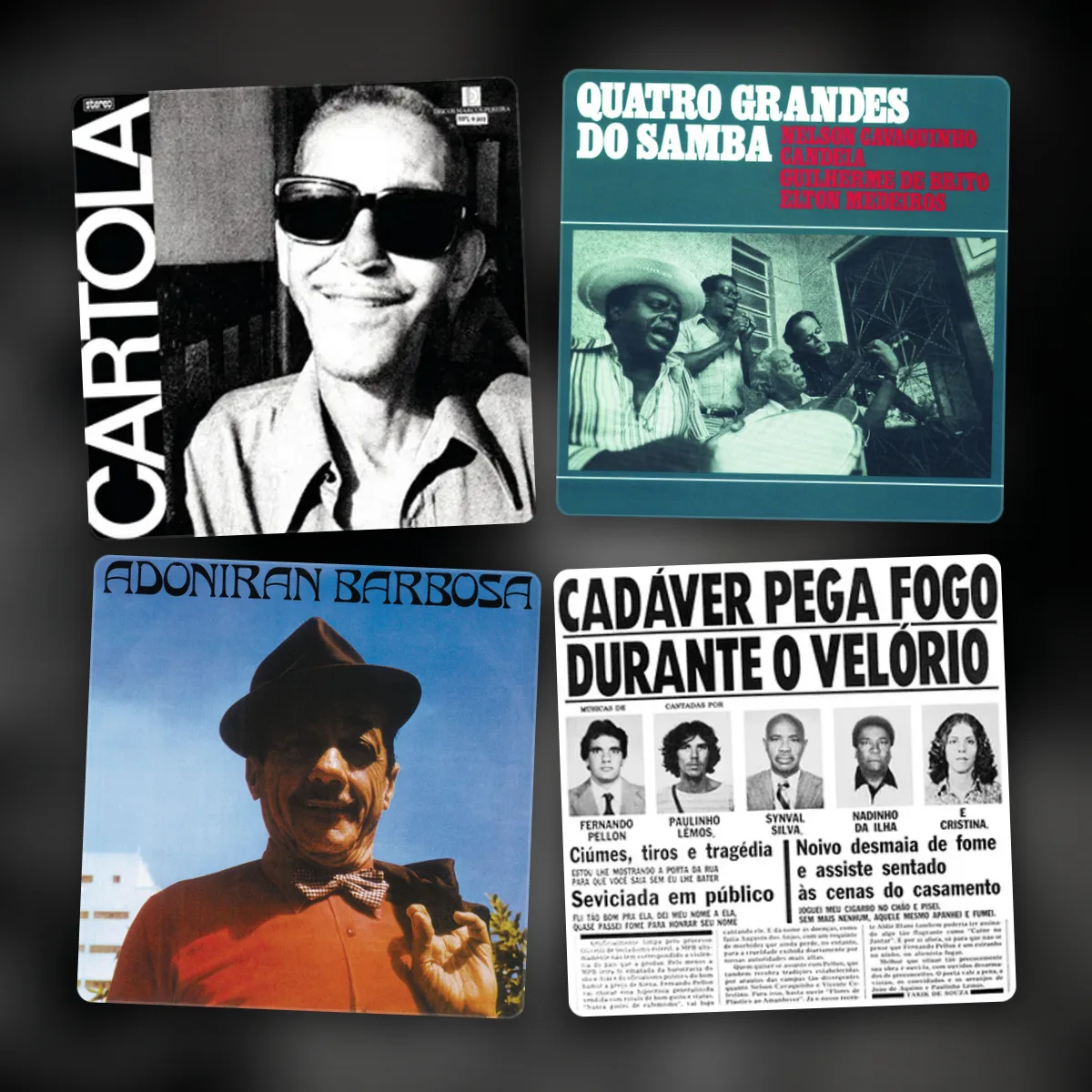
Description
Warm Portuguese-language voices, interlocking acoustic strings and a gently swaying, syncopated pulse give much of velha guarda its character. The name is listed by Every Noise at Once and Spotify’s “The Sound of Velha Guarda” playlist, though few written accounts describe the music. In Portuguese, velha guarda means “old guard.”
Samba is a central point of reference: guitar and bright, high-pitched cavaquinho lines weave around moving bass parts, while pandeiro, shakers and a low drum pulse give the music its lift. The singing is often expressive and conversational, with a lead voice brought forward in the mix and, sometimes, a chorus joining in. Flute can add a decorative line around the melody. The predominantly acoustic recordings range from grainy, vintage-sounding performances to clear, warm studio productions.
The music also sits close to seresta, with its serenading vocal style, and to the softer harmonies of bossa nova. Seventh chords and melodic bass runs give many arrangements color without obscuring their songful directness. Some performances feel festive and danceable; others are more reflective or nostalgic. Portuguese titles suggest themes of love, memories, carnival and everyday life, as in Ataulfo Alves’s “Meus tempos de criança,” Noel Rosa’s “Conversa de Botequim” and Dalva De Oliveira’s “Bandeira Branca.”
Based on: Every Noise at Once, Spotify's genre tags and playlist
Rhythm and arrangement
Start with a steady, syncopated samba pulse at a relaxed to moderately lively pace. Let nylon-string guitar and cavaquinho interlock rather than simply strum together. Add pandeiro and shaker, with a low drum marking a grounded two-beat pattern. Give the bass a melodic role, using occasional moving or chromatic lines to answer the voice.
Melody and voice
Write a clear Portuguese-language melody for an expressive, conversational lead singer. Take inspiration from the serenading character of seresta, and try a small group chorus on a refrain. A flute can supply a graceful countermelody between vocal phrases.
Harmony and sound
Use tonal chord changes enriched with sevenths and occasional secondary dominants; the gentler harmonic colors of bossa nova are another useful reference. Keep the acoustic instruments natural and the lead voice prominent, with a dry or lightly reverberant mix.

Top albums
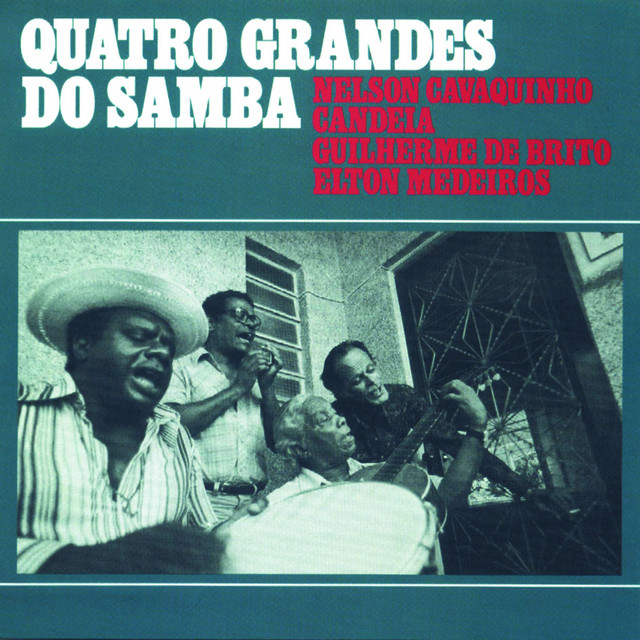
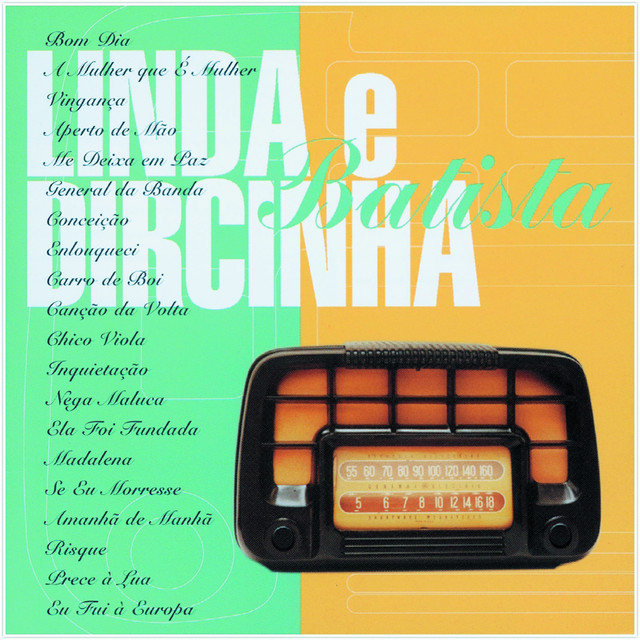

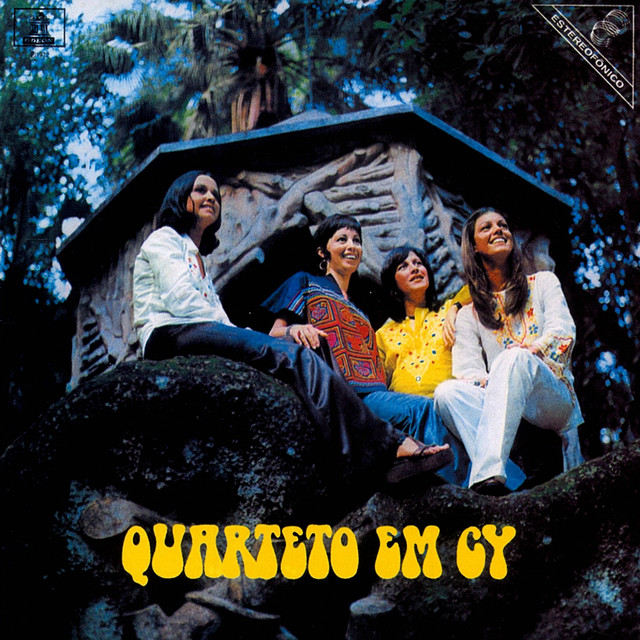
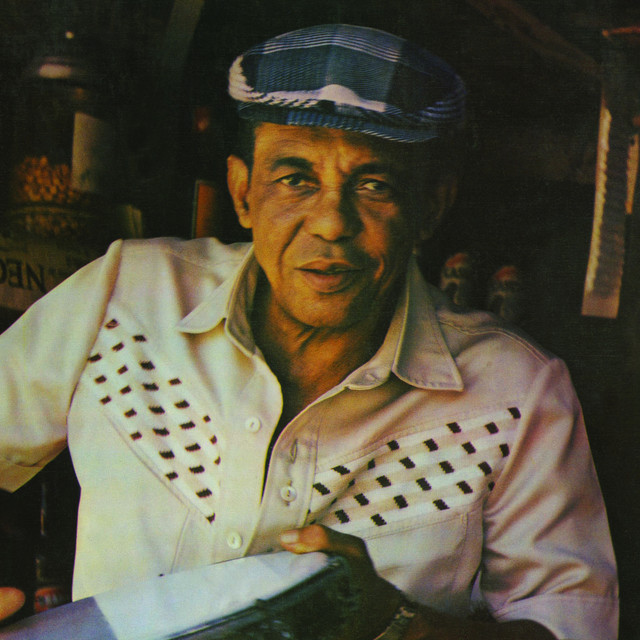
Best playlists


Influenced by


Other similar genres
Genres sharing the most artists with Velha Guarda