
Description
Venda rap brings relaxed, beat-driven rap and melodic singing together over deep electronic bass, crisp backbeats and repeating keyboard loops. The name comes from Every Noise at Once and Spotify’s “The Sound of Venda Rap” playlist, with scant written discussion to accompany it. The music tends to move at a steady mid-tempo pace, with polished production and a spacious wash of reverb or delay around voices and keys.
The playlist ranges from hip-hop and melodic trap to syncopated, dance-oriented songs. Rap tracks often use skittering hi-hats and heavy sub-bass, while other songs favor a bouncier groove and smooth singing. Pitch correction, backing harmonies and ad-libs are common, and vocalists may move between rhythmic verses and tuneful lines. Warm synth chords and atmospheric pads soften the programmed drums; repeating minor-key phrases can give the music a reflective or melancholy cast, though some tracks feel confident, affectionate or uplifting.
Its artists are also associated with afro soul and amapiano, neighboring styles that help frame its melodic vocals and danceable side. Many titles use languages other than English, and songs often mix English with another language. Much of the playlist’s music dates from the early 2020s.
Based on: Every Noise at Once, Spotify's genre tags and playlist
Beat and bass
Start with a laid-back, mid-tempo drum-machine groove. Put a crisp snare, clap or rimshot on the backbeat and give the track a deep, punchy electronic bass. For a trap-leaning version, add quick hi-hat rolls; for a more dance-oriented track, use a more syncopated percussion pattern.
Harmony and vocals
Loop a simple chord progression on electric piano or warm synth, and add a soft atmospheric pad. Try a minor-key progression for a reflective mood. Write rhythmic rap verses, melodic sung lines, or a combination of the two; layer harmonies and ad-libs, and experiment with audible pitch correction.
Production and style
Keep the mix clean and vocal-forward, using reverb and delay to create space around the lead and keys. Listen to the melodic warmth of afro soul and the dance grooves of amapiano as neighboring approaches, while keeping the bass and programmed drums central.

Top albums
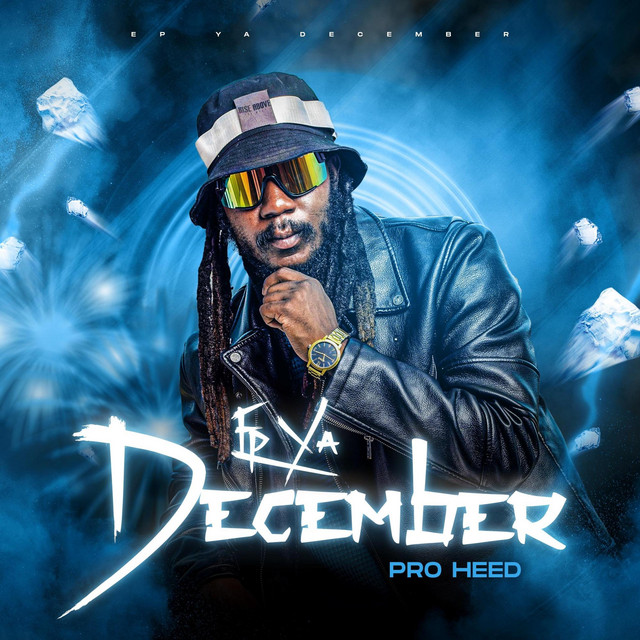




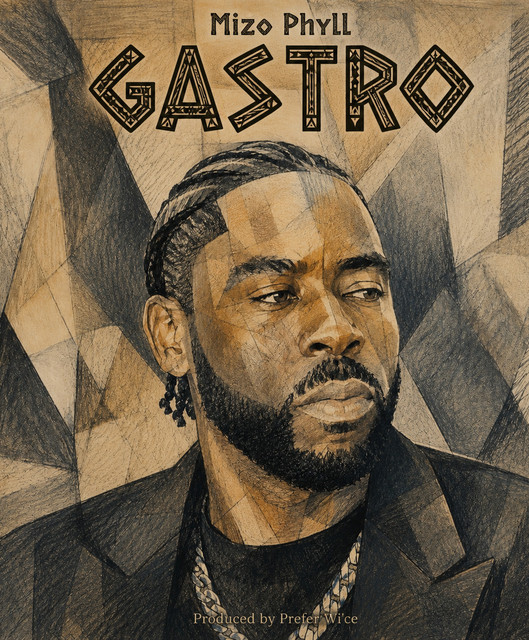




Best playlists




Other similar genres
Genres sharing the most artists with Venda Rap