


Description
Deep bass, offbeat chords and a relaxed but weighty drum pulse give virgin islands reggae much of its sound. The name is mapped by Every Noise at Once and used for Spotify’s playlist “The Sound of Virgin Islands Reggae,” though there is scant writing about it. Much of the music sits close to reggae and roots reggae, with serious, contemplative or defiant vocals set against grooves that remain easy-moving and danceable.
Electric bass and drums often underpin clipped guitar and piano or organ chords, while horns add short accents and fills. A one-drop rhythm, with emphasis on the third beat, is common. The harmony tends to cycle through simple progressions, often in a minor key, leaving room for a melodic, syncopated bassline and a prominent lead voice. Singers chant, toast and sing in English with Patois or Caribbean inflections; backing harmonies and call-and-response responses add depth. Reverb and delay give vocals and instruments space around the strong low end.
The selection also reaches into electronic dancehall and hip-hop-inflected rhythms, using drum machines, synth bass and synthesizers in place of some of the band instrumentation. Dub’s echoing studio effects are another point of contact. Titles such as “Haile I Selassie I,” “Most High” and “Blow Down Babylon” suggest spiritual and social concerns, while others, including “Give Thanks” and “Show Love,” point toward gratitude and community.
Based on: Every Noise at Once, Spotify's genre tags and playlist

Virgin Islands Inspired LoFi Roots Reggae 🌴 Chill Instrumental – Vol. 1
PrimataFari Reggae
Build the groove
Start with a slow, steady reggae or roots reggae pulse. Give the bass a deep, melodic, syncopated line, and use a one-drop drum pattern with kick and snare or rimshot emphasis on the third beat. Place short guitar, piano or organ chords on the offbeats.
Add voices and arrangement
Write a simple repeating chord progression, then leave space for an upfront vocal that moves between singing and rhythmic chanting or toasting. Try backing harmonies or call-and-response phrases, and add brief horn accents around the lead.
Shape the mix
Keep the low end prominent and the mix clear. Borrow from dub by sending selected vocal or instrumental phrases into delay and reverb. For a dancehall-oriented variation, replace some of the live-band parts with a drum machine, synth bass and keyboard stabs while keeping the groove spacious.

Top albums
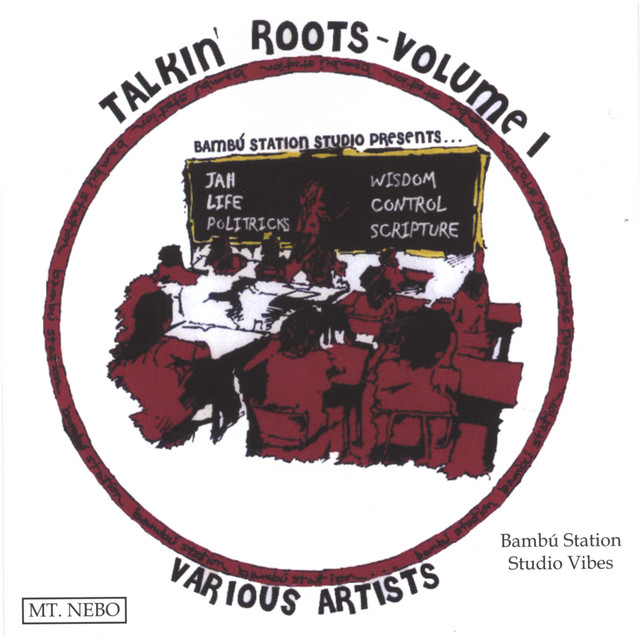
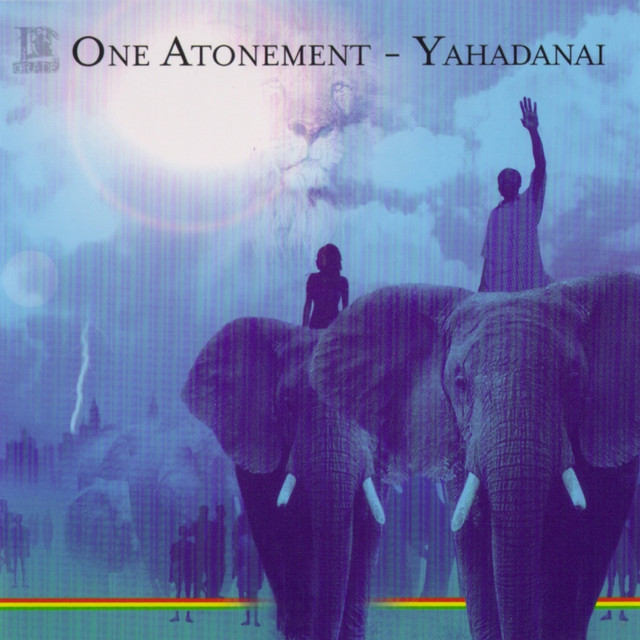
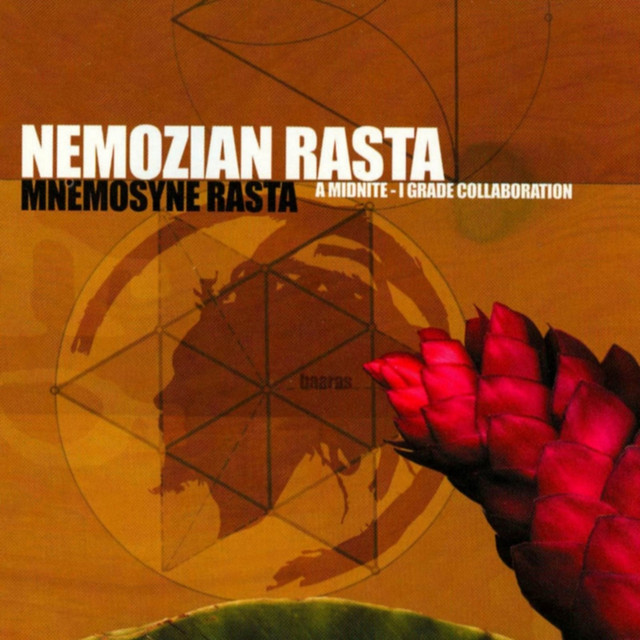



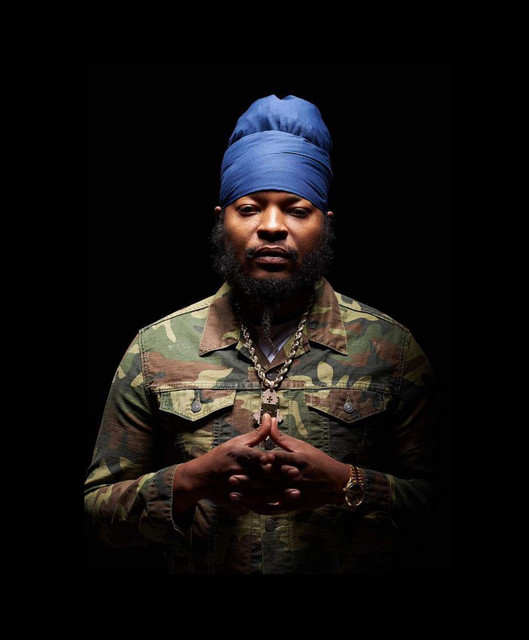

Best playlists



Influenced by


Other similar genres
Genres sharing the most artists with Virgin Islands Reggae


